At the The Waldniel Hostert School, a former school and Nazi Institute bears a tragic story and the ghosts of so many of the mentally disabled children that were murdered during the War.
Kent School, or as it was known back in the day, The Waldniel Institute was a school with a tragic backstory and is said to have left a haunted expression on the building.
When The Waldniel Hostert School was operating as a secondary school for children of military personnel it was a boarding school as well as a day school. The school was open from 1963 to 1986 and one of several schools operated by the Service Children’s Education organization, catering to the children of the British Armed Forces.
Read More: Check out all of the ghost stories from Germany
At its peak The Waldniel Hostert School housed over 6000 students at one point. The gothic appearance of the school made the British nicknamed Colditz after the war camp in East Germany.
From the students there were rumors about what had happened here before, as it was the site where the Nazis murdered countless of mentally disabled children as a part of their racial purification program.
And among the rumors, they started talking about seeing and hearing those unfortunate children in the form of ghosts, still lingering within the compound of their old school.
The Horror School
Before The Waldniel Hostert School was a school it was a monastery operated by monks since the 14th century.
The school was first a Franciscan priory called St. Josefsheim was built in 1913 by the Order of the Franciscans of the Holy Cross. Here they housed mentally handicapped children and around 600 mentally and physically disabled people lived in the monastery.
In 1937, it closed its doors and the last of the brothers left the house on 23rd May, and it would no longer be the safe haven for the disabled as it had been up to then.
From then on the The Waldniel Hostert School was operated by the Nazis. They called it The Waldniel Institute. The nationalists had a different philosophy about whose life was worth anything than the Franciscan monks had, and the mentally handicapped were far down on that list.
In 1939 there was a law that every disabled newborn had to be reported to the government. And during the war they put a race purification program to rid themselves of these children. The program ended up killing more than 200 000 people and St Josefsheim, now The Waldniel Institute, was not spared.
The Waldniel Institute was a place that was part of their child euthanasia programme and at least 30 children were murdered within its walls, and more than 500 patients were reported dying. The rest of the over 1000 people living there were transported to other institutions where many of them met their death as well.
After the war, the building was given back to the brotherhood, but they sold it to the Allies as they no longer could operate as they had used to.
The Waldniel Hostert School After the War
The Allies took over the country and The Waldniel Institute where these horrific crimes had been committed. They removed the traces of the program and turned it into a secondary school for their children that would end up being Kent School.
While they renovated the school they uncovered human remains of the patients who had died and were killed when the Nazis ran their institute.
There are many stories about the haunted stuff happening at the school. They say the children are heard weeping from the corridors where they wander restlessly, fearful of the horrendous end they met with.
At the end of the Cold War The Waldniel Hostert School closed its door for good in 1993 and handed the building back to the German authorities.
Today The Waldniel Hostert School is privately owned, but abandoned.
In the luxurious theater in Barcelona it is said that the former actress, Margarida Xirgu, that performed at the stage of Teatre Romea is haunting the place. Moving objects around in the lobby and being seen as strange shadows backstage, this actress has yet to have her last performance.
In 2018 there was a production of a show called La Familia Coleman at Teatre Romea in Barcelona, Spain. The company director came with her family in the early afternoon to visit the theater. They were in the sitting area and looking at the first floor when the daughter asked who the lady on the stage was. The company director looked up to the stage, but there was no one there. It was another incident of the ghost haunting the old theater.
Read more: Check out all of our ghost stories from Spain
Spain has a long history of storytelling and theatrical performances, and the country is home to many haunted theaters. These theaters are said to be haunted by the ghosts of actors who have performed on their stages. This is the case of Teatre Romea, said to be haunted by the ghost of an actress that was sent in exile but returned after her death to the stage.
The Teatre Romea in Barcelona
Teatre Romea: The facade of the theatre from the street.
This theater is located in the El Raval neighborhood in Barcelona, Spain. The Teatre Romea was built in 1863 to represent productions in Catalan, one of the official languages spoken in Catalonia.
Performing in Catalan was actually forbidden from 1939 to 1945 during the Franco regime after the Spanish Civil War and the language that has declined over the years has been something the Catalonians have been fighting for. Today the language is something the people of Catalonia is especially proud of.
The Teatre Romea was made to be a luxury theater of high art and catered to the upper class with over 600 people can be seated to watch the performance on the brightly lit stage from the dark chairs. Many famous actors, actresses and playwrights got their moments on the stage, and some have thought to linger in the old theater even after their death.
The Ghost Haunting the Theater
People that have visited Teatre Romea have sometimes claimed to have seen shadows when no people are there, or even found electrical equipment messed with even though they knew very well they were plugged in.
On several occasions when they were about to film something, like when they tried to film the theater with a drone, the battery drained immediately twice, even if nothing was wrong with it.
They also tried to shoot a report of the backstage production in 2012 where the same thing happened, also twice. When they watched the interviews they managed to get on tape a series of noises and interferences that no one had heard while filming.
Strange Shadows Backstage
According to stage managers and the people working in the bar, there were strange noises that could be heard in the theater in the dead of night as well as these strange shadows in the empty corridors backstage. A piano is playing by itself when the theater is empty in the morning except from the administration as well as voices singing in the empty hallway, almost as if rehearsing for an oncoming play.
The Teatre Romea: The stage of The Teatre Romea in 1914. The stage itself as well as the backstage is thought to be haunted by the ghost of a former actress working there.
On All Saints Eve the safety staff refused to work during a time when the paranormal activity was at an all time high. Heavy palm trees in pots were seen moving by themselves in the theater lobby and in 2012 when the batteries were drained during the interview there was also a wastebasket that moved by itself up and down that was witnessed by two technicians.
The Ghost of a Famous Actress
One day in 1995 the child of one of the people working there claimed to have seen something strange in her bedroom. The three year old said there was a lady in a white dress and pink bow in her bedroom. Earlier that evening, the parents had made the rounds of the theater before going on and had felt chills after leaving the stage and felt something wasn’t right.
So when the daughter told about the lady, the next day working in the theater the parent didn’t feel at ease. When flipping through photographs of the stage famed actress Margarida Xirgu she posed in a white dress with a pink bow. Problem was, she had already been dead for decades.
The most popular theory is that the theater is haunted by someone who was close to the theater and many have speculated that the ghost haunting the place could be Margarida Xirgu. She was a famous actress in the early 1900s and used to perform at this theater as well as stages nationwide and in Latin America.
The Life and Death of Margarida Xirgu
She was born in 1888 and moved to Barcelona in 1896. She played her first character Blanca in the play Mar i Cel at this very theater and ended up being quite a successful actress after making an appearance on Teatre Romea numerous times.
During Franco’s dictatorship in Spain, she was forced into exile and had to live in America. She died in Maldonado in Uruguay in 1969. However in 1988 the Catalan government retrieved her remains and brought her back to bury her in Molins de Rei outside of Barcelona, were she was born.
Could it be that the once famous actress chose to return to the stage where she got her start in the afterlife, as she was banned from returning to her country in life? It is said she didn’t get to act as much as she wanted on this stage before being sent away, and many believe she returned to get more time on the stage. Now however, time is all she has.
Those believing that the theater is haunted feels like they don’t need further proof. What they now want is to prove that the ghost really is Margarita Xirgu and that she is still on stage on the Teatre Romea.
Explore the breathtaking Château de Bonaguil in south-western France. Take a journey through history as you uncover this majestic 12th century fortified castle where a Woman in White is said to haunt the castle every November.
Marvel at the majestic 12th-century fortress of Château de Bonaguil in Saint-Front-sur-Lémance in south-western France! Located near the Lot and Dordogne rivers, this spectacular castle is filled with tales and secrets of centuries past.
The name comes from bonne aiguille (good needle), referring to the pointy rock it is built upon. From its impressive architecture to the stunning views of its surrounding landscape, Château de Bonaguil offers an unforgettable adventure into history and culture.
Château de Bonaguil was first built in the 12th century by knight Arnaud de la Tour of Fumel, who later became Lord of Bonaguil. During the Hundred Years War, the Lords of Bonaguil sided with the English and was a location that saw a lot of battle as the castle was taken and retaken by the fighting sides.
The castle underwent renovations and reconstructions throughout its rich history – most notably, in the late 15th century by the House of Bérenger de Roquefeuil family, it was modified to become an impressive fortress with formidable defenses and it is one of the last fortified castles in France from the Middle Ages.
Over the last century, the castle’s many towers and bastions have been restored and reinforced, giving visitors a chance to experience the castle’s fascinating heritage firsthand.
Paranormal Investigation of the Haunted Castle
The castle is old, has a bloody history as well as being riddled in centuries of ghost stories and legends. Haunted rumors were so many that a paranormal team once went to do a thorough investigation. People have reported about a burning sensation as well as pressures on their shoulders and temperature drops.
They have also reported strange sounds around the castle grounds as well as there are photographs people mean captured the ghost on camera. Who can it be that is haunting the old castle?
Dame Blanche of Bonaguil
Château de Bonaguil is said to have its own unsettling paranormal story, in the form of the White Lady or the Dame Blanche in french. It is claimed that a ghostly figure appears both around the grounds of the castle, as well as wandering along its courts and galleries.
The story of Dame Blanche is plentiful in French folklore and as a sight in old castles especially. In French mythology or folklore, Dames Blanches were female spirits or supernatural beings, comparable to the Weiße Frauen of both Dutch and German mythology.
November Hauntings
Legend has it that there’s a mysterious white lady haunting the Château de Bonaguil known as the Dame Blanch or Dame de Bonaguil. She is thought to be the ghost of Marguerite de Fumel who spent much time in the Château de Bonaguil to fix it up and keep it.
For unknown reasons she is said to return in the middle of the night during November month to haunt the castle. Can it be that the castle she spent so much time on were looted and robbed during the French Revolution?
The Legend of Marguerite de Fumel
It is said that Dame Blanche once was a noble lady and daughter of Béranger de Roquefeuil, a cruel and vicious man that took great pleasure in executing people during the peasant rebellion.
Marguerite de Fumel was sick of her tyrant father and wished to run away with her lover. But her father set her up for marriage with a wealthy and old count. The legend goes that she fled tearfully from the castle never to be seen alive again, only as the ghost haunting the grounds.
We do know however that Marguerite de Fumel died in Paris after years of marriage in 1699. But the ghost story about the White Lady haunting the castle in November continues to persist.
The now abandoned school of San Ramón School in Agost has been left since the 90s and it is believed that it is haunted by its former students, eager to play with those that visits.
In the last years of the Franco regime, there was a school built on the outskirts of Agost in 1967, for mentally handicapped children and with disabilities of various degrees. It could accommodate between 250 to 300 children and was seemingly a wonderful place.
Read more: Check out all of our ghost stories from Spain
It had all the latest technology and techniques in education and had professional assistance, its own gym, theater, swimming pool, garden amongst other things. But for some reason it was closed down quickly and people started to wonder why.
The San Ramón School in Agost was in operation for a few years, and in the 90s it was abandoned, due to the new law that dictated the right of integration in education for students. That was how it was totally abandoned.
Currently the San Ramón School in Agost is in ruins and has become a frightening place, and a regular searching area for cacophonies and other paranormal phenomena. To this is added that it has a dark past of ill-treatment and deaths in strange circumstances. The most narrated is the one of a student who tried to escape from the school in search of her parents, and when running down the access road to Agost, she was accidentally hit by a car.
Another story that seems to be more legend than reality is that of another student who was locked in the basement during a fire, could not escape the flames and died. For all this past, there are those who say that their spirits still remain in the place.
Haunted legends and stories surrounding the San Ramón School
Now in ruins, the San Ramón School has gained a reputation as a fearsome place, attracting thrill-seekers and paranormal enthusiasts alike. Its eerie atmosphere, combined with its dark history of ill-treatment and deaths under mysterious circumstances, has spawned numerous chilling tales.
One of the most commonly recounted stories involves a student who attempted to runway from the San Ramón School in Agost to search for her parents that sent her there. When she reached the road though, she was struck by a passing car and died. According to this legend, this was the real reason the school had to shut down so abruptly.
Another haunting legend, though more likely to be fiction than fact, revolves around a student who was supposedly locked in the basement during a fire, unable to escape the engulfing flames, resulting in a tragic demise. These haunting tales have led many to believe that the spirits of those who suffered within the school’s walls still linger in the abandoned halls.
Playful Ghosts Haunting the Grounds
The haunted reputation of the San Ramón School has garnered attention from visitors and locals alike. Many have shared their testimonials, recounting spine-chilling encounters and the palpable sense of unease they experienced within the school’s dilapidated walls.
Some visitors have reported capturing strange anomalies in their photographs taken at San Ramón School in Agost, such as orbs or unexplained lights, further fueling the belief in the presence of supernatural entities.
Once a group of people came for a game of soft gun, when they suddenly encountered a person that wasn’t from his team, nor was he from the opponents. It was like the play drew out the spirits that lingered there, still ready to play.
There are also those that claim that they have heard children laughing and a voice whispering “Do you want to play?”
The enduring mystery of the former San Ramón School in Agost
The former San Ramón School in Agost remains shrouded in an enduring mystery. Its haunting history, combined with its dilapidated state, has created an atmosphere of intrigue and fear. Whether you believe in the supernatural or seek to uncover rational explanations, a visit to this forsaken place is sure to leave an indelible impression.
As preservation efforts continue and restoration plans take shape, the future of the San Ramón School holds the promise of both preserving its haunted past and embracing its potential for new beginnings.
Following her husband Marco Polo back to Venice from the Mongolian court, the princess never felt at home in this strange land. And today it is said the Mongolian Princess is still haunting the place, wishing for home.
Many of the places in Venice have rememberancing to their hero and legend, the merchant Marco Polo. He is most known for his travels to the silk route to the east where he released the book ‘The Travels of Marco Polo’. There he spent time at court at the powerful Kublai-Khan of Mongolia and Northern China in the late 1200s.
After several decades on his travels, he finally returned home to Venice where he was from. However, he didn’t return alone. One of the houses in Corte del Milion used to belong to him and he lived there with his wife he brought back from the east.
The Mongolian Princess Wife
According to the legend, Marco Polo married the daughter of Kublai-Khan’s and she followed her husband back to Venice, but never felt that the Venetians embraced her as their own.
Marco Polo’s wife was alone in a foreign country with a foreign customs and language. And then her husband disappeared as well when he was imprisoned.
The Mongolian Princess: Did Marco Polo marry one of the Khan’s daughters? According to the legend she followed him back to Venice, although she suffered a tragic fate and is supposedly haunting their former mansion.
In 1298, Marco Polo was imprisoned in Genoa for a period of time. He returned to Venice in 1295 with his wealth converted into gemstones. Venice was at war with the Republic of Genoa at that time. Marco Polo joined the war by equipping a galley with a trebuchet.
He spent several months in prison dictating his travels to a fellow inmate named Rustichello da Pisa. The detailed account, which included tales from China, was spread throughout Europe in manuscript form and became known as “The Travels of Marco Polo”. Marco Polo was released from captivity in August 1299 and returned to Venice, where his family had purchased a large palace.
According to this legend, the Mongolian Princess sister in law was jealous of her and lied to the princess and told that Marco Polo had died in prison. This was the last straw for Marco Polo’s wife as she was both alone and homesick and she ended up committing suicide. Some say she set her clothes on fire and jumped into the canal.
They say that she was a good singer, and to this day, you can sometimes hear a soft and sweet song, singing in her native language. If you pass through the Milion courtyard where Polo’s houses stood you may even spot a ghostly figure holding a small candle, looking back to her homeland in the east she never returned to.
Marco Polo’s Real Venetian Wife
If the legend is true or not is difficult to say, as little of his life is known or how much of his writings were actually true, and we know even less about his supposed Mongolian Princess wife from the east. Did she even exist?
We actually have documented that Marco Polo married a Venetian lady named Donata Badoer. They married after he got out from prison in 1300 and together they had three daughters together and were married for 24 years.
The Real Princess Kököchin Khatun
So where did the rumor about the Mongolian princess come from then? It is true that Marco Polo’s father and uncle were given a last mission before returning to Venice to escort the 17-year old Mongolian princess called Kököchin Khatun (阔阔真). They were chosen as escorts for her to her wedding where the Mongolian Princess was marrying a Persian ruler in the Mongol Empire.
In some version of the story, she had died when they arrived, and from there rumors about Marco Polo marrying her started. Did she even die though? They did set out from what is today Beijing in 1291, and started travelling. Most accounts tell about the Polo’s leaving her at the wedding in 1293 before continuing on their way back to Venice. In the meantime her would be husband had died though, and she married his son instead and died herself in 1296.
The Ghost of the Mongolian Princess in Venice
As the sun set over the picturesque canals of Venice, a soft breeze rustled through the ancient alleyways. In the heart of the city, the ghostly figure of the Mongolian Princess still roamed, her luminous presence illuminating the darkness. And so, as the Venetians ventured through the Milion courtyard, they would occasionally catch a glimpse of the spectral figure.
A huge theater was built on top of the old family house and is today known as Malibran Theatre. There has been excavation done that uncovered pieces of information about the time Marco Polo and his family lived there. If that included something relating to an Mongolian princess is unclear though.
The Ancient Ram Inn in England is said to be one of the most haunted places in the country as well as a quaint little resting place for travellers dating back centuries. Located in Gloucestershire, it is said to house the restless spirits of both witches, demons, ghosts and ghouls all gathered under the same roof.
The Ancient Ram Inn is a notoriously haunted building located in the small village of Wotton-Under-Edge, Gloucestershire. Dating back to 1145 to house the workers and slaves building the church nearby, this centuries old inn and former pub has been the focus of hauntings, poltergeists and strange occurrences throughout its mysterious history.
There are many stories told about why the place is so haunted, is it because it is built at the intersection of 2 Ley Lines? Because it is built on a Pagan burial ground? After all this time it is difficult to pinpoint to just one thing, but the haunted rumors and ghosts roaming inside of the walls keep piling up as the history of the building just keeps getting longer.
The History of the Ancient Ram Inn
The Ancient Ram Inn has a long history that dates back to 1145, and it is believed that the building was originally constructed on the site of a pagan burial ground according to the legends.
Read Also: Check out more ghost stories from Haunted Hotels around the world
During its 600 year lifespan, this inn has been home to several owners and been frequented by travelers, locals and untold numbers of supernatural beings. Once serving as a monastery and later as a pub, this building has seen much tragedy in its time.
Ancient Ram Inn: The old and historic building is said to house more than just travelling guests. People that have stayed there, visited when it was a pub as well as the owners claim that as many as 20 ghosts is haunting the building. //Source: Brian Robert Marshall / Ram Inn, Potters Pond, Wotton under Edge / CC BY-SA 2.0
Wotton-under-Edge, in Gloucestershire UK, is an ancient market town and one of the primary locations in which The Ancient Ram Inn still stands even after most of it is built anew. As part of the Cotswolds, Wotton-under-Edge has a long and storied history – having been mentioned in the Domesday Book of 1086!
Pagan Burial Ground and Ley Lines through the Ancient Ram Inn
Over the years many strange occurrences have occurred at The Ancient Ram Inn, stories of haunting and screaming in the night. Visitors have reported hearing children playing on the stairs while others have seen eerie shadows lurking in the corners. The room called the Men’s Kitchen is said to have been built on top of the pagan burial ground and the staircase is a place where people have claimed to have felt a push.
As with many haunted buildings in the UK, there are also talk about the Ancient Ram Inn being built on top of 2 ley lines, one of them coming directly from Stonehenge and the other from Glastonbury Tor. These types of lines are drawn between sites of spiritual importance like churches, burial grounds and the likes. Ley lines are thought by spiritualist to fuel paranormal sites like this one with some sort of energy.
The Owner Looking for Demonic Energy
One of the owners, John Humphries, who bought The Ancient Ram Inn in the late 1960s to save it from demolition after it closed down as a pub in 1968. Humphries was very interested in the haunted history of the Inn, or he certainly became a believer after staying there for many years. Already at the first day at his new home he claimed to have been thrown out from the bed by an unseen force.
This didn’t deter him from his mission though, and even when his wife and daughter left the place, he stayed on to preserve his life work.
He claimed to have found evidence that some were worshiping the Devil. He owned and lived in the building until his death in 2017 and many of the ghost stories comes from him when he run it as a guesthouse. Once he found the skeletal remains of children under the staircase he believed to have been stabbed with daggers and that they were actually ritual sacrifices.
The current owner, his daughter Caroline Humphries says that the place is now a haunting ground for paranormal investigators and that there is as many as 20 ghosts lingering in the little inn. With such a lengthy history, it’s no surprise that this mysterious inn continues to be surrounded by ghostly tales.
The Witch’s Room
One popular legend about The Ancient Ram Inn is the story about the supposed witch that was burned at the stake in the 1500s. The witch panic had taken England and she was fleeing from the mob that were after her to have her killed because of it.
Read more: Check out all of our stories concerning Witches
Many believe that it is the spirit of the woman that is haunting the place and people have claimed to have seen the ghost of a girl in the window, waving to the people passing by. According to the legend she was hiding in one of the rooms at the inn before getting caught and killed. Today the room is known as The Witch’s Room.
One detail about this legend though is that witches weren’t actually burned in England, they were hanged. So if there really was an alleged witch fleeing prosecution at the inn, her death would have been hanging, not burning.
There is also said that there is a black cat haunting the room, said to be the spirit of a 500 year old mummified cat John Humphries found in the wall. It is said they put animals in the walls as a sort of good luck charm.
The Incubus and Succubus at the Ancient Ram Inn
Although with a long story as an inn or a guesthouse, it seems to be a problem with the rooms and how private it is. People seem to not have a great night sleep and complain about succubus and incubus in several of the rooms at the Inn.
The latin word of Incubus means a nightmare induced by a demon. This is a female and male demon often said to seducing people in their sleep, disturbing them. There are parallels of this type of demon found in every religion and culture across the world. Today we often explain this type of demon as night terrors, or simply a disturbing erotic dream.
Humphries is said to have shared his bedroom at The Ancient Ram Inn with this type of demon until his death. This bedroom was called the Bishop’s Room and said to be one of the most haunted places in the inn.
The Incubus: In Mesopotamian history, dating back to 2400 BC, demons with incubus-like qualities were mentioned, such as Lilu, who disturbed and seduced women in their sleep. In Western Christian literature, Incubi were believed to engage in sexual relations with women to father children, as seen in the legend of Merlin, making it one of the earliest examples of demonic parentage. The Incubus is said to have been inspired by the feeling of sleep paralysis. Some authors speculate that rapists may have attributed the rapes of sleeping men and women to demons to escape punishment. // Source: The dream of Countess Marguerite of Flanders. Illustration after the ballet pantomime “Riccardo Cuor di Leone” by Salvatore Viganò.
The Bishop’s Inn
The room where most guests complained about in The Ancient Ram Inn something paranormal happening in there was in a room on the first floor called The Bishop’s Inn where as many as 9 ghosts are said to reside in. Even a roman centurion has been spotted riding his horse through the walls by some plumbers doing their work.
According to one story there once was a medium investigating the place and opened up the door. The medium was lifted off the floor and flung across the hallway, giving only bad energy from inside.
It is said that a ghost of a monk or in some versions, two, is haunting the place and that the ghost has scared more than one guest that fled in the night after being woken up.
By the door there have been more than one guests claiming to have seen a man that look like a shepherd with a dog. There have also been heard screams from a man that was murdered by someone casting his head into the fire.
Ghost Stories: The owners of the Inn has never shied away from the haunted rumours of the building. Here from the inside of the Ancient Ram Inn. There are several newspaper cuttings to be seen, mostly focusing on the various ghosts that reportedly inhabit the place. The owner was, it has been stated, yanked out of bed on his first night in residence by one of the incumbents wishing to make his or her presence known.//Source: Brian Robert Marshall / Ram Inn interior, Potter’s Pond, Wotton under Edge / CC BY-SA 2.0
The Innkeeper’s Daughter in the Attic
If you make your way up to the attic of The Ancient Ram Inn, it is said the room is filled with an intense feeling of sadness lingering in the old room that has become so unstable you can almost not walk all the way to the back because of the dangerous floor.
In the early 1500s, the innkeeper had a daughter working there with him at the inn. One night, she was lured up to the attic where she was killed. People that have been directly under the room have said to have heard the sound of something heavy being dragged over the floor.
There is also said to be a murdered woman named Elizabeth that were buried underneath the bar. She is often seen wandering the house together with all of her fellow spirits of the house.
The Ancient Ram Today
Today as the many years the Ancient Ram Inn has been operating, the Inn will house its ghosts for many years to come as well. After her father died, Caroline Humphries picked up her father’s legacy and continue to keep the old building standing and taking care of its spirits.
Step back in time and visit the historic Château de Blandy-les-Tours which is said to be one of the many haunted castles in France. It is said that the castle is especially busy on All Saint Day were the dead are walking the halls.
Nestled in the Loire Valley, France’s Château de Blandy-les-Tours is a true gem of history famous for its towers. Dating back to the 13th to 14th century, this castle is full of charm and allure, with intricate details and stunning architecture. Tour the grounds and explore its fascinating history to uncover its secrets with our guide.
The fortified Château de Blandy-les-Tours that stands today was a keep built for the Hundred Year War and was home to some of the most prominent families in France before it fell into obscurity for years.
Merovingian Necropolis Cemetery
Before it was a castle, it used to be a cemetery for one of the most powerful rulers of Europe during their time. Which maybe can help explain why Château de Blandy-les-Tours is considered to be one of France’s most haunted places.
The Merovingian dynasty was the ruling family of the Franks from the middle of the 5th century until 751. By 509 they had united all the Franks and northern Gaulish Romans under their rule The 7th-century Chronicle of Fredegar implies that the Merovingians were descended from a sea-beast called a quinotaur:
It is said that while Chlodio was staying at the seaside with his wife one summer, his wife went into the sea at midday to bathe, and a beast of Neptune rather like a Quinotaur found her. In the event she was made pregnant, either by the beast or by her husband, and she gave birth to a son called Merovech, from whom the kings of the Franks have subsequently been called Merovingians.
In the past, this tale was regarded as an authentic piece of Germanic mythology and was often taken as evidence that the Merovingian kingship was sacral and the royal dynasty of supernatural origin.
Exploring the Inside of the Château de Blandy-les-Tours
Visitors to the Château de Blandy-les-Tours can explore its vast corridors, halls, and chambers that they spent years restoring from 1992 to 2007 when they opened the Château for the public again. Wander through rooms filled with centuries-old artifacts and furniture that tell stories of past inhabitants where you can enjoy open-air cinema nights, circus shows and concerts.
Discover grand fireplaces decorating lush salons, wooden ceilings from the fifteenth century in its numerous bedrooms, as well as other hidden gems revealed by a team of archaeologists that have been working for years to restore the castle’s structure.
All Saint Day Haunting
All saints day is also known as All Hallows Day, a prelude to the modern Halloween we celebrate today. It’s a Christian day to celebrate and honor all the saints of the church and usually celebrated on November 1st. In France it is known as La Toussaint and usually flowers like chrysanthemums or wreaths are placed on tombs and graves.
All Saint Day Haunting: November 1st is All Saint Day and is supposedly when the Château de Blandy-les-Tours is most haunted if we are to believe local lore.
One of the château’s most interesting stories is that it may be haunted on this holy day. There have been reports of strange noises, shadows, and ghostly figure sightings throughout its history. Whether you believe in ghosts or not, this castle definitely has a mysterious and fascinating past!
This Château has a peculiar haunting as it isn’t necessarily connected to one specific ghost. It is said that on All Saint Day the hallways of the Château de Blandy-les-Tours are taken over by ghosts and spirits trapped inside. You can hear them screaming and rattling their chains the entire night.
The Murderous Ghost Lord
One ghost we have a certain amount of control over is the ghost of a feudal lord from the 10th or 11th century. He is said to walk around with a dagger wearing a bloody shroud walking from room to room in the Château de Blandy-les-Tours, perhaps looking for another victim as he was quite notorious for his crimes when he was alive? It is said that when he was alive, he used to be a murderer, and forever cursed to haunt his castle in his afterlife.
In the old Kilmainham Gaol in Dublin, there are still prisoners that never got out. Strange occurrences for those that have worked there, tells that the prison is haunted by the former inmates, and some of them are more dangerous than others.
Dublin, a city steeped in history and rich in tales of the past, boasts many sites that have witnessed significant events. One such place is Kilmainham Gaol, a foreboding structure of a prison with a chilling history that extends beyond its closure in 1924.
Although Europe’s largest unoccupied prison, Kilmainham Gaol has earned a reputation for its spectral inhabitants who continue to roam its corridors and cells.
A Notorious History of a Haunted Prison
Kilmainham Gaol, situated in County Dublin, has a storied past dating back over 200 years. Built in 1796, the prison initially housed criminals from various backgrounds, but it is most famously associated with its role during Ireland’s fight for independence. The gaol became a symbol of oppression, as many of Ireland’s most prominent political and revolutionary figures were incarcerated within its grim confines.
Read More: Check out all of the ghost stories from Ireland
The prison was really made to be a better place to serve time than in the old gaol, however, it soon faced the same problem: overcrowding. This led to disease, poor hygiene and there wasn’t even a proper separation between the men, women and children serving time.
Kilmainham Gaol: The old prison in Dublin was notorious for being overcrowded with horrible conditions for those serving time in the prison. The inmates that never escaped the bars are thought to be haunting the place to this day, and those visiting and working report on many strange experiences while inside of the gaol.
That meant those imprisoned for just stealing a loaf of bread because of hunger were thrown in with notorious murderers and rapist, and there was little to no help to avoid those that wanted to hurt you.
The cramped cells, imposing stone walls, and eerie silence that permeates the gaol today are chilling reminders of the past. Kilmainham Gaol’s significance lies not only in its role as a place of incarceration but also as a site of execution and public hangings that took place at its entrance.
The Haunting of Kilmainham Gaol
In 1960, the Kilmainham Gaol Restoration Committee was formed to preserve this historic site, but those involved in the restoration quickly found themselves entangled in paranormal phenomena. These eerie encounters have left a lasting impression on all who have attempted to breathe new life into the gaol’s history.
Governor Dan McGill, who resided in the old warden’s quarters while overseeing the restoration efforts, experienced one particularly chilling incident. One night, he was startled to see the lights in the old chapel suddenly turn on after he had just switched them off. Intrigued and unnerved, he ventured to the chapel, only to find it empty. Repeatedly turning off the lights and returning to his quarters, McGill was confused to see them inexplicably illuminate again when he peered out the window.
Other restoration workers shared equally spine-tingling experiences. One worker, tasked with renewing the Echoing Corridor, recounted hearing unexplained footsteps ascending the stone stairs and echoing through the hallway behind him. These eerie footsteps would cease, only to start again intermittently throughout the day.
Read More: Check out all of the Haunted Prisons around the world
In another instance, a worker heard approaching footsteps, but upon looking up, saw no one. The only evidence of a presence was an icy chill that enveloped the air. These spectral footsteps, reminiscent of a soldier’s brigade, were a recurring theme in the gaol’s unsettling history.
The Danger of the Ghost Haunting the Prison
There are not only vague signs of hauntings like a flickering light or the sound of footsteps that have been told in Kilmainham Gaol. In one instance, the supposed ghost turned violent:
One man claimed that while he was painting in the dungeon, he was thrown across the room and pinned to the wall by some kind of force he couldn’t see, nor touch. He struggled to get free and when he was able to escape he promised he would never return to that place ever again.
Haunted Prison: While most of the haunting that are reported on inside of the prison seems to be vague, calm and hurts no one, there are stories about a force lingering in the prison that are so powerful and violent that they have caused people harm.
Who are the ghosts haunting the prison, long after their time is served? There have been no particular names, but it is believed to be a crowd of those that used to serve time there, and perhaps never got out again.
Visit the Haunted Kilmainham Gaol
Kilmainham Gaol, with its chilling history and the lingering presence of restless spirits, remains a captivating and haunting site. Its role in the struggle for Irish independence has forever etched it into the annals of history, and the paranormal encounters reported during its restoration only add to its mystique.
Visitors to Kilmainham Gaol today can stand in the very places where Irish revolutionaries spent their final days, experience the eerie echoes of footsteps in echoing corridors, and perhaps even catch a glimpse of the spectral inhabitants who continue to call this imposing prison home.
After a young girl lost her life on the estate of Duckett’s Grove, her grieving mother cast a curse on the Duckett family. Now, the Banshee haunting the place can be heard shrieking in the dark, warning about tragedy and death for those that hear her.
Towering the serene Irish countryside in County Carlow, Duckett’s Grove stands as a hauntingly beautiful testament to the grand mansion that stood there, although now there are only ruins left to tell it.
However, beneath its grand façade of Duckett’s Grove lies a tale steeped in mystery and supernatural intrigue with a touch of old Irish folklore. Often touted as one of Ireland’s most haunted places, Duckett’s Grove continues to draw visitors seeking both historical insight and a brush with the paranormal.
Duckett’s Grove History
Duckett’s Grove, or Garrán Duckett in Irish, was originally constructed in the early 19th century by the Duckett family, prominent landowners in County Carlow. The family’s grand vision was brought to life by the architect Thomas A. Cobden, resulting in a Gothic Revival masterpiece. With its imposing turrets, intricate stonework, and enchanting gardens, the mansion quickly became a symbol of wealth and prestige.
Read More: Check out all of the Haunted Castles from around the world
The estate of Duckett’s Grove fell out from the Duckett family when the last Duckett living there disinherited her daughter she wasn’t on speaking terms with. It was managed by agents, local farmers and the Land Commission after this. During the War of Independence from 1919 to 1921 it was used by the local IRA.
Duckett’s Grove: The 19th-century great house and estate in County Carlow, Ireland. Once owned by the Duckett family, it was the centerpiece of a vast 12,000-acre estate and was prominent in the local landscape for over 200 years. Unfortunately, the interior of the house was ravaged by a significant fire in the 1930s, rendering it inaccessible. Today, the gardens, which include two interconnected walled gardens, are under the management of Carlow County Council and open to the public as a park.
One night, on 20th of April in 1933, Duckett’s Grove was destroyed by a fire. The cause of the fire was not determined, but locals reported about several fires that happened a week before, and they started to speculate what really happened that night.
Most of the well preserved interior is now lost and the skeleton of the house was used as a riding school until 2004. After the county took over, they refurbished the gardens and reopened it to the public in 2007 were people could come and enjoy the decaying romanticism of the abandoned estate.
The Irish Piseóg
The true allure of Duckett’s Grove, however, lies in its reputation as a paranormal hotspot and the supposed curse that looms over the grounds. Numerous reports of ghostly apparitions and eerie phenomena have shrouded the mansion in a mystique that continues to haunt visitors to this day.
Read More: Check out all of the ghost stories from Ireland
There is a story that tells of a secret lover of William Duckett who died after she fell from her horse as she was riding on the estate. Not much details are given, but something more mystical have happened because of what happened next. The girl’s mother was devastated and angry with the Duckett family and put a curse, or a Piseóg, on the family.
Piseóg is the Irish term for the supernatural and also includes spells, charms and curses. This particular Piseóg resulted in a Banshee haunting the place from then on.
The Curse of the Banshee
The Banshee is an Irish entity from folklore that takes the form of a female wailing spirit. It is said that if you hear a banshee cry you will soon suffer the death of a beloved.
According to lore she has long streaming hair and wears a gray cloak over a green dress, and her eyes are red from continual weeping. There are also those claiming the Banshee is dressed in white with red hair and a ghastly complexion.
The Banshee: People have depicted the Banshee as many things, everything from a beautiful fairy like woman to a monster. Here from the book Bunworth Banshee, Fairy Legends and Traditions of the South of Ireland by Thomas Crofton Croker, 1825
It is said you can hear the shrieks of the Banshee over Duckett’s Grove for two days and nights and those that hear it will soon experience suffering and tragedy.
There are many reports about people being affected by The Banshee. Once a garden worker of Duckett’s Grove saw the figure of a woman drop dead in the garden and heard the shriek of a banshee. The next morning he found his mother dead. Another time it was a woman passing the estate that claimed to have heard her cries. In a matter of days, the woman died.
The spirit of the young mistress and the tale of the curse of the banshee keep coming up from time to time, especially after the terrible fire that burnt the estate to the ground without a good reason, almost like the place itself was cursed.
The Paranormal Enigma
The Banshee is not the only ghost said to roam on the large estate. Duckett family members like William Duckett are also said to be one of the ghosts lurking in the shadows or riding his horse over the fields of Duckett’s Grove.
William Duckett was the one that in 1830 transformed the modest two storey house to the mansion it became. After the destructive fire it drove him from his eternal slumber, angry at the ruins of his life work.
There are also talks about strange lights coming from the ruins of Duckett’s Grove as well as unexplained noises, the sound of cutlery and servants coming from the ruins as well as a demonic dog with red eyes terrorizing the area.
The Irish Ghosts Haunting the Estate
Its picturesque ruins and gardens serve as a testament to Ireland’s architectural heritage, providing a glimpse into the lives of those who once called Duckett’s Grove home. Each stone wall and crumbling archway holds the echoes of centuries past, whispering secrets that have long been forgotten.
As visitors stroll through the enchanting gardens, they may catch a glimpse of the spirits that are said to still wander the grounds. Legends tell of ghostly apparitions, mysterious sounds, and strange occurrences that defy explanation. From the Lady in White, who is said to grace the gardens with her ethereal presence, to the restless spirits of long-departed inhabitants, the paranormal tales of Duckett’s Grove continue to captivate the imagination of all who venture within its borders.
Whether you are drawn to the ghostly tales that shroud Duckett’s Grove or simply wish to immerse yourself in its timeless beauty, a visit to this enigmatic place promises an unforgettable experience. Prepare to be transported back in time, where history and the supernatural intertwine, and the allure of Ireland’s past comes alive before your eyes.
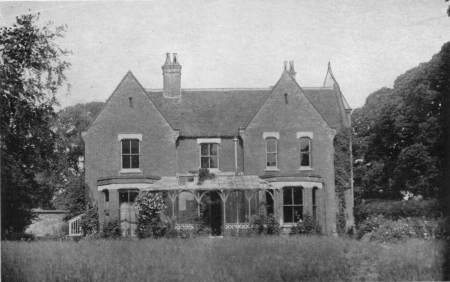
Tucked away in a remote corner of Suffolk lies a building with a sinister past – Borley Rectory. For centuries it had ghostly tales of nuns and headless horsemen in the night, but how much of it was true and how much was a hoax?
Borley Rectory, located in a remote corner of Suffolk, has long been shrouded in mystery and speculation of the paranormal kind. It even used to be described as the most haunted house in England, and that is saying something.
Rumors of hauntings in the large Gothic-style rectory have swirled around the property since its construction in 1862, but to this day no one can say for sure what lies beneath – are the stories simply urban legends, or is something even more sinister at work?
A Closer Look at the History of Borley Rectory
Borley Rectory was constructed in 1862 by Reverend Henry Bull, who served as Rector of the church of St. Mary between 1862 and 1892.
During this time, many paranormal occurrences were reported by members of the Bull family and visitors to the property, including sightings of phantom figures, unexplained noises and strange lights in the surrounding woods. The case remains unsolved to this day, with experts and amateurs alike still trying to uncover its secrets.
The Headless Horsemen
One of the things people claimed to have seen was the headless horsemen over four decades on various occasions, pulling a phantom coach. This was also the thing the wife of Reverend Smith saw when she later would call the Daily Mirror and get an investigation going in 1929.
The Death Coach: The “Death Coach,” a prominent figure in the folklore of Northwestern Europe, particularly in Ireland. The death coach is typically described as a black carriage, driven or led by a headless horseman known as the Dullahan. The appearance or sound of the death coach is believed to be an ominous sign, foretelling imminent death either for the observer or a close relative.
The Paranormal Activity in the Borley Rectory
Long before 1929 and the investigation that would follow, the rectory had been talked about as haunted for years. Paranormal activity was reported frequently in and around the Borley Rectory all the way back in 1863. Witnesses described mysterious footsteps, disembodied voices, and unexplainable lights in the surrounding woods.
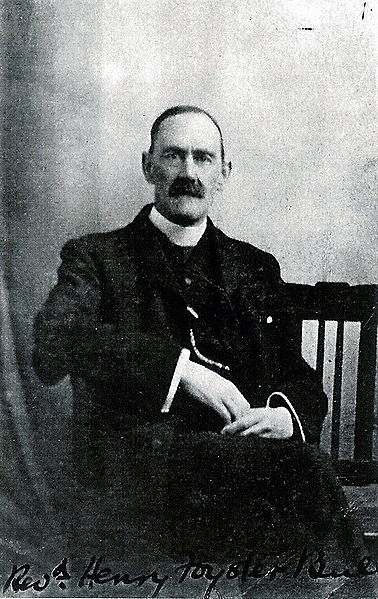
The Bull Family: The Rectory used to belong to the Bull family that told countless of ghost stories about the place over the years. This image is photograph of Reverend Henry Dawson Ellis Bull made before 1892
Others even claimed to have seen supernatural figures wandering around the rectory grounds. These reports were collected by investigators that visited the location over the years, creating an intriguing mystery that maintains its fascination today.
The Legend of the Monk and Nun
Before Reverend Smith and his wife moved into the rectory, the Bull family lived there for decades. On July the 28th, 1900, the 4 daughters of the rector claimed to have seen a ghost of a nun in the twilight, just outside of the house. They tried to talk to her, but when they got closer, the spirit seemed to just disappear.
So called ghost historians talk about a legend from the Benedictine monastery that according to legend was built around 1362. One monk allegedly had a relationship with a nun from the convent not far from the monastery.
Their affair was apparently discovered and the monk was executed and the nun was bricked up in the convent walls.
The Ghost of the Nun: One of the more enduring legends from the Borley Rectory was that it was haunted by a nun. Something that the children from the Bull family told about, as well a different mediums that held a seance at the place.
There was also once conducted a planchette seance in London about the spirits in the Rectory held by the medium Helen Glanville in 1938. She told that she had made contact with a young nun named Marie Lairre. She was a French nun that left her order in France to follow a man, a member of the Waldegrave family and owner of the Rectory in the 17th century.
She never got that far though and she was murdered inside of the house. Her body was buried in the cellar, or perhaps even thrown in a well that wasn’t in use anymore. She had tried to write on the walls for help from the afterlife to try to get the people to find her body.
The Skull at Borley Rectory
Fast forwarding to when Reverend Smith and his wife moved into the rectory in 1927, the wife soon started getting suspicious that something wasn’t quite right. Once she was cleaning the cupboard and came across a brown paper bag. When she peered inside, she found the skull of a young woman, and this is when things really started to take off.
The servant bell would go off, despite not being connected, there were lights in the windows and she kept hearing footsteps and this phantom coach carried by horses at night.
She got in contact with the Society for Psychical Research through the Daily Mirror, and they then sent a reporter writing about all the strange things that were happening in the rectory.
Paranormal Investigation of Price
Harry Price was a celebrated investigator who visited Borley Rectory in 1929 and really made the haunted house famous for the country as his accounts were printed in the Daily Mirror. He was attempting to uncover the truth of the supernatural phenomenons.
Harry Price
During his time there, Price recorded his experiences, noting mysterious phenomena such as cold spots in certain areas of the rectory and inexplicable noises. There were also things like a vase and other objects being thrown and mysterious spirit messages that were being tapped out on the mirror.
According to Mrs Smith, all of these haunted phenomena stopped as soon as Harry Price left the rectory, and she suspected it was him that was behind all the hauntings.
When Price published the study by the Society for Psychical Research, he rejected most of the rumors that people had reported on, however, most ghost historians discredit this report and books and TV are continuing to be intrigued by the story of the Borley Rectory.
The Exorcisms and Poltergeist Activity
The Smiths left in 1929 and Reverend Foyster moved into the rectory with his wife, Marianne and their adopted daughter, Adelaide.
Reverend Foyster wrote in 1930, a detailed report to Harry Price about the strange things they had experienced while living there. The bell ringing the Smiths had heard continued, the windows shattered and there were stones and bottles thrown by no one.
Marianne Foyster even reported to her husband that something had even thrown her out from her bed.
Reverend Foyster tried twice to repel the hauntings by exorcisms, but it didn’t go so well. In one of the exorcisms he was even hit by a stone in the shoulder.
After they moved out from the rectory in 1935, people speculated on what was going on in the house. Most blamed Marianne to be the mastermind behind the hauntings, and even though she blamed her husband and psychic researchers that came by to investigate, she later came forward with shocking news.
She had an affair with one of their lodgers called Frank Pearless, and she had used the paranormal rumors to cover up her lies and deceits. She also had a habit of making her friends fake hauntings to prank her husband. But everything? Marianne claimed not, and said that she really did believe some of the hauntings had been something real, although most could have been the wind.
The Borley Rectory Report
Harry Price couldn’t let the Borley Rectory be and rented the place in 1937. He let 48 observers stay in the house for longer periods of time and interviewed them about their stay there.
In 1937, Price published his findings from Borley Rectory in a report which has since become known as ‘The Borley Rectory Report’. In it, he concluded that the rectory was indeed haunted by several distinct entities and spirits.
Despite decades of debate, no one has been able to conclusively explain or disprove Price Harry’s findings. While some people suggest hoaxes or natural occurrences are behind the phenomena experienced at Borley Rectory, others remain adamant that its walls still echo with supernatural activity – mysteries we may never be able to explain.
The Fire
During the planchette seance in 1938, there was a second spirit that turned. The spirit identified himself as Sunex Amures, and claimed he would set fire to the rectory that year. He also said that the bones of a murdered person would be revealed then.
There was no fire in 1938, but in 1939, the new owner was unpacking boxes and knocked over an oil lamp. The fire spread quickly and the house was severely damaged. After they investigated, they concluded that the fire seemed to have been started on purpose.
After they did a quick search in the cellar of the burnt down house, they discovered two ones, something Price thought to have been the bones of a young woman.
Burnt Down: The Borley Rectory after the fire.
Borley Rectory – a Hoax?
Debate continues over the precise source of the paranormal disturbances experienced at Borley Rectory. While some suggest hoaxes or natural occurrences are behind the phenomena experienced, others remain adamant that its walls still echo with supernatural activity – mysteries we may never be able to explain.
Many investigators have revisited Borley Rectory since Harry Price’s initial investigation and it is still considered to be a site of major paranormal importance today. Even if Price himself has been thought to have faked many of the phenomenon when he conducted his investigation. Whether it was a hoax or not remains to be seen, but it remains an enduring mystery in the world of ghost hunting.
In 1938 it was confirmed that the legend of the monk and the nun bricked up in the convent had no basis in facts and now many speculate that it was the children in the rectory that made the story up for fun.
The skull Mrs. Smith supposedly was never accounted for, and the bones they found in the cellar was also debated. The parish refused to have a ceremony because they believed that the bones they had found belonged to a pig.
In 1944 it was demolished and the land divided before getting new buildings built.
An online magazine about the paranormal, haunted and macabre. We collect the ghost stories from all around the world as well as review horror and gothic media.