Explore the grim history of the Caishikou Execution Grounds in Beijing where countless executions took place, and some say that is haunted by the people that met their end there.
Caishikou Execution Grounds (菜市口法场), located in Beijing, held a dark and important place in the city’s history. The place was also called the Vegetable Market Execution Ground and was established during the late Ming dynasty when China entered into the Qing Dynasty and continued for centuries.
During the Qing dynasty, execution procedures changed significantly. Executions took on a more formal character, with punishments being imposed according to the severity of the offense and the status of the victim and many well known victims from Chinese history were executed right there.
Read Also: Check out all of the ghost stories from China
Corpses of the beheaded convicts were often placed outside of Caishikou as an example to discourage others from committing similar crimes, and later, it was even turned into a macabre tourist attraction with the spectacle of death as well as selling postcards with photos of the dead bodies well into the 1900s.
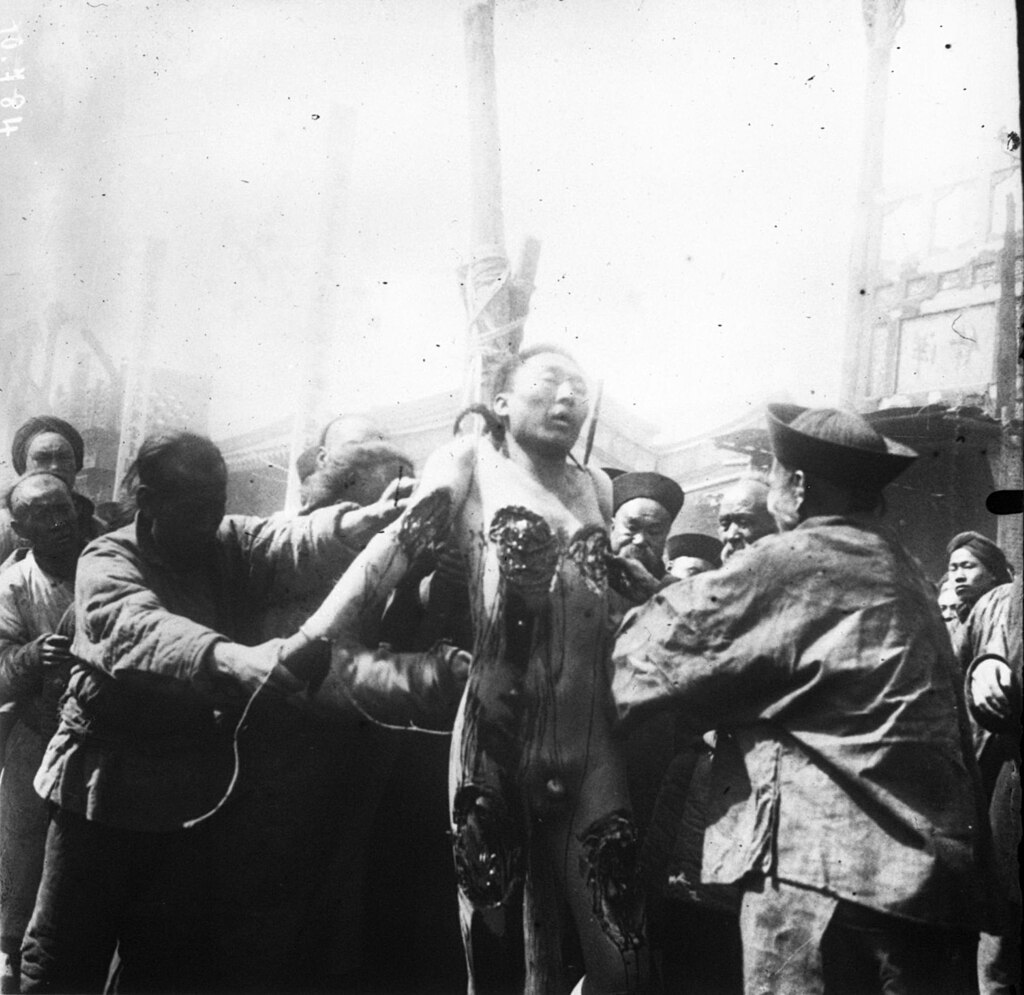
Caishikou Execution Grounds: A famous photograph, taken at Caishikou crossroad, during the execution of Boxers’ leaders in 1900. It has been later turned into a postcard, colorized, published in books, etc. On the back, pencil, ill-written: “26e year of Koang-hsu” (1900)
Because of its dark history and the blood that was shed on the spot, many claim that this is one of the more haunted places in the city and there have been many reports about people seeing the ghost of the executed convicts in the old vegetable market.
The History of Caishikou Execution Grounds
Caishikou Execution Grounds were an important part of the Chinese legal system for centurie and served as a centralized execution site and symbolized the ultimate power of justice in the hands of the dynasty. Executions were conducted publicly with little mercy, punishing those found guilty of capital crimes such as treason, theft, counterfeiting, murder, and other offenses, and if it was a famous convict, large crowds would gather to watch.
The Caishikou Execution Grounds is also known for the many famous people that died here. The House of Zhu that ruled in the Ming Dynasty was purged and executed here when the Manchu led dynasty came into power for example. There were also many people that were a part of the Boxer Rebellion who met their end here.
The Exact Location of the Caishikou Execution Grounds
The exact location of the execution grounds in modern day urban Beijing has been a matter for debate for some time as it was definitely not the only place in Beijing they held executions. While most people agree that it is located in what is now the Chaoyang District of Beijing, there is disagreement about exactly which area it was located in and its size.
It was located at the crossroad of Xuanwumen Outer Street and Luomashi Street, but today when looking at photos, it is most likely across from the Heniantang Pharmacy.
The Executions
When a convict was scheduled for an execution it was at 11:30 AM and the convict was escorted in a cart to the Caishikou Execution Grounds from the jail. Before reaching the final stop, the cart stopped at a wine shop called Broken Bowl Tea House on the east side of Xuanwu Gate that was called The Gate of Death.
This was the last stop before the final stop and the convict would be offered a last bowl of rice wine. After it was drunk the bowl of rice wine would be smashed and the convict sent to their deaths. It was also the place where the executioners retired after a day’s work to have a drink after.
If they were sentenced to death by beheading they were lined up east to west in the autumn before winter solstice when most executions took place. But if you had done a particular horrible crime, you could also be sentenced to Linchi, or slow death where they slice you up, piece by piece.
Death by a Thousand Cuts
One of the more gruesome methods of execution during the Qing dynasty was death by a thousand cuts or Lingchi (凌遲) as it was known in China. This method typically involved a series of deep cuts being inflicted on the criminal’s body and then left to bleed until the person died from extreme blood loss.
This form of torture was considered especially cruel and often took over an hour for the prisoner to expire, making it one of the most agonizing executions employed at Caishikou until the method was outlawed by the government of the Qing dynasty in 1905.
Lingchi Penalty in China: Torture victim in China (lingchi torture in Beijing around 1910] otherwise known as Caishikou Execution Grounds : [press photograph] / [Agence Rol]
It was not only because of the torture aspect of the death it was considered particular cruel, but also what it did for the afterlife. The body was important to have whole in Chinese tradition and eunuchs even kept their severed parts in glass jars to have them buried with them so that it wouldn’t affect their afterlife or next life.
Lingchi was an execution method only given to crimes that were especially bad, like treason. Several well known Chinese figures in history died by this way, like General Yuan Chonghuan, one of the people executed at the place on September the 22nd, 1630. It is said he has his own ghost story where he is haunting his tomb, but the execution ground itself is said to be haunted as well.
The Ghost of the Six Gentlemen of the Hundred Days Reform
The Six Gentlemen of the Hundred Days Reform (戊戌六君子) or the Six Gentlemen of Wuxu was young officials who put forward a preposition to the Guanxu Emperor of reform in the empire after it was met with pushback from the conservatives at court.
They were arrested by the Empress Dowager Cixi and executed in Caishikou Execution Grounds in 1898 by beheading without having gotten a trial by the Ministry of Justice.
These executed men are said to be haunting the place as well as Chinese history and the what if of what would have happened to the course of the country if the reforms had been successful.
In Beijing there was an apartment building so haunted that in 1984 several of the residents moved out from the building because the hauntings became so bad. What really happened that year? Was it really a haunted house, or just an elaborate prank?
In 1984, there was a collective panic of the locals living in a residential building near Jinsong in Beijing as they claimed that the building they lived in was haunted by ghosts. The haunting got so bad that it even made the news and made more than one resident move out.
Jinsong: Apartment building found in Jinsong subdistrict in Beijing. One of these buildings was the location of a mass haunting in the 80s if we are to believe the rumors.
Jinsong (劲松街道) is a subdistrict, pretty much in the central of the city, and part of the larger district known for its foreign embassies as well as the urban business districts.
In the dark when they came home from work or peeked outside in the corridors, the people living there could hear miserable crying as soon as you stepped inside the building. There were also ghostly shadows that roamed around on the walls as the lights flickered on and off.
Read More: Check out all of the ghost stories from China
In the middle of the night there would be so loud noises in the corridors it was impossible to get a good night’s sleep. There were voices talking as well as fighting or what sounded like scolding children. There were also loud noises of things moving inside of certain rooms and in the hallways.
When people walked in though, the sound stopped and there was no one roaming the corridors and the neighbors in the hallway just stared at each other, having all heard the same thing.
Fleeing from the Ghosts
People didn’t want to live in this haunted building in Jinsong, even though the building itself was brand new. And after a while of experiencing all the paranormal stuff going on, the residents moved out, one by one and the building was left empty. Or was it?
There are stories of the hauntings the residents experienced that the ghost moved with them to their new place and for a while it seemed like that building was quiet.
Then, some of the residents that didn’t really have anywhere else to go moved back into the haunted building in Jinsong, thinking that maybe it was all over now. And for a few days there was nothing paranormal happening that they could pinpoint.
A Ghost in front of the Door
Then one day an old lady was coming back from a walk and went up the stairs towards her apartment. The old lady saw a long haired woman standing in front of her house and she asked the lady who she was looking for as she didn’t know who this woman was. There was no answer and no reaction from the stranger outside of her door.
After asking two times without a response, the old lady called for her spouse and son as she tried to push through the woman to get into her house. The woman turned around slowly after being shoved and the old lady yelled before collapsing on the floor, passing out by the sight of her.
Her family finally opened the door and saw the woman on the floor and she was sent to the hospital. When she woke up she was trembling and scared as she told them about the frightful woman.
The poor woman was so out of it, babbled about how the woman outside of her door didn’t seem alive at all, became paranoid and couldn’t get out of bed for days. She was eventually sent to her hometown in the country to get well again.
After this, the haunting just seemed to get worse and it got so famous that it ended in the news, and scientists came to investigate the reasons behind it all and published papers on the matter in order to encourage residents to move back.
But just for safety, they dispatched the police to guard the building.
The Truth Behind the Haunting in Jinsong
So what really happened that year in 1984 in Jinsong that spooked so many of the people that they took the extra step of fleeing the building? Why haven’t we heard about hauntings from the building later than 1984? And how did it really all come to an end? According to some living in Jinsong at the time, the background for it all was not a paranormal reason at all.
According to them there really was crying and talking that kept the residents up at night, but they went to the police to get help. When the police did a search they allegedly caught a group of teenagers that used some of the empty rooms as their own personal party place.
However, is that enough explanation to give when so many residents felt the haunting moved with them, even when they tried to find a new place to live? And how about the woman outside of the old woman’s door? Just a rude high school girl there to party? A figment of the old ladies imagination? Or perhaps there really was something strange going on in Jinsong in 1984.
The Forbidden City in Beijing still has some parts that are off limits for tourists, but they can never block the path to the alleged ghosts that are said to linger. These Imperial Palaces are said to be haunted by former concubines, and according to legend, possibly cursed as well.
Built in the early 1400s, Beijing’s Forbidden City, or Zijin Cheng in Chinese (紫禁城), literally means the purple forbidden city and is a complex of majestic buildings and grounds that bears witness to the rise and fall of China’s powerful emperors and countless of people that lived and worked inside of the imperial walls.
Chock-full of ancient secrets, cultural treasures, and hidden stories, this UNESCO World Heritage Site is one of Beijing’s most iconic attractions where almost 20 millions visit each year and according to the legends, it is supposedly haunted, although in 2015, the Forbidden City publicly went out to deny these rumours.
Read More: Check out all of the ghost stories from China
The Forbidden City is only open in the daytime and closes its door at 5 usually except from a few special occasions. This fact has gotten people to speculate that the reason for it is the paranormal activity that happens during the night inside of the Imperial Palace.
Beijing’s Forbidden City
The Imperial Palace, known as the Forbidden City, dates all the way back to 1406 and was the former imperial palace and a winter residence of the Emperor of China from the Ming Dynasty to the Qing Dynasty when Yongle Emperor moved the capital from Nanjing to Beijing.
Filled with over 980 buildings including centuries-old palaces, gardens, and monuments, this site can tell us a lot about the grandeur of China’s dynastic rulers enclosed by a 10 meter high wall.
Members of the ruling family, aristocrats, and high-ranking officials would live in one of the nine inner court halls at the Palace. Each hall was responsible for holding different types of ceremonial gatherings or major events arranged by the Emperor himself.
There is no one living i the Forbidden City anymore. China’s last emperor, Puyi, was evicted after a coup in 1924, and the palace complex was turned into one massive museum you can visit today.
Ghosts of the Forbidden City
Confucius once said: “Respect the ghosts and gods, but keep away from them.” This can seem to be a bit tricky at this location however, as it is said to be plentiful of ghosts around the Forbidden City.
Rumors of mysterious phenomena have swirled around the Forbidden City for centuries, especially in the western parts of the place at it is said to have a strong Yin energy. As the palace was once reserved for China’s imperial family, it’s believed to be haunted by their ghosts and other supernatural occurrences.
Given its immense history and cultural significance, it’s only natural for the Imperial Palace to be filled with tales of ghosts and spirits. When the palace was due for renovation in the 1940s, the guards that were placed outside of it had tales to tell when they returned about strange animals running around as well as the ghosts of people that had died in the palace.
According to stories told by the eunuchs that used to work in the palaces, the haunted places in the Forbidden City included a passage behind Yonghe Palace where ghosts strangle their necks. There were also said to be a well outside Jinghe Gate where a group of female ghosts live. Fortunately there was an iron plate on Jinghe Gate to suppress them, otherwise they would come out every day. In the middle of Sanhai On the Jin’ao Jade Bridge it was said that every three years a person walking over it would be pulled down by a ghost under the bridge.”
There are tales about hearing a strange flute music heard in the dark hours in the empty city, but perhaps it’s the story about the weeping women that are most told.
But why is the Forbidden City said to have been haunted? Surely 600 years of deaths would warrant a place perfect for ghosts, but it is also speculated that the place was cursed to begin with.
The Forbidden City is Cursed?
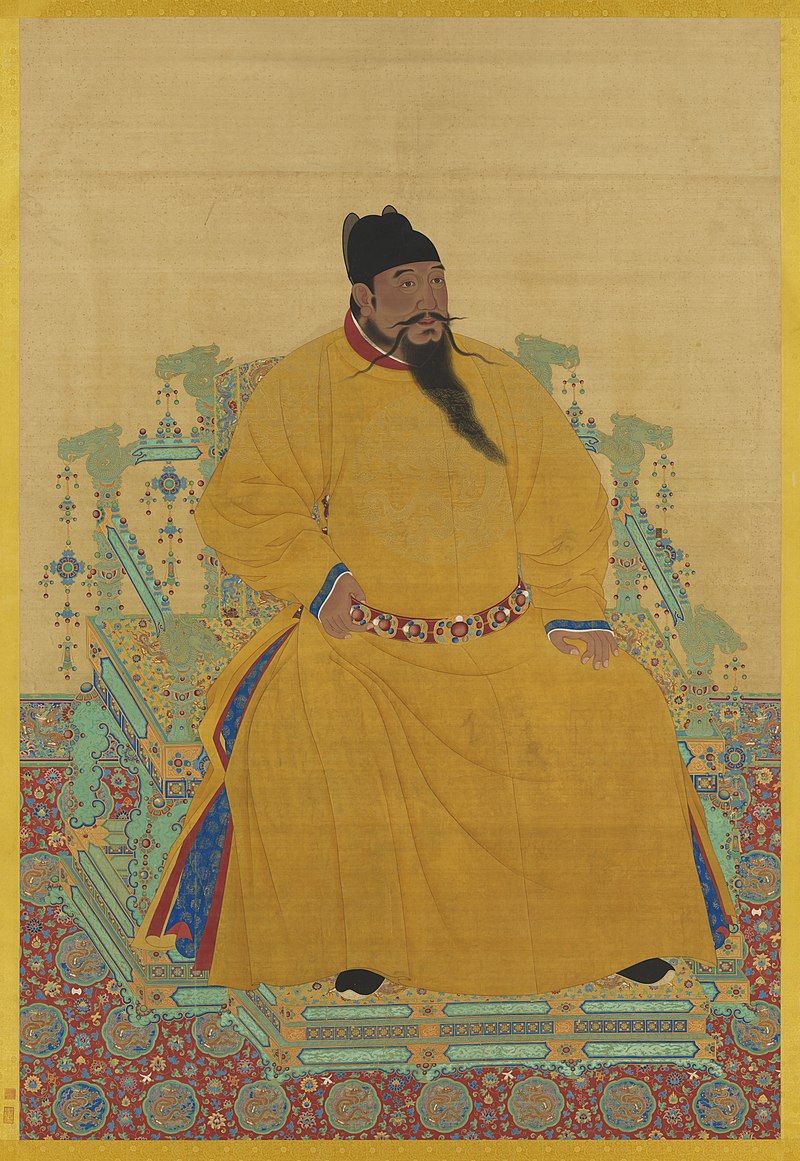
The Yongle Emperor, also known as Zhu Di, was the third emperor of the Ming dynasty. He reigned from 1402 to 1424.
Emperor Yongle did a lot of great things during his reign, including making Beijing the capital, building the Forbidden City for over 15 years, surrounding himself with global masters of philosophy, religion and did long strides in making peace and war with neighboring countries. He is however remembered as an emperor that always sought out power and for his cruelty to his subjects.
He spent most of his reign asserting his claim to the throne, as he was for many seen as a usurper as his nephew Jianwen was really in line for the throne.
After he took the throne from him he killed the palace’s servants and loyalists that could bear any doubt about his position as emperor. The nephew he burned to death.
When he was opening the Forbidden City he invited nobles from all around to show them he was the true emperor and cement his claim to the throne in the splendor of the newly founded Imperial Palaces. But his grandeur was built in top of a huge scandal that are said to have left a haunted imprint on it ever since.
The Massacre of his own People
Over 2 800 concubines, servant girls and eunuchs belonging to his harem were executed to suppress a sex scandal that would humiliate Emperor Yongle when he was going to show the banquet in the newly built imperial city in 1421 when the opening ceremonies were being held on New Years Eve.
One of his favorite concubines had been found after taking her life. She had an affair with one of the eunuchs, and the shame for the Emperor was that he didn’t have his subjects in order and didn’t have control.
Chinese Imperial Concubines: Chosen for their beauty, grace, and other qualities, concubines lived within the imperial palace and were often selected from noble families to serve the emperor. These women could attain various ranks within the hierarchyand played a vital role in the continuity of the imperial lineage. While they enjoyed privileges and luxuries, they also faced intense competition, intrigues, and strict rules within the palace. Their lives were marked by both opulence and limitations, reflecting the intricate dynamics of the imperial court in ancient China.
A few years later a fire took down over 250 buildings after the lightning struck it and killed numerous men and women as well. It was speculated that this was damnation and a punishment for his evil acts that no lucky charms could prevent.
Emperor Yongle fell into a depression, og this or something else is not for certain. He died a few years later in 1424. A clause for the concubines was that they would never take another man, and the only way to ensure it was that they would die along with the emperor. So when he died, he collected 15 of his favorite concubines and their servants and hung from a silk noose in the Forbidden City.
It would be another 15 years before the new Emperor rebuilt the destroyed halls, but would reside there until 1911 when the imperial rule was ended by revolutionaries.
The Yin Yang Alley
Inside of the Forbidden City, there is one particular place that are said to host more paranormal activity than other. The Yin Yang Alley was originally called East Tongzi Alley and is today sealed off to visitors. It is said that the sound of footsteps walking down the alley is heard at night.
There is one picture a visitor manage to take of the place, showing that the alley now is mostly covered in weeds and dust.
The Yin Yang Alley: This is a picture someone manage to take through the crack of the door, showing the Yin Yang Alley.
There is one story about the ghosts walking the lane from the 1960s. This was a time the nation aimed to eradicate religion and discouraged belief in the supernatural. A young man was stationed within Beijing’s Forbidden City as a soldier, dismissing ghosts and deities, decided to challenge these notions.
He learned of the infamous Yin-Yang Alley within the Forbidden City, a place teeming with ghostly legends, and determined to venture through it at night to defy the old, feudal beliefs. The man embarked on a daring journey to the most haunted spot in the Forbidden City and decided to take a walk there at night.
When his comrades asked him the next day how his walk through the haunted lane had been, he turned pale. He asked them never to speak of it again.
The young man’s experience soon became a topic of discussion, as he recounted his eerie encounter with an unseen entity that led to a deterioration in his health, a loss of appetite, and a series of inexplicable afflictions.
The Concubine Ghosts
One story that keeps being repeated is that of the crying women, and in the Forbidden City, there were plenty of them throughout the years. Many speculate it is the ghost of one or more concubines as the crying woman is often seen in or around the quarter for the imperial concubines.
This story spread like wildfire in 1992, when some tourists insisted that they had gotten the concubines on camera close to the Zhenfell Well. News media got hold of the story and there was even a special investigation, even though they concluded with that there was something in the paint creating this phenomenon, the story continued.
The Concubine Ghosts: The story is often illustrated with this picture of four seemingly looking ghostly figures walking in front of the red wall. But what is the truth behind these pictures?
The investigation claimed that the iron tetroxide in the red paint acted like a camera when the light ionizes the air. So that if a palace maid was walking past at one time, her figure would be preserved until next time light, like a camera flash would reflect this. It is also said that it was a thunderstorm that day that could also activate this.
However, it is most likely just an edited version of this photo under. It is also said that the story bears a striking resemblance to the 1981 ghost movie Qian Ying or Shadows of a Ghost by Baochang Guo. The movie is about an old mansion that has been sealed off for years, re-opens as a museum. A ghost is sighted by the museum’s guide and a quest to get to the bottom of the mystery starts.
The Palace Maids: This picture taken by a foreigner in 1910 of Qing Dynasty Palace Maids going shopping have also been connected to the ghosts of The Forbidden City and is most likely the origin photo of the viral ghost photo.
Although the viral story of the ghosts in the pictures were inspired by 80s movies and books, there have always been talk about seeing ghosts of women in the Forbidden City. One young man once insisted that he had seen one of these crying women, dressed in all white , walking the grounds. He approached her and tried to speak to her from behind, but she didn’t hear, and didn’t even turn around.
There are also some that claim that the weeping women, or perhaps something else entirely. The story is that one night in 1995 there was a woman, this one reportedly dressed in all black with long black hair. One night a guards were watching TV when two of his colleagues burst in, their face white of fear. The guards all thought the woman they had seen was a thief and chased her around within the Forbidden City. When they cornered her, she turned around and revealed that she had no face before disappearing.
When they together tried to find her, there was no trace of a woman ever having stepped into the Imperial Palace.
The ghost of the Concubines Haunting the Forbidden City: One of the most common told story is the sightings of women haunting the place, or the sound of them weeping. It is believed that it could be the ghosts of the many concubines that met a tragic end at the Imperial Palace.
But who could it be that is haunting the Imperial Palace? One famous story is about a ghost concubine from the Ming dynasty. Consort Zhen was also known as the Pearl Concubine and was believed to be the most beautiful woman in the palace born in 1876. The emperor fell in love with her, but their relationship was forbidden by the strict rules of the imperial court.
They used to meet secretly in a hidden garden inside the palace, but one day the empress discovered them. Legend has it that she was drowned in a well on the orders of Empress Dowager Cixi. Out of jealousy, the empress ordered the concubine to be executed and her body was thrown into a well in the palace grounds when she was only 24 years old. It is said that the ghost of the concubine still haunts the Forbidden City. She seeks revenge against the empress who betrayed her.
The Hidden Room in the Imperial Palace
Another legend that are told is about a supposed hidden room within the palace. A group of construction workers found a hidden room in a palace they were renovating. Inside, they discovered a pile of bones and a note saying it was the body of a traitor who plotted against the emperor.
After that, strange things started happening. The workers heard eerie whispers and footsteps, and some even saw the ghostly figure of a man in imperial robes. They refused to work in the haunted building, so it was left abandoned.
The Ghosts of Beijing’s Forbidden City
In conclusion, Beijing’s Forbidden City stands as a magnificent testament to China’s imperial past, with its grandeur, secrets, and hidden stories. As millions of visitors flock to this UNESCO World Heritage Site each year, they are captivated by its architectural beauty and cultural significance. However, beyond the ornate palaces, gardens, and monuments lies a realm of mystery and intrigue.
Amidst the eerie silence of the Forbidden City, stories abound of strange flute music resonating through the night and the lamenting cries of weeping women. The souls of these concubines, trapped in a realm between the living and the dead, evoke a sense of both sorrow and intrigue. Some have even spoken of encounters with spectral figures, dressed in white or black, their presence leaving a chilling impact that defies explanation.
While the Forbidden City remains a daytime attraction for tourists, one cannot help but wonder about the secrets concealed within its walls during the night. It is a realm where the past intertwines with the present, where the ethereal and the earthly coexist. The tales of ghosts and curses serve as a reminder that even the most majestic and revered places can hold hidden dimensions beyond our comprehension.
The Great Wall of China is one of the most well known wonders of the world and also has some haunted rumors wandering the wall about the souls of dead soldiers still patrolling the walls.
The Great Wall of China, also known as 萬里長城/万里长城 (Wànlǐ Chángchéng), stands as a monumental symbol of Chinese civilization and power, stretching majestically across the ancient landscapes of China. For centuries, it has stood as a testament to human ingenuity and perseverance, embodying both the triumphs and challenges of China’s rich history.
This architectural marvel, with its winding path along the undulating terrain, not only showcases the remarkable craftsmanship of its builders but also serves as a poignant reminder of the remarkable achievements of ancient Chinese civilizations.
There are many myths about The Great Wall of China that turn out to be not so true. It is said you can see it from the moon, that Mao climbed the walls when he was six and said you could not be seen as a man without doing it.
Read More: Check out all our collection of ghost stories from China
It is also said to be haunted and an ancient Chinese ballad says the wall is stacked with the bones of the dead soldiers. Can this also be one of those myths?
A Brief History of the Great Wall of China
The Great Wall of China, spans centuries and civilizations. It has its roots in the 7th century BC, when small walls were first built to safeguard against the relentless invasions of nomadic tribes from the north. As time passed, these defensive structures evolved and expanded, eventually culminating in the awe-inspiring wonder that encompasses the modern concept of the Great Wall.
The Great Wall of China: Is this one of the most famous haunted places? According to those that have visited the more secluded parts of the wall it is. // Source: Photo by Paulo Marcelo Martins on Pexels.com
These protections were built upon by various dynasties throughout the centuries, with construction reaching its peak in the Ming dynasty at around 1368-1644 C.E when they built the walls we know of today.
It is estimated that more than 1 million people ended their life on the wall to protect their homeland, and many are claiming it is these people that are haunting the wall today, patrolling the walls, watching for enemies and marching for their country. Could it be that one of the most well known human structures is also haunted?
Exploring The Remnants of Yesteryear
The Great Wall of China is the longest man-made structure in the world and stretches for 8,850 km. It is over 6,000 km long when it takes into account all branches and spurs of the wall, making it far longer than originally thought. It follows a rugged terrain along mountain ridges stretching across northern China, with an average height of 8 meters and reaching up to 15-20 meters as it climbs mountains.
Embarking on a journey through the Great Wall of China is truly like stepping back in time. As you meander along its brick-laid wonders, you can experience the past and present coming together to create an unforgettable adventure.
Not only does it boast stunning architecture, but also it’s full of tales from a bygone era – from the brave warriors who fought against Mongol invaders, to those who built the Wall under various dynasties. From grand gates to watchtowers, each stone or brick tells a story that can be revisited time and time again.
The Wild Wall: Just how many ghosts are haunting the Great Wall of China, the parts also known as the Wild Wall of China. // Source: Photo by Diana on Pexels.com
The Ghosts of The Wild Wall
Many of the stories about the Great Wall of China being haunted, are told about a part of the wall known as the Wild Wall that is a bit further away from Beijing and the tourists, that were more covered with bushes and more desolate than other parts. Could it be that this part is more haunted than the more touristy places?
Tourists and visitors claim to have seen soldiers patrolling the wall as well as hearing the sound of marching footsteps belonging to no one. The worst stories are those claiming to be overcome with a sudden nausea and dizziness that must have been something else than the steep steps of the wall.
Mysterious deaths of travelers have also been said to have occurred, so step with caution on these parts of this old and stoned wall taking you up to what sometimes seems like the end of the world.
Behind the colorful masks at the Peking Opera stage at the Huguang Huiguan Opera House in Beijing, there are some ghostly visitors that were there long before the opera house was built and may be there long after.
Step back in time to the haunting world of the Huguang Huiguan Opera House (湖广会馆) that are the most renowned Peking Opera theaters by the Hufang Bridge in Beijing, China. For decades, this legendary venue was home to macabre performances and mysterious stories that have remained alive even today.
Read More: Check out all our collection of ghost stories from China
Peking Opera has an easily recognizable and distinct style and with the plot being ingrained in the movement of the actors, colorful masks and were the color of the robe show what rank the character are the high pitched singing and traditional musical instruments like the jinghu being used.
History of the Huguang Huiguan Opera House
Huguang Guild Hall in Xicheng District, Beijing//Source
The Huguang Huiguan Opera House was first established in 1807 during the Qing Dynasty made mainly for Hunan and Hubei people in Beijing and the building itself was mainly made for living and gathering people at first.
Over the years it transitioned until it became the famous opera house it is today and it has held magnificent performances of traditional opera and other theatrical shows and at its height, Huguang Huiguan Opera House was known as one of the four great opera houses in Beijing.
Mysterious Tales Surrounding the Opera House
Rumors and stories of a supernatural presence at the old opera house have indulged the imaginations of guides, visitors and locals alike for a long time. Tales have been spread about strange occurrences involving ghostly apparitions, eerie noises, and unexplained events that occur within its walls.
Other legends say it is even rumored that wandering souls can be seen drifting in and out of the building at night. Who are these specters, and how did they come about?
Ghost of the Opera House
But who is it that is haunting this old opera house? According to the legends, the opera house was actually built as a place for poor people that had lost their home in a war. Not all talk about it being built for poor people as it did turn out to be a pretty exclusive and popular place among the celebrities and powerful people in society.
They made one crucial mistake when they built the building though. They managed to build it upon an ancient burial site and it is said that it angered the spirit and awoke them from the dead and came back to haunt the building.
Apparently they can hear screaming as well and a local legend say that if you throw a stone into the courtyard, you can hear voices screaming at you. This is said to be of the old groundskeeper, an old man with leprosy that had a face so disfigured that no person wanted to come up to him and have a conversation. It is said that after he died he joined the ancient ghosts and stayed on to keep an eye on the opera house.
The ghost of a woman i white has been spotted in the haunted Prince Gong’s Mansion in Beijing. It is said it is the ghost of a grieving mother that never recovered after the death of her son.
Prince Gong’s Mansion (恭王府) is today a tourist attraction in Beijing, but it used to be a grand mansion for some of the most powerful people in China, and also the home to one of the richest ghost.
The mansion is considered one of the most exquisite Chinese imperial mansions, representing the elegant lifestyle of Qing Dynasty royalty.
Read More: Check out all of the ghost stories from China
The mansion is also known to be one of the more haunted places in the country, and there are several reports going on for centuries about a woman in white walking the grounds as a ghost, still crying and mourning the loss of her lost son.
Prince Gong’s Mansion
Prince Gong’s Mansion is a true testament to the siheyuan-style that characterized this period in history and named after a Manchu prince, Yixin or better known as Prince Gong that was an important statesman during the 1800s.
The Manchus are a Tungusic East Asian ethnic group from Manchuria in Northeast Asia and led the Qing Dynasty from the 1600s until the imperial rule ended in 1912.
But the haunted rumors started long before Prince Gong moved into it.
The Richest and most Corrupt Man in China
Before the mansion was given to Prince Gong it belonged to another. Prince Gong’s Mansion was originally built in 1777 during the reign of the Qianlong Emperor for his favorite adviser, Heshen (和珅).
As one of the most powerful court officials during the Qing Dynasty, Heshen was remembered for his lavish lifestyle and incredible influence over imperial politics. He was also remembered to be one of the most corrupt officials in Chinese history and one of the richest as well.
The Death of Feng Jiwen
He lived together with his family and loved his wife, Feng Jiwen who he loved more than anything and they had a loving relationship even before he got into all the money. It is worth noting he had around 80 concubines as well in the house, but historical writings actually say his wife even encouraged it.
No matter how much money and gold a person has though, it isn’t enough and Feng Jiwen didn’t get to live out her loving family life until the very end though and got her heart broken to bits when her youngest son died in a battle fighting rebels.
Heshen, who was prepared to do anything for his beloved wife, hired monks to care for his wife and was hoping to pray for her to come back to her senses and health. His efforts were in vain though and it’s said she died of a broken heart.
She certainly fell ill and Heshen even offered 500 000 silver to the one able to cure her illness. After her death he was distraught, didn’t show up to work for months and wrote 6 poems about her to mourn her.
The Fall of Heshen
And even Heshen ended in tragedy as he was eventually apprehended when the throne got a new emperor that didn’t look at him as favorably when the Qianlong Emperor abdicated in 1796. They made him hang himself and had all of his belongings, as well as the mansion confiscated.
After her death she stayed on in her afterlife unable to move on. She and several of former escorts for Heshen have been seen around the palace, and the guards working there have claimed to have seen a woman in white walking the premises. You can hear the cries of a mother echo through the old mansion.
The urban legend of Inunaki Village in Japan is about a forgotten village of villagers refusing to conform to the Japanese constitution. They would do everything to protect themselves from the outside world, even killing the ones that trespasses.
In 1999, Nippon TV, one of Japan’s biggest TV channels, received a letter from an anonymous person about Inunaki Village in the Fukuoka Prefecture all the way south in Japan. The anonymous letter was titled “The Village in Japan That Isn’t Part of Japan” and urged the TV channel to visit the place. In the letter it told about the legend about a couple that once went there, but never came back.
Read More: Check out all of our ghost stories from Japan
The Inunaki Village (犬鳴村) means the Howling village and is an urban legend that dates back to the 1990s. The Legend of Inunaki Village, as we know the legend today, likely first appeared online in 1999. An anonymous person sent a letter to the TV station, NTV with the title “The Village in Japan That Isn’t Part of Japan.” It describes the legend as we know it today.
Inunaki Village: The place is said to be an almost abandoned village in the mountains, separated from Japan as they recognize themselves as outsiders. Even killing trespassers to keep outsiders out.
The Inunaki Village is supposedly a forgotten village in Fukuoka Prefecture by the Mount Inunaki mountain pass and is easily missed as the path to the village is along a narrow path. And according to the mysterious letter to Nippon TV, the legend goes like this:
Sometimes in the early 1970s, a young couple was making their way to Hisayama on the other side of the mountain when the car engine broke down. They left their car and headed up to the forest to see if they found someone that could help. They passed a handwritten sign on the way that read “The Japanese constitution is not in effect past here.”
Eventually they reached a village, but when they walked through it it seemed abandoned. But as they walked among the abandoned village with the dark windows they saw a man and approached them. Something that they really shouldn’t have. In what is explained as being a “crazy old man” he came to them and welcomed them to Inunaki village before he murdered them with a sickle.
Now, only their old black Sedan car they left is the proof they were ever there.
The Urban Legend of Inunaki Village
What is it about this village? Supposedly it is a village that consists of residents that refuse to follow the rules of the Japanese Constitution. This is a statement from the village from all the way back to the Edo period when mistreated peasant chose to cut of the world and live in exile. There are also theories about that the village was taken by a horrible sickness and they closed down the village to people coming and going. Even to the point of murder.
The very name Inunaki is said to be of a haunted origin. According to the legend, a man killed his dog because it wouldn’t stop barking. But then the man and his whole family was murdered and the dog was just trying to warn his master about the approaching danger.
Another story related to the village is that of the telephone booth near the Inunaki bridge. Allegedly it gets a call from the Inunaki Village every night. If you are the unfortunate soul that answers the phone call you are cursed and transported to the village.
The Haunted Village through the Tunnel: The Urban Legend about the Inunaki Village have inspired several Movies and Animes that keeps the legend alive, and gives it more legs to stand on for every adaptation that are made. // From the 2019 movie Howling Village.
There used to be an actual real village called Inunaki Village from 1691 to 1889, but it has no connection to the legend that started in the 1990s. Or does it?
The Haunted Inunaki Tunnel
The whole area around these parts have been considered to be haunted for a very long time by now. Like the area around the Old Inunaki Tunnel for example which have been according to rumours ‘haunted’ long before the 90’s. The tunnel is located near the Inunaki reservoir.
According to legends many people died building the tunnel that opened in 1949. At night you can hear the screams from children coming from within the tunnel and mysterious finger and handprints on the windshield of your car after passing through the Inunaki tunnel.
After a new tunnel opened in 1975 nearby, the old one became abandoned, eventually falling into disrepair until it was sealed off. Although it had many stories of vengeful ghosts residing inside the story before the murder, it really sealed the place as a place of violence and death as we know from the Inunaki legends.
The Inunaki Tunnel: The old Inunaki Tunnel in Miyawaka, Fukuoka Prefecture is now sealed off. It is believed to be haunted because of a murder that happened there years ago and the entrance to the Inunaki Village. // Source: Wikimedia
The Inunaki Tunnel Murders
The stories of the Inunaki tunnel is believed to be haunted because of the murder cases that have occured around the area for many years. It is already a pass with harsh weather wich causes many accidents every year. On top of this is the murders. Like when on 6th of December in 1988 found a factory worker named Koichi Umeyama burned to death inside the tunnel, long before the legend about the lost Inunaki Village went viral.
That night, five boys aged 16 to 19 years old from the Takawa district tried to steal a car from a man working as an engineer without success when they met him randomly at a gas station. They ended up abducting and tortured him for a long time, contemplating about throwing him off the bridge, drowning him or burning him in the tunell. They decieded on the latter, and even though their victim nearly escaped several times, he never got out of it alive.
The perpetrators burned him to death after pouring gasoline over him to destroy as much evidence as possible. They were quickly rounded up and got life imprisonment for it.
In 2000, a dead body was also found in a nearby dam were the original Inunaki Village is said to be submerged in.
The Movie about the Howling Village
A movie was released in 2019 called Howling Village. It was directed by Takashi Shimizu who is best known for being the creator of the Ju-On franchise, and directing four of its films, internationally, in both Japan and the U.S. This movie blew new life into the old legend and led to an increase in trespassing and vandalism in the area, especially in the tunnel.
The movie follows a young woman and psychologist. After her brother goes missing, she visits an infamous haunted and cursed location known as ‘Howling Village’ to investigate his disappearance and uncover her family’s dark history.
The movie also had a sequel named Jukai Mura, or the Suicide Forest Village in 2021, also rather inspired by urban legends about the abandoned outside of Japan.s wilderness. Rumors exist about the Aokigahara forest on Mount Fuji that is a real place and also have a lot of haunted rumours surrounding it. The rumors say things like nobody leaves Aokigahara alive.
The Enduring Legend of Inunaki Village
Inunaki Village, with its chilling urban legend and haunted reputation, continues to captivate the imagination of those who seek tales of the supernatural. Whether rooted in historical events or born from the collective fears of a secluded community, the enduring mystery surrounding the village and its infamous tunnel persists. As the legends of Inunaki Village seep into popular culture through movies, anime, and ghost stories, it serves as a reminder of the enduring power of urban legends to both frighten and fascinate us.
But the question remains, who was the anonymous writer of the letter to the broadcasting channel back then, and was there any truth to the haunted rumors that already surrounder the place around Mt. Inunaki back then?
In the middle of the busy and modern city of Beijing is an old tomb of a Chinese hero hidden away. And the Tomb of General Yuan is said to be haunted by the military leader who were framed and sentenced by the death of a thousand cuts.
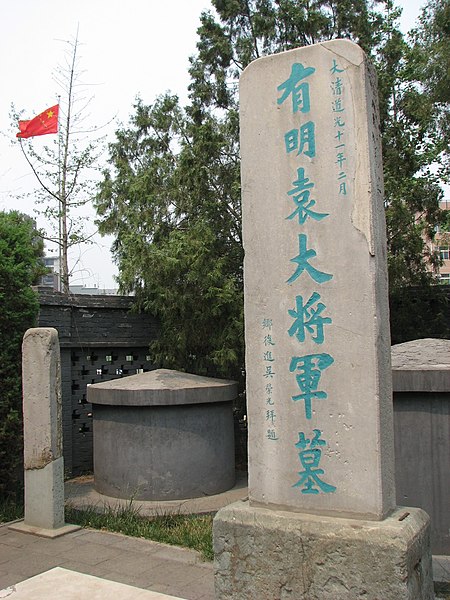
The Tomb of General Yuan is shrouded in mystery and legend as it is said to be haunted by the one that resides in it. It is the tomb of a famed General of China who died in 1630 after he was framed by his own court and sentenced as a traitor to the country he gave his life to protect.
Read More: Check out all our collection of ghost stories from China
The final resting place of General Yuan Chonghuan is hard to find as it is smacked in the middle of the busy city of Beijing. In a small park behind apartment buildings and offices there is a small memorial house and museum for him that a certain family has been protecting since he died.
Who Was General Yuan?
General Yuan Chonghuan (袁崇煥) was one of the most important figures in Chinese history and is remembered as a national hero today. He lived from 1584 to 1630 during the Ming Dynasty and is best known for his defense against the Jurchen tribes coming from the north and regarded as a great patriot of the country.
General Yuan Chonghuan was a well traveled man and is said to have taken a particular interest in European cannons to use in the military as his speciality. He quickly rose through the ranks after passing his imperial examination, even though he didn’t really have any formal military training prior to working his way up.
The History of the Ming Dynasty
General Yuan Chonghuan is perhaps best known for protecting China’s southwestern borders and Liaoning from attacks from Jurchen and Mongolian forces under the rule of the Tianqi Emperor.
His greatest military achievement was defeating the Later Jin ruler, Nurhaci in the first Battle of Ningyuan in 1626. General Yuan managed to hold back 130 000 of Nurhaci’s soldiers with just 9000 of his own.
In the last years before his arrest and execution he served as the governor in Liaodong, a place of great importance to him in life, and if we are to believe the legend, also in death.
Death by a Thousand Cuts
Death by a Thousand Cuts: One of the more gruesome methods of execution during the Qing dynasty was death by a thousand cuts or Lingchi (凌遲) as it was known in China. This method typically involved a series of deep cuts being inflicted on the criminal’s body and then left to bleed until the person died from extreme blood loss.
Although he is remembered as a hero today, he died a traitor. His fame also gave him a lot of enemies and he was accused of treason and collaborating with the enemy he was a part of defeating.
The Chongzhen Emperor had General Yuan arrested in 1630 and despite lack of evidence he was sentenced to death by lingchi, or death by a thousand cuts, a punishment meant for the most severe crimes and heinous criminals.
Apparently, General Yuan last words before his execution was a poems he produced that went like:
“A life’s work always ends up in vain; half of my career seems to be in dreams. I do not worry about lacking brave warriors after my death, for my loyal spirit will continue to guard Liaodong.”
According to the imperial records it took half a day to day and according to legend people were so enraged thinking that he had betrayed his country that they lined up to buy and eat his remains as soon as they were sliced off his body.
His Reputation Restored After a Century
After the execution, there was only his head that remained, which a guard named She brought outside the walls of Beijing to bury. He and his family were assigned to guard his tomb, which they did for generations to come, and the last caretaker is said to have died in 2021 in her 80s after a lifetime of caretaking of the Yuan Chonghuan Memorial and tomb.
After the fall of the Ming Dynasty nearly a century later it was replaced by the Qing Dynasty and the Emperor Qianlong. He was the one finding the evidence in the imperial archives that General Yuan had been framed and ordered to restore his reputation and find his descendants to be compensated. They were never found.
The Haunted Tomb of General Yuan
Over the years the tomb has gotten a haunted reputation and it is said that it is General Yuan that is haunting his final resting place that the She family has been guarding since his death.
He vowed that his soul would guard the Liaodong Peninsula forever. Who is to say his exact reasons to haunt the place? To revenge those who wronged him? Or perhaps he did as he said and will forever guard the land?
The supposedly cursed poem known as Tomino’s Hell has been a famous creepypasta for a long time and an urban legend before that. But what is the truth behind the dark and twisted poem?
A popular Japanese urban legend is about Tomino’s Hell,トミノの地獄. It is a poem that is said you should only read in your mind, never out loud. It follows the tradition of Bloody Mary and Candyman that words hold power, and sometimes it can hurt like hell.
It is said that if you dare read Tomino’s Hell out loud, a certain and agonizing death will follow the reader as the poem is said to have a curse lingering between the lines.
The Legend Passed Around About the Cursed Poem
But who created this supposedly cursed poem that are said to have even killed people?
The legend is that Tomino, often thought to be a boy, lived in Japan and wrote the poem. He was a sickly child and sat in a wheelchair. The supposedly cursed poem is pretty gruesome at some parts and his parents didn’t approve of it at all when they found it. Because of the hellish content of the poem, they locked Tomino in the cellar, not feeding him and he eventually died of bronchitis.
The poem was from then on cursed with Tomino’s spirit and anger imprinted in every word, ready to come to life when reading it out loud.
The Origin of the Tomino’s Hell Poem
This is obviously just the legend that is created of the legend of the legend. In fact we do know quite a bit about the actual writer of the poem, and he wasn’t thrown in a cellar to die because his parents thought the poem was too grim.
The Writer: Yaso Saijō, 西條 八十 is the original writer of Tomino’s Hell that he wrote in 1919.
The poem is originally written by Yaso Saijō, 西條 八十, when he was 26 years old in a collection of poems in 1919 called Sakin or Gold Dust. He was a university professor that studied at Sorbonne in France and had a long literary career.
Although most of his work was really geared towards children, making nursery rhymes and was recognised as one of the three great nursery rhymes of the Taisho period. He was for example the one introducing Alice in Wonderland in Japan, making Tomino’s Hell a work not like anything else from Yaso Saijō. Because this particular poem stands out as much darker and twisted than the average poem you read out loud.
Read More: Check out all of our ghost stories and urban legends from Japan
There are many theories about the poem and why it was created in the first place. Many say that Yaso Saijō wrote the poem after the death of a family member as a way to express the feeling of sorrow and despair. His original intent is now lost though, and we are only left with his written words and the legend they created.
How could this poem from the turn of the century ended up being seen as a cursed poem many decades later? There is not a specific thing that is said to happen, but most often comes with a warning that ‘bad things will happen’. Most commonly, you are supposedly dragged to hell.
What is the Cursed Poem about?
If you are curious about the whole poem of Tomino’s Hell, a translation into English is included at the end. but in summary it seems to tell the story of a little boy and his journey into hell. There are also many references to war and a descent into darkness and loneliness.
Tomino’s Hell: The painting commonly associated with the poem ‘Tomino’s Hell’ was not created with this specific poem in mind. It has been attributed to an artist named Yuko Tatsushima and was supposedly designed to represent death or suicide but not as they relate to the poem. The painting is called ‘I don’t want to be a bride anymore.’
The Deadly Poem
The effects of the cursed poem are many, but alas, not well documented, but it is often accidents, loss of their voice, illness and in the worst scenarios, death. A young girl supposedly died a few moments after reading the poem out loud, but when, who she was, is never discussed. This also goes for the rumors of the university students dying after reading it also. The question is, did anything happen to those reading the poem?
What we do know is that a man made a movie called To Die in the Countryside ( 田園に死す, Den-en ni shisu) in 1974, it was much based on the poem of Tomino’s Hell. The movie itself is an eerie and confusing experience of adolescence much like the poem. The writer and director Terayama Shuji ( 寺山 修司) died in 1983 and people have since speculated that it was because of the coursed poem.
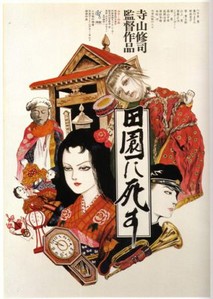
Pastoral: To Die in the Countryside: Poster from the movie. Also known as Pastoral Hide and Seek, is a 1974 Japanese drama movie with a film-within-film structure, about a young man battling with the film he is trying to finish like a reimagination of his adolescence.
Although we know that Terayama died early at 47, nine years after the movie came out, he died of a liver complication of a liver disease that he had been battling since he was a teenager. And he didn’t even quote the poem in his movie, but was only influenced. Is that enough to invoke the curse?
When we got to the 80s, there was a trend of filming when friends read the poem out loud. This also became a trend in the early 2000s across forums of users writing that they were going to read the poem out loud, but then never came back to post how it went.
The poem was read out loud many times throughout the writer’s lifetime without it doing anything to the writer who lived a long life. So according to the legend lore, the writer himself can read Tomino’s Hell out loud without the backlash of the curse?
It wasn’t until by Yomata Inuhiko, 四方田 犬彦, in his book of poem The Heart is Like A Rolling Stone, 心は転がる石のように, he called out the poem in 2004. Yomota claimed that the reader would suffer a terrible fate, but rumors about the dead director and the students were already whispered about under the surface. And at the dawn of the internet, the poem got resurrected and was sent frequently in forums with the curse attached to it.
Tomino’s Hell Translated to English
Perhaps the feeling of sickness from reading Tomino’s Hell is something we can attribute more to the poem itself and the eerily feeling it leaves you with. And it perhaps isn’t the power of a curse people feel the sickness off, but the power of word.
The English translation of the poem has been mostly done by people just trying to get the point across. However, when translated and spread on a global scale, it often shows up in a vacuum without any history of both the real writer and the history from the previous decades before the internet. But a writer and translator David Bowles did a good translation of the disturbing poem that weren’t just a simple google translate. Read the entirety with his more in depth notes here.
Tomino’s Hell
Elder sister vomits blood younger sister’s breathing fire while sweet little Tomino just spits up the jewels.
All alone does Tomino go falling into that hell, a hell of utter darkness, without even flowers.
Is Tomino’s big sister the one who whips him? The purpose of the scourging hangs dark in his mind.
Lashing and thrashing him, ah! But never quite shattering. One sure path to Avici, the eternal hell.
Into that blackest of hells guide him now, I pray— to the golden sheep, to the nightingale.
How much did he put in that leather pouch to prepare for his trek to the eternal hell?
Spring is coming to the valley, to the wood, to the spiraling chasms of the blackest hell.
The nightingale in her cage, the sheep aboard the wagon, and tears well up in the eyes of sweet little Tomino.
Sing, o nightingale, in the vast, misty forest— he screams he only misses his little sister.
His wailing desperation echoes throughout hell— a fox peony opens its golden petals.
Down past the seven mountains and seven rivers of hell— the solitary journey of sweet little Tomino.
If in this hell they be found, may they then come to me, please, those sharp spikes of punishment from Needle Mountain.
Not just on some empty whim Is flesh pierced with blood-red pins: they serve as hellish signposts for sweet little Tomino.
—translated by David Bowles June 29, 2014
The Enduring Legend of Tomino’s Hell
In conclusion, the legend of Tomino’s Hell is a captivating tale that has captured the imaginations of many. While the origins of the curse surrounding the poem are unclear, it’s evident that the eerie and dark nature of the verses has contributed to its status as a famous creepypasta and urban legend.
Whether the curse is real or simply a product of superstition, one thing is certain: Tomino’s Hell continues to intrigue and haunt those who come across it. The power of words and their ability to evoke intense emotions and even fear is a theme that resonates throughout this chilling cursed poem.
So, if you dare, immerse yourself in the dread of Tomino’s Hell, but remember to tread cautiously, for you never know what secrets and curses may be unleashed when the words are spoken aloud.
Explore the supernatural stories of Japan’s Magnificent Haunted Himeji Castle and find out why this iconic castle is said to be haunted by both monsters from the Japanese Folklore and tragic ghosts from the castle’s history.
Himeji Castle (姫路城) in Japan is widely known for its grandeur and beauty and one of the countries most recognizable landmark, and a perfect place to watch the cherry blossoms in the spring.
Himeji Castle may also be known as one of the nation’s most haunted places. Mysterious fog, strange shadows, and eerie sounds have been reported by many who have visited this iconic fortress and legend has it that ghosts appear often here.
Read more: Ghost Stories from all over Japan both new and old.
The History of Himeji Castle
Himeji Castle in the Hyōgo Prefecture was first built in 1333 by Akamatsu Norimura as a fort on top of the hill, however a more grand version of the castle was created by Toyota Hideyoshi in 1581 and is today Japan’s largest castle.
Over time, the Himeji Castle has undergone many renovations and changes to become the majestic structure it stands as today with 83 rooms and has stood almost intact even after wars like the bombing of Himeji in WW2 og natural disasters like the Great Hanshin Earthquake in 1995.
The Himeji Castle is known as Hakuro-jō or Shirasagi-jō, meaning the White Heron Castle because of the white color and architecture meant to look like a bird taking flight.
Himeji Castle: (姫路城, Himeji-jō) is a hilltop Japanese castle complex situated in the city of Himeji which is located in Japan. The castle is regarded as the finest surviving example of prototypical Japanese castle architecture, comprising a network of 83 rooms with advanced defensive systems from the feudal period. The castle is frequently known as Hakuro-jō or Shirasagi-jō (“White Egret Castle” or “White Heron Castle”) because of its brilliant white exterior and supposed resemblance to a bird taking flight. It is also remembered as one of the more haunted places in the country.
The roof tiles of the main tower of Himeji Castle is filled with traditional Kawara ceramic tiles that according to local lore hold mystical powers. The tiles are decorated by Onigawaras, ocra shaped tiles witting at the end of the ridges. These creatures are said to repel evil spirits and protect the castle. Question is, have they really repelled all evil spirits inside?
Many theories point to a long history of secrets and tragedies throughout its lifetime, leading some to believe that it is home to the restless spirits of the past that even the magic tiles are unable to repel.
Ghost Stories in Japan
Legends have been surrounding the maze-like construction of Himeji Castle ever since it was built, often told in summer during the Japanese holiday Obon where they celebrate the spirit of the dead. One of the most famous stories about this castle tells of a “White Lady” who appears on a moonlit night, wearing white kimono as if she were a bride.
This is linked to one of the most famous ghost stories in Japan called Banshū Sarayashiki (播州皿屋敷), or The Dish Mansion in Harima Province that have a version of it set to Himeji Castle. A famous Kabuki play that was put on the big stages to bring out fear in the hot summer months when ghost stories theatre was all the rage.
Okiku was a servant that was falsely accused of losing one of the ten valuable plates of her lord’s family. The Samurai master she worked for was angry at her for rejecting him and he hid away the plates to trick her into becoming his lover. She refused again, even if he said he would overlook her mistake of losing one of his valuable plates
Banchō Sarayashiki: The print depicts the ghost of Okiku appearing by the well in which her master, Aoyama Tessan, murdered her.From the Thirty-six Ghosts series by Tsukioka Yoshitoshi 1890.
Enraged, he threw her down a well where she died. In some version, she threw herself down the well to escape the torment from her master. In either cases, she died in that well. Perhaps quickly, hitting the stone walls, perhaps slowly, drowning in the dark water.
It is said she became an onryō, a vengeful spirit, back for revenge of those who wronged her. The ghost of Okiku tormented her murderer every night, rising from the well and coming up to the mansion again, making him go insane in the end. Okiku was still counting the nine plates, one by one. Only reaching nine everytime, then making a terrible shriek when she again missed the tenth plate.
Read the full story of Banchō Sarayashiki and Okiku: Here
The Haunted Okiku Well
Even though the play is set on several castles, there is but one well that claims to be Okiku’s well that are still haunted and most likely the inspiration of Sadako Yamamura coming out from the well in all white with her dark long hair.
Today there is a well that you can find on the castle of Himeji Castle grounds they say is from the ghost story of Banshū Sarayashiki. And people have reported about spotting poor Okiku as she rises from the well to count her plates.
The Castle Monster of Himeji Castle
Although there is no hard evidence to prove that this mystical tale is true, the Himeji Castle still evokes a sense of mystery with its hidden passages and dark courtyards. Other supernatural legends often tell of mysterious lights in the night sky, strange noises echoing through the castle’s corridors, or ghostly figures watching over visitors from atop the castle walls.
These stories paint an eerie picture of the enigmatic Haunted Himeji Castle, making it one of Japan’s most intriguing tourist spots for those interested in ghosts and legends.
One of these mysterious creatures thought to dwell inside of the castle walls is a mixture of Japanese folklore and modern ghost stories. This is the tale of what is know known as the Castle Monster, or the Legend of Osakabehime.
The Legend of Osakabehime
The story of Osakabehime (刑部姫) is set at Himeji Castle. Osakabehime is a figure in Japanese folklore as yōkai, a class of supernatural entities and spirits. According to this legend she lives in the castle tower and only shows up once a year to the lord of the castle to tell him about the fate of the castle.
Osakabehime is said to hate people and hides away in the castle corners and is thought to be an old kitsune. She is also said to be an illegitimate child of Princess Inoe (717-775) the empress consort of Emperor Konin of Japan who was deposed in 772 after she was accused of witchcraft. There are also theories that she is the spirit of the courtesans that Emperor Fushimi loved.
First, the figure of Osakabehime had no assigned gender and was in the earlier legends like in the Shokokuhyakumonogatari (諸国百物語) from 1677, she was just referred to as The Castle Monster.
Today Osakabehime is mostly considered to be a woman in her 30s, wearing a ceremonial twelve-layered kimono called The jūnihitoe (十二単) and can read human minds and control animals in many of her appearances in classic literature.
The Monster Osakabehime in the Castle: The jūnihitoe the Osakabehime is said to be wearing is a style of formal court dress first worn in the Heian period by noble women and ladies-in-waiting at the Japanese Imperial Court. Her it is worn by Empress Kōjun (Nagako) at the enthronement ceremony 1928.
A Kabuki play is based on Osakabehime story and is considered as one of the Shin-Kabuki Jūhachiban, a set of eighteen of the best kabuki plays.
Haunted Stories and the Unexplained Phenomena at Himeji Castle
So, perhaps the Himeji Castle have something more than romantic cherry blossom images to give to visitors of this old castle. Some of the most prominent haunted stories connected to Himeji Castle include eerie noises such as groans and murmurs, mysterious figures appearing in photos, and sudden drops in temperature throughout certain parts of the castle. You know, classical haunted castle stuff.
Some visitors even swear that they have seen the spirit of Osakabehime gliding along the castle walls in her unmistakable attire, or they have heard the desperate counting of the servant Okiku as she is trying to find the last dish she is missing. Such unexplained phenomena continue to draw curious travelers every year to look for more than beautiful cherry blossoms falling.
An online magazine about the paranormal, haunted and macabre. We collect the ghost stories from all around the world as well as review horror and gothic media.