In the dimly lit alleys in urban Japan, a woman wearing a mask is terrorizing the children walking home from late school. When she reveals her carved up mouth, it’s over. Kuchisake-onna, or The Slit-Mouthed Woman will get her revenge.
In Japan, the concept of cram school has been a thing for many decades now. Children stay out until late in the evening in these cram schools before going home in the dark. Is it really so safe? Not according to the urban legend that has been around for decades now.
When going home in these urban and suburban areas, there is this woman that walks up to children walking alone in the evening. She is wearing a mask over her face and looks beautiful with her long black hair and pale skin.
Kuchisake-onna: An old urban legend in Japan were a woman with her mouth carved up approaches children and asks them if they find her beautiful.
When she closes in on the children she asks them “Am I beautiful?”. Polite children will most likely say yes. It is then the true horror begins as she removes her mask, revealing her scars. Her mouth is carved up. She repeats the question:
“Am I beautiful even now?”
There is really no way of answering her right when you encounter the Slit-Mouthed Woman. If you say no, she will kill you with her knife she is carrying. If you say yes, she will slit your mouth so that they look like her.
Who was the Kuchisake-onna ?
Kuchisake-onna (口裂け女, “Slit-Mouthed Woman”) is a malevolent figure in Japanese urban legends and folklore. The Slit-Mouthed Woman has been described as a contemporary yōkai as well as a classic example of an Onryō or a vengeful spirit.
In many cultures, ghosts are put in different categories. Such is the case with Onryō (怨霊 onryō,) It basically means “vengeful spirit” or “wrathful spirit” in Japanese and is a mythological spirit of vengeance from Japanese folklore. They also have ghosts, called yurei, but these differ in the will of the ghost. As opposed to…
There are many variations as to who Kuchisake-onna was. Was she a crazy person running around with a knife? Was she really a ghost as the urban legend suggests?
Her origin story points to more than one thing. In many variations she is a ghost, possibly from the Heian period (794 -1185). According to this version of the legend she was a wife of a samurai, but was cheating on him with another man. When her husband found out, he mutilated her and slit her mouth as punishment.
Read More: Check out all of our urban legends and ghost stories from Japan
In the 90s with the rise of medical procedures and online urban legend, the legend about the cheating wife changed to be a botched plastic surgery with the woman seeking perfection, or done by a jealous woman that mutilated her because of her beauty.
The Manic Panic in the 70s
The story of a woman with her mouth slit can be traced back to the Edo period (1603-1867), perhaps even further. But the modern version of the legend started with a rumor from an old woman allegedly that claimed she had seen her.
Urbanization: Post War Japan saw a rapid change of urbanization. This was a perfect place for new urban legend like the one of Kuchisake-onna to be born.
The lady in question was from a farming family in the town of Yaotsu in Gifu Prefecture in Japan. According to this rumor, she once saw a woman standing in the corner of her garden. This woman had a slit mouth.
The local newspaper printed an article about the story and the legend spread. It especially resonated with the children in the area. Six months later the legend was now a national phenomenon. When the children went to or home from cram school, they told the story about the mouth slithed woman and the legend spread.
Children were terrified to go out alone at night and it wasn’t only the children that were worried about the legend of the Slit-Mouthed Woman. Teachers and parents arranged for patrols for their children’s safety, and in Ibaraki Prefecture, children were actually warned to stay away from people wearing masks.
In Fukushima and Kanagawa Prefectures they took a step further with police cars being out on patrol to appease the hysteria. In June that year a 25-year old woman in Himeji City got arrested for dressing up as her as a joke, but with a kitchen knife in her hand to scare people.
Although the hysteria around the urban legend died down the following year by the summer, possibly because the children started their summer holiday and didn’t talk about the legend on their way home from school anymore.
But the legend of the mouth slit woman had just started to snowball and in the age of the internet, the story spread not only between children at cram schools, and is today one of Japan’s most well known urban legends.
How to survive the Encounter with the Slit-Mouth Woman
An individual can survive an encounter with Kuchisake-onna by using one of several methods. In some versions of the legend, Kuchisake-onna will leave you alone if you answer “yes” to both of her questions. However, in other versions, she will haunt you down in your home later that night and murder you in your sleep.
There are ways of distracting her by giving or throwing money or hard candies (particularly the kind of candy known as bekko ame, made of caramelized sugar) in her direction, as Kuchisake-onna will stop to pick them up. or by saying the word “pomade” three times.
‘Koi Koi’ goes the sound of high heels in the hallways. And this sound is terrifying for students at the haunted boarding schools in Nigeria. Because Madam Koi Koi is after them in this terrifying urban legend about a dead teacher out for revenge.
The myth of Madam koi koi and her high heels is an urban legend about a ghost of a female teacher in Nigeria that has spread throughout many African countries and is today a well known legends among students. The ghost of Madam Koi Koi is said to have been haunting boarding schools in Nigeria for decades and there is no way of telling where the now urban legend surfaced. Many sources attribute the legend to the surface in the 90s. However, on the internet, she first appeared in the forums as Madam Koi Koi in 2011.
As the fear of Madam Koi Koi grew, it spread to more countries as well and the ghost of the former teacher goes by many names. In Ghana for instance, she is known as Madam Moke, Ghanian for high heels. She is also known as Miss Konkoko in Tanzania and Pinky Pinky in South Africa.
The Urban Legend of Madam Koi Koi
With such a popular and saturated story, there are bound to appear variations of the legend of Madam Koi Koi as all good urban legends do. But the most popular goes something like this:
Madame Koi Koi was said to be a beautiful and fashionable teacher in a federal government secondary school. She was known for her beauty as well as her red high heels that would make a sound every time she walked the hallways of the boarding school where she worked. Thereby the name: Koi Koi as it mimics the sound of clicking heels.
Madam Koi Koi: The ghost of Madam Koi Koi is described as the ghost of a mean teacher that used to wear red high heels that you could hear clicking when she came down the hallways of the school she worked at.
Although beautiful, she was not known for being a kind woman and was also said that she was a very strict teacher and mean to the students. She was a brutal and violent woman that would beat the students up for no reason and enjoyed punishing them. This is also why she was deeply despised by them.
Madam Koi Koi was eventually fired after another violent incident where she took it too far and hit a female student. The slap she gave the young student was so hard that Madam Koi Koi injured the little girl’s ear. On her way home that day, Madam Koi Koi got into an accident and died. But before dying, she swore revenge on both the school as well as the students for firing her.
From the Netflix Adaptation: In 2023 Netflix made a mini series about the urban legend from the 90s called The Origin: Madam Koi-Koi .
After her death, the students at the boarding school said they could hear the clicking of her heels during the night throughout their dormitories. Even today the story persists and it is told between frightened students that Madam Koi Koi comes out in the night to haunt the students that wander out of their beds in the night.
The Different Versions of Madam Koi Koi
Another version of her ending was when the students took matters into their own hands after they couldn’t take anymore beatings from her. In this version of the legend, the students captured and gagged her and beat her to death. To conceal their crime they threw her body over the school fence after realizing what they had done and hoped they would blame someone else.
But although they had their reasons, she came back for revenge. One by one, the students that killed her started to disappear from the school and ended up dead. After the last person involved with it died the school was shut down forever as they had no way of knowing how to stop the wrath of the former teacher. The students that were transferred started new schools and spread the urban legend about the teacher that haunts boarding schools.
Popular Urban Legend: In Nigerian schools, especially in boarding schools, they tell the story about Madam Koi Koi to each other and is known as some of the most famous haunted stories in Nigeria. //Photo: Emmanuel Ikwuegbu
Sometimes the legend is retold that she loses one of the shoes, and she comes back to haunt the premise for her other one. Or sometimes, as in the Ghanaian version, it is specified that she was given the rude and bad students and that they one time locked her in a closet where she died and she was more of a victim than a perpetrator.
Read More: For more ghost stories from schools around the world, check out the The Kong Kong Ghost
In the South African one where she goes by the name Pinky Pinky and is a very different version than the Nigerian one. Here she is only part human, animal, male and female and prays in children’s school toilets to rape the girls if they wear pink underwear. The boys can’t see her, but feel the presence through a slap or scratch on the cheek.
No matter the version is told, she is always after the students. You can always hear her before you see her. She walks the corridors, opening doors, singing and whistling while her shoes click on the floor. And if you are caught by her ghost in the hallways or in the toilets, she may become violent.
Netflix Series About the Legend of Madam Koi Koi
In 2023, Netflix released a two part series about the urban legend called, The Origin: Madam Koi-Koi that are based on the story of the former teacher haunting the schools.
The series focuses on a young student named Amanda that are sent to an isolated boarding school called St Augustine Catholic College in the 1990s. The school is plagued with a history of sexual violence that seemingly has gone unpunished because of the powerful parents to the perpetrators.
At the new school, Amanda has troubles to fit in and starts having nightmares about something dark that are lurking in the forest outside of her school. Meanwhile, inside of the school she has to deal with the sexual harassment for the male students and the urban legend about revenge starts to unfold.
The Legend about Madam Koi Koi
In conclusion, the legend of Madam Koi Koi continues to captivate and intrigue students and Madam Koi Koi legacy has left an indelible mark on the haunted boarding schools across the African continent. And for every year that the new students arrives at the schools, the legend about Madam Koi Koi evolves.
So the next time you find yourself near the haunted boarding school, take a moment to reflect on the tales of Madam Koi Koi. Listen closely, and you might just catch the faint echo of a haunting laughter or the distant sound of high heels.
In the 90s, rural parts of Bangalore in India were haunted by a fear of a ghost walking from door to door. To protect themselves from death, they used to write Nale Ba – come tomorrow.
The sound of a knock on the door can be one of the more terrifying things when you are not expecting someone. In lores and legends, opening the doors for strangers are the biggest mistakes you can make, as you have no control once the door is open.
But what if the voice on the other side sounds familiar, like that of a friend or a family member. What do you do then? Before the big urbanization of Bangalore in more recent times, there used to be some pretty rural parts where a particular urban legend struck fear in those who lived there.
Nale Ba or Come Tomorrow
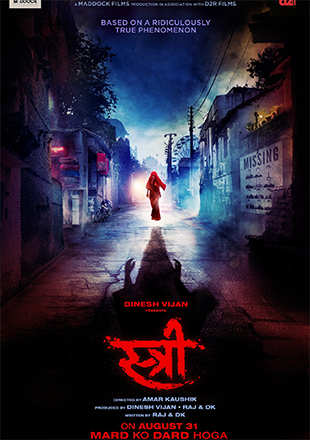
Haunting the streets: The movie Stree’s take on the legend showed the ghost of the Nale Ba legend as a ghostly woman in red sari.
The story of Nale Ba is a popular folk legend that is told primarily in Karnataka, in the south western region of India that truly blew up in the 1990s, making it perhaps more of an urban legend than folklore as it was centered around the more developed areas.
During the crazy times in the 1990’s there were around 5 million people living in Bangalore and city experienced a rapid urbanization that turned the place to one of India’s most populated cities.
But this was then and many of those living there lived in fear of Nale Ba. Villagers wrote the words Nale Ba on the walls and doors for many years to protect themselves, giving the name to both the legend and the creature haunting them. Nale Ba or sometimes spelled Naale Baa (ನಾಳೆ ಬಾ) is a Kannada phrase that means come tomorrow in English.
They wrote this exact phrase to protect their home from an evil spirit that tries to break in. What type of entity Nale Ba was supposed to be, was unclear. She was often referred to a so called Bridal Spirit as she was out to get a man to stay with her for eternity. She is also sometimes also referred to as a witch more than a ghost.
What her intentions were varied, but in some of the earlier versions she wore ragged clothes, had messy hair and asked for alms like a classic ‘do not open the doors to strangers’ legend.
But one of the more popular and retold stories is that she is roaming the streets hunting down the men to claim for herself.
The Manhunt of the Bridal Ghost
In some variations of the Nale Ba legend it is a bridal ghost that is looking for a husband among the villagers, and she will stop at nothing to get him. Although the legend will probably never be as infamous as it’s peak in the 1990s, the urban legend have a habit of popping up from time to time.
What is also curious is that it is very similar to the widow ghost legend in Thailand where there also is a female entity hunting down the men:
The bridal spirit will usually go for the only son or the man of the house who is the only member of the family earning money, and therefore bringing bad luck not only to the poor man that is taken away, but to the entire family as they are left in ruin.
Nale Ba: According to this legend there is a bridal ghost that goes from door to door in Bangalore in search of a man she can take with her to the afterlife.
She goes from door to door in the night and knocks on the doors, trying to get in. When she speaks through the door she speaks in the voice of your kin or familiar person, calling you by the name, so that you will open the door for her. But if you open it, you will most likely die according to the Nale Ba legend.
This is why the villagers came up with the idea of writing Nale Ba on their doors and walls of their homes to protect themselves. The idea is that the bridal ghost or witch will read the words and come back another time. And the cycle will only continue and you will be protected.
Leaving Nale Ba in the Past
The legend of Nale Ba, the haunting bridal ghost roaming the streets of rural Bangalore, continues to captivate the imaginations of locals and visitors alike. While the fear it once instilled may have subsided, the tale remains an intriguing part of the city’s folklore.
Over time, as Bangalore underwent urbanization and transformation into a bustling metropolis, the legend of Nale Ba gradually faded into the background. The growth and development of the city brought about new stories and urban myths, yet every now and then, a whisper of the infamous bridal ghost resurfaces.
In today’s modern era, the streets of Bangalore are abuzz with the sounds of progress and innovation, leaving behind the ghostly echoes of its past. Yet, hidden beneath the surface, the essence of these legends lingers, shaping a city that embraces its rich heritage while moving fearlessly towards the future.
So, next time you hear a knock on your door late at night, remember the spirit of Nale Ba and the importance of remaining vigilant. And should you ever encounter the whispers of an ancient legend, embrace it as a testament to the vibrant history and enduring spirit of the city of Bangalore.
In the small town in Alabama, a big thing is haunting the streets and are after the town’s children. The scary apparition of the black clad Huggin Molly is still on the prowl.
Children should be home before dark, there is no telling what hides in the shadows, emerging after the sun sets. But the people of Abbeville in south Alabama, they have a pretty good idea of what darkness that lurk in the shadows, in the streets and behind the bushes and in the dark corners.
The children of Abbeville, Alabama has been warned plenty of times to stay indoors after dark. If not, they might encounter the creature known as Huggin Molly on the streets.
The Colonial Town of Abbeville
The small place of Abbeville looks like any other small colonial towns in the south with the cute brick houses with the flag waving towards the paved street and with a population around 2000.
Abbeville Alabama: Downtown Abbeville, Alabama where Huggin Molly supposedly roams in the night. // source
The climate is hot during the summer and mild during the winters. The people can shop in the small boutiques and eat at the family restaurant, a place where people know one another. It is also why when a stranger starts to roam the street, the townspeople takes notice as they watch from hammock on their porches.
Read Also: Check out the rest of our ghost stories from all across the USA.
The town of Abbeville has seen many tragedies throughout the years. Not only the hardship of the European settlers, the surrendering of the creek nation and a town in southern Alabama also made it hard for the black people all the way up to the segregation times.
There were reported lynching and sexual violence that went unpunished, making the streets more difficult for black people than the children that was warned to stay indoors after sundown.
The southern town has also experienced tragedies that left a collective trauma so hard that legend took form. One of these being after the fire. At the start of the 1900s, an arsonist burned down all of Abbeville, and this is also at the time when it looks like the legend of Huggin Molly took form. The town was also ravage by an F2 tornado that destroyed many of the old buildings, forcing the town to build on top of the old.
Huggin Molly as The Lady in Black
But these tragedies are not the things Huggin Molly is about. Rather than one of the towns collective tragedies, this is one of the towns big mysteries.
“…..On a cold, dark, rainy night…..so bitterly cold, damp, and dark…..when even street lights won’t burn, and the striking of a match refuses to yield the tiniest flame….on nights like this, Huggin’ Molly comes out of her lair and roams the streets of Abbeville to see whom she can find.”
So begins one account of the story the people of Abbeville have told each other since the early 1900s. The local legend is known as Huggin Molly, or the lady in black. Who is this woman all clad in black, and why is she after the children of Abbeville? What does she want with them?
The local legend of Huggin Molly has it that a tall figure, around seven feet tall, started walking the streets of Abbeville, looking for victims, mostly children. She has no name other than what the townsfolk started calling her, no face to speak of and no one knows why she is after the children. She almost has this witch like status around her, although her behaviour is anything but.
Huggin Molly is said to be dressed in all black with a wide brim hat, also black, wandering through the night in the disguise of the shadows were even the streets light won’t illuminate her identity. Once she found a victim, an innocent child wandering after darkness, she attacks, hugging the person tightly as she is screaming loudly into their ears.
This is it, as there are no stories of her actually hurting anyone. She simply hugs them, although terrifying enough on its own. But are there any origin story to this local legend of a hugging ghost?
The Many Legends of Huggin Molly
Who she is supposed to have been is up for debate and changes as the story itself changes throughout times. Was she a witch or the ghost of a woman that used to live in Abbeville? Is she something completely different from a human?
The Woman in Black: Grieving women wearing long black dresses is a well known motif, especially in European ghost lore. They can also be very dangerous according to many of the legends.
Read More: One of the theories was that Huggin Molly was some sort of witch. If you are interested in stories about witches, head over to our section filled of them: Here
In some accounts when the local townspeople tells the legend, Huggin Molly was a woman living in Abbeville a long time ago. She experienced a mother’s worst nightmare when lost her own child. Her grief was too much to bare and it made her mad. She started to roam the nights and went after the local children to make up for the death of child. Like it was a way of dealing with the tragedy of loosing her own.
In other accounts of the legend, she was a woman who got murdered in cold blood on the very streets she is now haunting and are trying to fulfill something. Perhaps she was killed after dark with no one to look out for her and are now in turn looking out for others?
Perhaps the real story behind the legend is the version about her being a professor at what used to be Alabama Agriculture School as some of the variations of the legend suggests. In these versions she is only trying to keep the students safe by getting them off the streets at night.
Or perhaps it wasn’t a ghost at all that haunted the street in her afterlife, but someone or something, getting dressed up specifically for this? To walk out in the dark to scare and hug children? Somehow, this comes off as almost more frightening than a ghost who only wants a hug.
A Legend with a Milkshake on the Side
In any case, who Huggin Molly was, what her motives are and if she is still roaming the streets doesn’t seem to upset most people in Abbeville. The people of Abbeville haven’t been too concerned by the legend and there are even a 50s themed restaurant named after her, making her a part of the community and town history.
Huggin Molly Legacy: The legend of Huggin Molly is more welcome than many other ghost stories in Abbeville Alabama. Head over to the local restaurant Huggin Molly’s frozen in time in the 50s ,just like the legend to hear more about the town ghost with a meal.
Even to this day the legend is part of the town and kids today are told about the lady in black on the streets. This is like what Jimmy, an Abbeville lifelong resident had to say when the Huggin Molly’s restaurant asked him to say a few words of her:
“Anybody who grew up in Abbeville grew up knowing the legend of Huggin’ Molly,” Jimmy says. “If your mother or dad didn’t want you to be out after dark, they’d tell you Huggin’ Molly would get you. And you believed it, too.”
Because this is the thing, the legend of Huggin Molly has not once been known to have harmed anyone. So many children grew up to tell tales of what they believed must have been Huggin Molly chasing them. And who knows, maybe she really did?
What to watch in these merry Christmas times where you just want some horror and gore? There is so many takes on the Christmas horror genre. There are folkloric Krampus, crazy killers, ghosts of every time and other creatures. One thing most have in common though is the scary man that visits every time. Santa Claus. Don’t trust him. #cancelsanta
The Lodge
Released: 2019 Starring: Riley Keough, Jaeden Martell, Lia McHugh, Alicia Silverstone, and Richard Armitage.
Its plot follows a soon-to-be stepmother who, alone with her fiancé’s two children, becomes stranded at their rural lodge during Christmas. There, she and the children experience a number of unexplained events that seem to be connected to her past in a suicide cult.
Advertisements
Rare Exports: A Christmas Tale
Released: 2010 Starring: Onni Tommila , Jorma Tommila , Ilmari Jarvenpaa , Per Christian Ellefsen
Synopsis
(provided by the studio) It’s the eve of Christmas in northern Finland, and an ‘archeological’ dig has just unearthed the real Santa Claus. But this particular Santa isn’t the one you want coming to town. When the local children begin mysteriously disappearing, young Pietari and his father Rauno, a reindeer hunter by trade, capture the mythological being and attempt to sell Santa to the misguided leader of the multinational corporation sponsoring the dig. Santa’s elves, however, will stop at nothing to free their fearless leader from captivity. What ensues is a wildly humorous nightmare — a fantastically bizarre polemic on modern day morality.
Advertisements
Black Christmas
Released: 2019 Starring: Imogen Poots
Synopsis
Just in time for the holidays comes a timely take on a cult horror classic as a campus killer comes to face a formidable group of friends in sisterhood. Hawthorne College is quieting down for the holidays. But as Riley Stone (Imogen Poots, Green Room) and her Mu Kappa Epsilon sisters—athlete Marty (Lily Donoghue, The CW’s Jane the Virgin), rebel Kris (Aleyse Shannon, The CW’s Charmed), and foodie Jesse (Brittany O’Grady, Fox’s Star)—prepare to deck the halls with a series of seasonal parties, a black-masked stalker begins killing sorority women one by one. As the body count rises, Riley and her squad start to question whether they can trust any man, including Marty’s beta-male boyfriend, Nate (Simon Mead, Same But Different: A True New Zealand Love Story), Riley’s new crush Landon (Caleb Eberhardt, Amazon’s Mozart in the Jungle) or even esteemed classics instructor Professor Gelson (Cary Elwes). Whoever the killer is, he’s about to discover that this generation’s young women aren’t about to be anybody’s victims. This December, on Friday the 13th, ring in the holidays by dreaming of a Black Christmas.
Advertisements
The Nightmare Before Christmas
Released: 1993
Questions like: Is this actually a Halloween movie or a Christmas movies must be forgotten! Let us all just call it a movie about festivities. Jack Skellington, king of Halloweentown, discovers Christmas Town, but doesn’t quite understand the concept.
Advertisements
Wind Chill
Released 2007 Starring: Emily Blunt
Before a quiet place, there was the Christmas horror movie for Blunt, giving her a chance to practice her horror scream queen skills to perfection. Two college students share a ride home for the holidays. When they break down on a deserted stretch of road, they’re preyed upon by the ghosts of people who have died there.
Advertisements
Krampus
Released: 2015 Starring: Adam Scott, Toni Collette, David Koechner, Allison Tolman, Conchata Ferrell, Stefania Lavie Owen and Krista Stadler.
Toni Collette. Wanna watch her in a horror flick without the psychological trauma from Hereditary? Krampus is the movie. Or…
Legendary Pictures’ Krampus, a darkly festive tale of a yuletide ghoul, reveals an irreverently twisted side to the holiday. When his dysfunctional family clashes over the holidays, young Max (Emjay Anthony) is disillusioned and turns his back on Christmas. Little does he know, this lack of festive spirit has unleashed the wrath of Krampus: a demonic force of ancient evil intent on punishing non-believers. All hell breaks loose as beloved holiday icons take on a monstrous life of their own, laying siege to the fractured family’s home and forcing them to fight for each other if they hope to survive.
Advertisements
Gremlins
Released: 1984 Starring: Hoyt Axton, Zach Galligan, Frances Lee McCain
A boy inadvertantly breaks 3 important rules concerning his new pet and unleashes a horde of malevolently mischievous monsters on a small town.
Advertisements
Black Christmas
Released: 1974 Starring: Olivia Hussey, Keir Dullea, Margot Kidder, Andrea Martin, Marian Waldman, Lynne Griffin and John Saxon
Synopsis
Kind of more into originals slasher movies than remakes? Then lo and behold, you can have one without Imogen Poots.
The story follows a group of sorority sisters who receive threatening phone calls and are eventually stalked and murdered by a deranged killer during the Christmas season. It is the first film in the Black Christmas series. The script of the movie is actually inspired by the urban legend “The babysitter and the man upstairs” and a series of murders that took place in the Westmount neighborhood of Montreal, Quebec.
Sometimes you just need a bite size story to get your filling of dread and horror, and therefore these horror anime in anthology format is just perfect for that. Here are some of them. Some are listed as stand alone episode with nothing connecting the episodes together but the genre, and some have more of a red thread, but still have that episodic feel to it. Here are some of the anime horror stories in anthology series.
Yamishibai: Japanese Ghost Stories | 闇芝居
Aired: 2013-2019 Episodes: Nine seasons with 13 episodes each.
This long running anime horror story anthology series covered a lot. Every week at 5 p.m. an old man in a yellow mask shows up at a children’s playground and tells them ghost stories based on myths and urban legends of Japanese origin. The man tells the stories on the back of his bicycle using a traditional kamishibai (Paper Drama) method and features a new tale each week.
A series of short horror stories, Yami Shibai begins with a bachelor who, after moving into a new apartment, immediately starts sensing a malevolent glare being pressed into him. A single talisman rests on his ceiling, but he has no way of knowing it is one of the few safeguards that separate him from a bottomless pit of suffering. Each story is more terrifying, more appalling, and more sickening than the last as the Storyteller’s audience find themselves being sucked into the vicious world of his words.
Advertisements
Kousetsu Hyaku Monogatari: Requiem from the Darkness | 京極夏彦 巷説百物語
Aired: 2003 Episodes: 13
One of the anime horror story anthology series that goes a little meta is the Requiem From The Darkness series. It is about Yamaoka Momosuke, a writer that usually writes riddles for children. However, he’s tired of it and want something with a bit more action to it. He wants to write an anthology series called Hyakumonogatari (“One Hundred Tales”) of scary and macabre stories. When he goes into the world to gather these stories he encounters a strange trio that are called: the Ongyou. They are also chasing the same stories and legends, but not to write about them, but to bring justice. This is the set up for Momosuke who must face horrible truths and fight with and against his own morals each time he meets the trio of detectives.
Advertisements
Junji Ito Collection | 伊藤潤二「コレクション」
Aired: 2018 Episodes: 12
A collection of animated horror stories based on the works of Japanese artist Junji Ito. And although his fans rather preferred his manga work, this is a quick way to digest his work like Tomie, an immortal girl. And don’t worry, if this adaptation is not to your liking, his work has been adapted to live action and anime series several times.
In the light of day and in the dead of night, mysterious horrors await in the darkest shadows of every corner. They are unexplainable, inescapable, and undefeatable. Be prepared, or you may become their next victim.
Sit back in terror as traumatizing tales of unparalleled terror unfold. Tales, such as that of a cursed jade carving that opens holes all over its victims’ bodies; deep nightmares that span decades; an attractive spirit at a misty crossroad that grants cursed advice; and a slug that grows inside a girl’s mouth.
Advertisements
Hell Girl | 地獄少女
Aired: 2005-2006 Episodes: 26
This anime horror story series continued with four additional seasons, but the beginning is perhaps the ones with the more episodic feels. When someone wants revenge, they post about it on a special website at midnight. Then Hell Girl appears to do their bidding. Those with a powerful grudge may only access this mysterious website at midnight, allowing them to enter anyone’s name and have that person be ferried straight to hell.
Ai Enma, the Hell Girl, will not judge whether or not the chosen target deserves punishment; she will merely exact revenge on them for you. Not much is known about this young girl other than that she swiftly carries out her tasks with the help of three straw dolls. There is just one catch, however—as payment for carrying out such a request, the user must condemn themselves to an afterlife in hell.
Advertisements
Mushi-shi | 蟲師
Aired: 2005-2006 Episodes: 26
This anime horror story series started out as a manga from the mangaka Yuki Urushibara. This is the adaption of the award winning manga with 26 episodes based on the chapters of the manga. The episodes of the anime aired differently than what order they were published in the manga, wich says some about how episodic it all is. One episode sequel Mushishi: Hihamukage and a ten episode series called Mushishi Zoku Shou in 2014.
Ginko is a so called Mushishi, those who research the thing called Mushi. It is a mysterious entity of ‘beings’. They are removed from good and evil, but inhabits the earth by manifesting in things like plants, animals and diseases to just mention a few things they appear as. Ginko wonders about the reason behind their existence, and in doing so, perhaps finding the reason for life itself.
Advertisements
When They Cry: Higurashi | ひぐらしのなく頃に
Aired: 2006 Episodes:
This anime horror story was originally a game with several storyline and outcomes, the anime solved it by resetting the timeline again and again, it also have countless sequels, sidequels, specials, OVA’s and so on. So for this reason, let’s call it an anthology.
Keiichi Maebara has just moved to the quiet little village of Hinamizawa in the summer of 1983, and quickly becomes inseparable friends with schoolmates Rena Ryuuguu, Mion Sonozaki, Satoko Houjou, and Rika Furude. However, darkness lurks underneath the seemingly idyllic life they lead.
As the village prepares for its annual festival, Keiichi learns about the local legends surrounding it. To his horror, he discovers that there have been several murders and disappearances in the village in the recent years, and that they all seem to be connected to the festival and the village’s patron god, Oyashiro. Keiichi tries to ask his new friends about these incidents, but they are suspiciously silent and refuse to give him the answers he needs. As more and more bizarre events occur, he wonders just what else his friends might be keeping from him, and if he can even trust them at all.
Advertisements
xxxHOLiC | ホリック
Aired: 2006 Episodes: 24
This one season anime horror story series centers around Kimihiro Watanuki, a boy that can see spirits and other supernatural creatures. One day he encounters a woman named Yuuko he finds in a house he can’t help but enter. She is a woman claiming to be able to help him stop seeing spirits, which is something he hates. But to help him he must work for her in her shop that grants peoples wishes, and horror ensues.
Advertisements
Petshop of Horrors (ペットショップ・オブ・ホラーズ)
Aired: 1999 Episodes: 4
This short, but scary anime horror story series centers around Count D, not to be confused with Dracula. He is a pet shot owner in Chinatown that sells rare, but special pets. They come with a strict contract that the owners must follow. If they do, they’ll be fine, and if they break the rules of the contract… well, the pet shop cannot be held responsible for anything that happens. In this anime horror series The episodes leads a homicide detective called Leon Orcot, to the shop. He is following a string of strange deaths and they all seems to point to Count D and his shop.
Advertisements
Ayakashi: Samurai Horror Tales | 怪
Aired: 11 Episodes: 2006
In this anime horror anthology series we find a fine selection of three classic Japanese horror stories: “Yotsuya Kaidan“, the story of a wife betrayed by her husband who seeks vengeance even in death. “Tenshu Monogatari”, the story of forbidden love between a goddess and a human, and “Bakeneko”, the story of a mysterious cat monster with a vendetta against a certain family.
Mononoke | モノノ怪
Aired: 2007 Episodes: 12
This anime horror story is a sequel to the Ayakashi: Japanese Classic Horror anthology series, were we meet Kusuriuri in the Bakano episode. He is a traveller called The Medicine Seller, a master of the occult in search of evil spirits called Mononoke to kill. But one day he encounters a spirit he cannot kill. His journey to find a way to defeat the monster, he meets Shino, a pregnant woman in an inn. There she encounters the Zashiki Warashi, the monster he is hunting down. And so the hunt begins.
This is a list of games that have been played for a long time, or new. Some are old in its new form. Many of these games are best played in the dark in the middle of the night, far from any other sounds. Some you are tired of, as we do with old games, some are always a welcomed suggestion to do.
This is a very old game. Or rather, more than a game, perhaps we would call it more of a party trick in these days. But it has been played as far back as in 1665, at least! It is still popular today, in modern day, most popularized by the books and HBO series by the same name.
The game is a circle of children (or adults, hey!) that invokes a spirit or something to lift someone lying down in the middle. When it works, it is af the child can lift their friend with only one finger.
Rules
One participant lies flat on the floor, and then the others space themselves around him or her, each placing one or two fingertips underneath the participant’s limbs. The person closest to the head commonly begins by saying, “She’s looking ill,” which is repeated several times, and followed by, “she’s looking worse,” which is also repeated several times. The general direction of the call-and-repeat describes how the prone person is looking worse and worse, followed by saying “she is dying,” and, finally, “she is dead”.
All versions of the game end with the phrase “light as a feather, stiff as a board” chanted by the entire group, as they attempt to lift their companion’s body using only their fingertips. Some versions omit the story entirely and only the “light as a feather…” chant is used. Allegedly, after these repetitions, the person being lifted will seem lighter or even entirely weightless.
Another variation of the game takes place with one person seated in a chair. Four volunteers agree to stand around the sitter, two on the sitter’s left side and the other two on his/her right. Each of the four places two fingers under each corner of the chair’s seat and the four together will attempt to lift the chair and sitter, which generally fails. The volunteers will then perform some small ritual, usually involving rubbing their hands together or circling the chair in various direction (counter-clockwise, walking backwards, etc.) After this ritual, the volunteers hold their hands over the sitter’s head to “transfer” energy into the sitter, which will presumably make him/her weightless. The lifters then retry lifting the sitter the same way as before. Also, it can be that the lifters lift the person sitting in the chair; doing the rest of the ritual as so but holding at the four main points of the body (Under the knees on each side and under the shoulders.)
A classic tale, probably a bit boring if you have played it a million times. But the game is old and have been played in many different times. Perhaps one should try that? Perhaps it would work better then? Or… better not.
Historically, the divination ritual encouraged young women to walk up a flight of stairs backward holding a candle and a hand mirror, in a darkened house. As they gazed into the mirror, they were supposed to be able to catch a view of their future husband’s face. There was, however, a chance that they would see a skull instead, indicating that they were going to die before they would have the chance to marry.
In the ritual of today, Bloody Mary allegedly appears to individuals or groups who ritualistically invoke her name, repeatedly chanting her name into a mirror placed in a dimly-lit or candle-lit room. In some traditions the name must be repeated thirteen times (or some other specified number of times, very often 3 times in movies, probably to save time). The Bloody Mary apparition allegedly appears as a corpse, witch or ghost, can be friendly or evil, and is sometimes “seen” covered in blood. The lore surrounding the ritual states that participants may endure the apparition screaming at them, cursing them, strangling them, stealing their soul, drinking their blood.
Some variations of the ritual call Bloody Mary by a different name—”Hell Mary” and “Mary Worth” are popular examples.
This one is a pretty cool one. Although it excact origins are a bit unclear, it was believed that it was first played among the samurai class as a test of courage in old Japan.
The game was played as night fell upon the region using three separate rooms. In preparation, participants would light 100 lights in the third room and position a single mirror on the surface of a small table. When the sky was at its darkest, guests gathered in the first of the three rooms, taking turns orating tales of ghoulish encounters and reciting folkloric tales passed on by villagers who claimed to have experienced supernatural encounters. These tales soon became known as kaidan. Upon the end of each kaidan, the story-teller would enter the third room and extinguished one light, look in the mirror and make their way back to the first room. With each passing tale, the room slowly grew darker and darker as the participants reached the one hundredth tale, creating a safe haven for the evocation of spirits.
However, as the game reached the ninety-ninth tale, many participants would stop, fearful of invoking the spirits they had been summoning.
This is a rather facinating story of spiritualism, capitalism and a great scam that made people millions, and billions scared of a board game. But that must be another time. The game itself is pretty fun, even though people still swear of its demonic and spiritual powers. The official owner of the official Oujia Board is Hasbro, and this is the official rules from Hasbro (the owner of the patent).
Set up
If desired, set the mood by dimming the lights or turning them off.
Before using the Oujia Board, wipe it with a dry cloth to remove dust and moisture.
Sit opposite another player or gather around the board if more than two are playing.
Set the Ouija board either on the players laps or on a small table between and within reach of the players
Additional players are encouraged to look on and take note of the Oujia Board’s responses.
Set the Planchette in the center of the Oujia Board.
Place two fingers lightly on the Planchette.
Now, concentrate
What now?
Players take turns asking questions and all should agree to the question being asked. Ask only one question at a time. Ask your questions slowly and clearly. And wait to see what the Planchette spells out for you.
If nothing happens, try asking another question. Allow one to five minutes for an answer to come.
Ok, so this one bugs me, and it thrills me. It has been a huge success and got its own movie, but still. Well, anyway, it claims to be a pagan ritual, not specifying though, what pagan religion considering every other religion beside the religion you follow is pagan. But anyway, considering it isn’t any trace of this game from before the 2010s, it is highly unlikely. But fun nonetheless. But there are a hell of lots rules, so we will just post them as they are written on the creepy pasta page so not to make any mistakes.
Instructions
PREREQUISITES:
It must be exactly 12:00 AM when you begin performing the ritual. Otherwise, it will not work.
MATERIALS:
You will need a candle, a piece of paper, a writing implement, matches or a lighter, salt, a wooden door, and at least one drop of your own blood. If you are playing with multiple people, they will need their own of the aforementioned materials and they will have to perform the steps below accordingly.
STEP 1:
Write your full name (first, middle, and last) on the piece of paper. Put at least one drop of blood on the paper. Allow it to soak into the paper.
STEP 2:
Turn off all of the lights in the place you are doing this. Go to your wooden door, and place the paper with your name on it in front of the door. Now, take out the candle and light it. Place it on top of the paper.
STEP 3:
Knock on the door twenty-two times. The hour must be 12:00 AM upon the final knock. Then, open the door, blow out the candle, and close the door. You have just allowed the “Midnight Man” to enter your house.
STEP 4:
Immediately relight your candle. This is where the game begins. You must now lurk around your now completely dark house, with the lit candle in your hand. Your goal is to avoid the Midnight Man at all costs, until 3:33 AM. Should your candle ever go out, that means the Midnight Man is near you. You must relight your candle in the next ten seconds.
If you are not successful in doing this, you must then immediately surround yourself with a circle of salt. If you are unsuccessful in both of your actions, the Midnight Man will create a hallucination of your greatest fear, and rip out your organs one by one. You will feel it, but you will be unable to react.
If you are successful in creating the circle of salt, you must remain in there until 3:33 AM. If you are successful in relighting your candle, you may proceed with the game. You must continue to 3:33 AM, without being attacked by the Midnight Man, or being trapped inside the circle of salt, to win the Midnight Game. The Midnight Man will leave your house at 3:33 AM, and you will be safe to proceed with your morning.
ADDITION:
Indications that you are near the Midnight Man will include sudden drop in temperature, seeing a pure black, humanoid figure through the darkness, and hearing very soft whispering coming from an indiscernible source. If you experience any of these, it is advised that you leave the area to avoid the Midnight Man.
DO NOT turn any of the lights on during the Midnight Game.
DO NOT use a flashlight during the Midnight Game.
DO NOT go to sleep during the Midnight Game.
DO NOT attempt to use another person’s blood on your name.
DO NOT use a lighter as a substitute for a candle. It will not work.
AND DEFINITELY DO NOT attempt to provoke the Midnight Man in ANY WAY.
Even when the game is over, he will always be watching you…
Join a haunted pub crawl through Dublin’s ancient streets for ghosts and a pint of Guinness. From plotting revolutionaries to somber writers, these pubs and bars are said to be a place where some of the patrons have been lingering for a long time.
In 1852, the alleged psychic Erika Larsdatter Bogen, arrived at Børholmen, a small island in western Norway. She claimed that she had found the ghost and corpse of the dead child, and she named the mother who allegedly buried it. But what was the truth?
Ghostly whispers in the old castle ruins, soldiers haunting the bloody battlefields and even the drums of pagan druids still lingering, Ireland is certainly a haunted country. This is only a small portion of the most haunted places in Ireland and the ghost stories behind them.
Who is the ghostly priest in brown, haunting the old Vicarage in Sande? Legend says he still carries guilt for the young boy he failed that had tragic consequences.
In the rural mountainside in Catalonia, Spain, there have long been talk about a vampiric beast of a hound that has tormented the livestock and the unfortunate person walking outside after dark. Could this legend be the one where other iberian vampire legends sprung from?
A story of doomed lovers and haunted ivy leaves, the Lady in Green is said to haunt Caerphilly Castle in Wales together with the spirit of Gwrach-y-Rhibyn, wailing as an omen of death.
After the battles during world war two, Hegra Fortress was a place that became known to withstand the Germans, although they too in the end had to raise the white flag. After the war, people started to believe that one of the fallen soldiers was still there, wandering the deep and damp tunnels.
In a cemetery turned into a public park, the Wolfe Tone Square is said to be haunted by John Toler, one of Ireland’s most haunted man and remembered as the Hanging Judge.
The old cabin high on Hardangervidda, Norway is said to be haunted by its very first caretaker. But although Krækkja DNT cabin is said to be his eternal home, it seems like the more people visiting, the more he retreats to the plateau.
Preying on the blood of the young one, the vampiric Guajona from northern Spain is said to stalk the villages and valleys in Cantabria, thirsting for blood.
On the hills where the last wolves in Ireland roamed, ghosts have been spotted on Feltrim Hill, always moving towards the sacred spring that were said to have healing powers.
A gathering place for the elite class in Norway, Losby Manor house in the countryside outside of Oslo housed kings and queens. It is also said that some of its residents are haunting the place, especially the ghost of The Lady of Losby, who dedicated her life to her home.
Urban Legends are more modern day ghost or horror stories. We’ve always heard it from a friend of a friend without knowing entirely who we are talking about. Some are so famous it has become a part of our horror canon like the famous ghost stories of the past, showing the story telling is not a died out genre.
Urban Legend: Based on the legend of an unknown caller to the babysitter.
The film has developed a large cult following over time because of the first 20 minutes, now consistently regarded as one of the scariest openings in movie history.
The babysitter and the man upstairs — also known as the babysitter or the sitter — is an urban legend that dates back to the 1960s about a teenage girl babysitting children who receives telephone calls from a stalker who continually asks her to “check the children”. The basic story line has been adapted a number of times in movies.
Ah, the glorious 90’s. The beautiful teens caught up in a slasher horror movie in high school flicks era. How we miss it now. This created spin-offs and everything, ghost
The Hook, or The Hookman, is an urban legend about a killer with a pirate-like hook for a hand attacking a couple in a parked car. The story is thought to date from at least the mid-1950s, and gained significant attention when it was reprinted in the advice column Dear Abby in 1960. It has since become a morality archetype in popular culture, and has been referenced in various horror films.
The film centers on four young friends who are stalked by a hook-wielding killer one year after covering up a car accident in which they killed a man.
Urban Legend: Well, the Boogyman, Bloody Mary, and… the hook?
In the film series, he was portrayed as the vengeful ghost of an African-American man who was brutally beaten, mutilated and fed to the bees by having honey smeared on his body for a forbidden interracial love affair in the 19th century and would haunt and kill anyone who called the name of the Candyman before a mirror five times in a row
Based on the short story, “The Forbidden” by Clive Barker, the film follows a Chicago graduate student completing a thesis on the urban legends which led her to the legend of the “Candyman“.
Set in Humboldt County, California, Jim (Bryce Johnson) is a Bigfoot believer whose idea of a romantic getaway is to head deep into Six Rivers National Forest in Northern California, video camera in tow, trying to shoot his own Bigfoot footage at the site of the Patterson–Gimlin film. That 1967 fragment of footage purporting to show a Sasquatch striding along a dry sandbar beside Bluff Creek became a key artifact in the cryptozoology community and Jim dreams of nothing more than setting foot on the actual location where it was shot. His long-suffering girlfriend Kelly (Alexie Gilmore) agrees to tag along for the ride, despite the fact that she thinks Bigfoot has about as much chance of being real as leprechauns.
Its plot focuses on a series of murders on the campus of a private New England university, all of which appear to be modeled after popular urban legends. The film has been credited by both cinema and folklore scholars as being one of the first major films to redistribute the urban legends and folklore depicted within it to the public.
From a classical folklore motif to the black haired lady dressed in white in Kabuki Theatre and Japanese horror movies, this ghost called Onryō is still haunting Japan. Clad in her distinct white kimono and long black hair, she will stop at nothing to get her revenge.
In many cultures, ghosts are put in different categories such as the case with Onryō (怨霊), basically means “vengeful spirit” or “wrathful spirit” in Japanese. It is a mythological spirit of vengeance from Japanese folklore. The Onryō is a type of yūrei, meaning ghosts. But these are ghosts with a purpose and as opposed to the yūrei, these ghosts doesn’t just get over their revenge thoughts.
Even though the modern world reject things like ghosts i most cases, Japanese reverence for onryō spirits endures, notably illustrated by the case of Taira no Masakado’s head mound, Masakado-zuka. Even though urban redevelopment projects relocated it several times, each move resulted in accidents and a construction worker’s death. The mound, situated amidst Tokyo’s skyscrapers, remains intact while surrounding buildings have undergone frequent reconstruction. It continues to be meticulously maintained in respect for onryō spirits.
Let us have a closer look to the famous ghost that has a long and varied history from being the main antagonist in movies to women with a tragic fate.
The Origins Of The Onryō
The origins of the Onryō is a bit unclear but can be traced back in written records since the 7th or 8th century in Japan in the late Yamato period when Buddhism were introduced to Japan and the vengeful spirit of an Onryō reminds quite a bit about the hungry ghosts from Buddhism or Preta as it was known as in Sanskrit.
The Ghost: The Onryō has long roots in Japanese ghost mythology. // Photo: Sawaki Suushi (佐脇嵩之,)
The vengeful spirit manifests when someone is either killed or driven to their death. The person died so filled of rage over the ones that either killed or betrayed them in some way, they will stop at nothing to avenge themselves.
Mostly, the spirit never starts out as evil, and wasn’t an evil person when alive. But the circumstances around their life and particularly around their death made them bit by bit as time went on and anger built up. This type of vengeful spirit are sometimes created from the basis of love, but the jealousy perverted the love so much, it turned to hatred. In both cases, their soul are unable to pass on to be reborn and lingers in the realm of between the living and dead.
In traditional beliefs and literature in Japan and similar spirits across Asia, they causes harm to the living, killing its enemies or in some cases, been blamed for causing natural disaster to get revenge. It feels it was wronged in life and now they have a change to correct that in their afterlife.
Usually it was a victim when alive, but in death, it doesn’t discriminate passing judgment to others, making them their victims.
It is said that the Onryō don’t know how to differentiate between the guilty and the innocent victims, making them dangerous for the living. They also have a tendency to make their victims suffer for as long as possible before murdering them as the torture itself seems to be the goal.
The Female Onryō and the Male Goryō
The term Onryō is almost exclusively a title that refers to a female ghost today although some of the first example of this type of vengeful spirits were male. There are also cases of the male Onryō told today, but they mainly focus on the topic of restoring their honor after death than the revenge the female spirit often are after.
The term Onryō overlaps somewhat with Goryō (御霊), another type of yūrei, except that goryō is not necessarily a wrathful spirit and is often an upper-class nobleman. The Kanji 御 (go) actually means honorable while 霊 (ryō) means some sort of soul or spirit.
In broad strokes we can generalize the female spirit is an Onryō in most ghost stories and literature, and is after revenge because of a betrayal, while the male spirit, the Goryō, is after revenge because of his honor and he wants to restore it.
Similar Spirits Around the World
As mentioned, the Onryō is similar to many vengeful spirits, especially from Buddhism, but this type of ghost is filtered through Japan’s indigenous nature religion, Shinto. It is not only in Asia we can find ghost stories about a woman dressed in white that comes back after death to haunt the place she died or the people that wronged her.
This type of vengeful ghost is also similar to the Poltergeist in the English and Germanic language that are highly dangerous and can cause physical harm to the living people according to some ghost stories. It is also somewhat similar to the Lady in White we can hear stories from all across Europe and also South America (See La Llorona).
In Asia as a whole the vengeful spirit like the Japanese Onryō is found in many lores, both Chinese, Korean and Thai for example. Most notably perhaps is the Asian Hungry Ghost particular from Chinese folklore and the Korean Virgin Ghost that over the years seems to be merging more and more towards the Onryō.
After the Chinese nobleman Tu Po was betrayed by his own king and fellow nobles, he became a vengeful ghost, or Hungry Ghost as it is known as in Buddhism. Even in his afterlife he sought revenge on those who betrayed him and fought to restore his honor.
The Korean virgin ghost may be based on the ideals that all a woman needs is a husband, but the anger of these spirits tells of a woman with another purpose. And that is mostly vengeance.
When unexplained deaths of seemingly healthy and young men occur around the same time and same place there are many Thai people who believe it is the Widow Ghost who is after their men, and they have their own way of holding the seemingly paranormal death at bay.
The Onryō is not only dangerous to individuals, but are also believed to be capable of causing extreme havoc. Many plagues, earthquakes, famins, fires, storms and the likes have been connected to the vengeful ghosts. This type of revenge with natural forces are called tatari (祟り) Something that we see in the story of Nagaya’s curse.
Nagaya was a prince that died wrongfully. A ghost most called a Goryō, because of his stature and gender. He died in 729, and is one of the earliest records of this type of vengeful spirit.
This was also the earliest case were a cult was formed to show respect and reverence to the dead and to help appease the vengeful spirits. And also, perhaps a bit out of fear that they would feel the wrath of the vengeful spirit. There are several instances were cults for the Onryō were made.
This is not to be confused with the ghosts that comes after a big natural disaster though, as with the case of the Ghosts of the Tsunami for instance, where the ghosts are mostly just trying to get home.
You also have the case of Okiku that died in the well on the property and was said to haunt it and her vengeful spirit was the cause of some natural disasters that affected the wells.
The haunting of Okiku’s ghost told in the Banchō Sarayashiki story, have been widely reported on for centuries. All back in 1795 the old wells in Japan got a larvae infestation that were blamed on the ghost of Okiku.
The larvae infestation on the wells was later known as the “Okiku insect” (お菊虫, okiku mushi). They long thought that the infestation was a reincarnation of Okiku and the cause of the infestation. It is not uncommon that disasters and accidents were the works of vengeful ghosts throughout Asia.
The Kabuki Onryō from the Japanese Theatre
Many of the Japanese ghost stories are built upon the legend of the onryō. From the early ghost stories to pop culture movies and books. What most people today think of when thinking of the Onryō is the scorned woman, much like the Lady in White type of ghost in western lore. This is very prominent in the Myth of Oiwa, who was left by her husband or in the case with Banchō Sarayashiki — the Ghost of Okiku who were wronged by her master she was working for.
Today, the image of the onryō is a quite specific one, clad in all white with loose black hair. This image came with the rise of the dance theater Kabuki in the Edo period in the 1600s, and a specific costume was developed for the onryō to make it recognizable on the stage. Before this time, the ghosts had no particular look. After however, it is a well known sight:
A white burial kimono known as shiroshōzoku (白装束),
Long, loose and messy hair.
Powdered white face with dark eyes
The Onryō look: The Kabuki theatre formed the visual we know today with the long black hair and the long white dress. Here from the movie The Ring that shows the iconic Onryō Sadako from The Ring (リング) (1998), that reinvented the vengeful ghost on TV for the modern audience.
The Modern J-Horror Onryō
Today the Onryō is mostly known from the modern Japanese horror films as a next step from the Kabuki theatre from the edo period. Perhaps in today’s society the Onryō is mostly known for its appearance in Japanese horror films and books that built upon the lore that was already there.
Most known is the Onryō spirit of Sadako and Kayako from the Ring and The Grudge franchises. So populare are they in fact that they even have their Hollywood remakes from the source material. This goes to show that the story of the scorned woman dressed in white works globally.
And although based on centuries old legends, the fear of this special vengeful spirit still goes on. And with the visuals from the Kabuki make-up department, they also incorporated the specific jarring movement of the crawling out from the TV and twisting inside the cracks of a house.
Ringu Japanese Horror Movie: One of the more famous Onryō today is found in iconic horror movies like in Ringu from 1998.
How To Exorcise an Onryō
So how do you get rid of an Onryō when one is created according to traditional belief? After all, not all ghost stories can end with the ghost just lingering in the living world forever.
Many theories about how you get rid of a vengeful ghost exists. Since it is such a prominent figure in the Shinto religion, the native spiritual religion of Japan, much of the rituals comes from there. Unlike Buddhism’s thoughts that deceased will be reincarnated within 49 days, the Japanese mix of both Buddhism and Shinto, is slightly different. Often certain measures is needed to get rid of an Onryō.
Can you get rid of an Onryō: According to legend it is very difficult to appease the vengeful spirit and most ghost stories need some religious intervention to get rid of the spirit. //Source: Anela/flickr
They are said to be very hard to get rid of though. While most yūrei only haunt a person or place until they are exorcised or placated, an Onryō’s grudge-curse continues to infect a location long after the ghost itself is gone. So can one ever get rid of them according to folklore?
Mostly though the trick is just about to find a way to please the spirit. Such was the case with Sugawara no Michizane. He was a vengeful spirit that didn’t leave the capital alone before they built a shrine in his honor. But like the case with Okiku, most measurements are taken to just get out of the Onryōs way alive rather than get rid of the ghost for good.
The Vengeful Spirit of the Onryō
The Onryō continues to haunt Japan’s folklore, literature, and pop culture, captivating audiences with its vengeful spirit and chilling presence. From its mysterious origins in ancient Japanese records to its portrayal in Kabuki theater and modern J-horror films, the Onryō has become an iconic figure in the realm of ghosts.
Although categorized as a specific type of yūrei, the Onryō stands out due to its relentless pursuit of revenge. Born from a tragic fate and consumed by rage, these spirits stop at nothing to avenge themselves against those who wronged them in life. Their vengeful nature transcends boundaries, making them dangerous to both the guilty and the innocent.
The Onryō’s legacy continues to fascinate and frighten, serving as a reminder of the power and intensity of human emotions and the lingering impact they can have beyond the grave. As long as there are tales to be told and fear to be felt, the Onryō will forever haunt the imagination of those who dare to delve into the realm of the vengeful spirits.
So, tread carefully in the darkness, for you never know when the vengeful spirit of the Onryō might appear, driven by an insatiable thirst for revenge that transcends time and space.
Articles on Moon Mausoleum about the Onryō and some similar ghosts:
Explore the supernatural stories of Japan’s Magnificent Haunted Himeji Fortress and find out why this iconic castle is said to be haunted by both monsters and tragic ghosts.
In the dimly lit alleys in urban Japan, a woman wearing a mask is terrorizing the children walking home from late school. When she reveals her carved up mouth, it’s over. Kuchisake-onna, or The Slit-Mouthed Woman will get her revenge.
On the foundation of old land with a lot of history, a new park was built called Pasir Ris Park. But the legends surrounding the mangrove forest followed into the modern day busy Singapore.
The new Netflix TV-series Ju-On: Origins gives a new spin on the franchise. From going from classical jump-scares to an actual social commentary installment.
In Japan, the ghosts are called Yūrei (幽霊). The word means faint or dim and soul or spirit. And as well as language and cultures divides different types of ghost in different categories, so does the Japanese. Here are some of the ghosts of Japan.
The tale of Banchō Sarayashiki (番町皿屋敷, The Dish Mansion at Banchō) is a well known Japanese ghost story (kaidan). It was popularized in the kabuki theater tradition, and lives on in popular culture and folklore alike.
A Moonmausoleum original based on the well known Urban Legend
A couple parks their car on the local lovers lane. It’s in a small clearing in the forest, overlooking the small town. The guy insisted to drive around for a while as he manged to borrow his dad’s old veteran car for the evening. It’s supposed to be the date. They are slurping the remains of the soda and eating the popcorn from the movie.
“Did you like the movie?” the girl asks, engulfed in the movie they just saw, having some of the popcorn. It had been her choice, and the boy fell asleep halfway through.
“Sure,” the boy said, leaning into her. She pushes him playfully away.
“Yeah right, I noticed you fell asleep,” the girl says, throwing a popcorn at him playfully. He throws it back at her, just hearing her laughter.
“I’m awake now,” the guy says, kissing her.
The song from the radio ends, the news broadcaster taking over. It is a terrible radio station, local, but the only one they get a signal from her in this small town. The guy turns to the radio speaking in its slow and monotone voice.
“We report about the manhunt still ongoing for the convicted murderer and rapist, escaping from the mental institution. There are still no leads to his whereabouts. Noticeable features is his hook hand. Listeners are asked to report-“
“Enough of that,” the boys says as the news kills the mood, turning the radio off, putting on a playlist instead. The girl look around, uneasy after listening. She buttons one of her blouse button.
Advertisements
“Hey, maybe we should just-“
“Come here,” the boy says, pulling her closer, kissing her, his hands trailing down her side. But she’s had it. The moment is passed.
“No, come on. Let’s just drive home.”
“But I only borrowed the car for this evening. I don’t know if he-“
“Don’t care! It’s creepy here.”
“It’s romantic.”
The girl crosses her arms over her chest. She’s made up her mind. The boy accepts defeat.
“Fine, fine.”
“We can ask your father again for the car another time,” the girls tries to negotiate with. The boy is not biting to her offer.
“Sure,” the boy mutters, trying to get the engine to work. It doesn’t. He tries again: Same result. The girl starts to get a creepy feeling, an uneasiness as if the darkness around them swells.
“Do you need any help?”
“What? No! It just has this special way to get it started. Just give me a second.”
Still, the car won’t start. The night is coming to life. The nightlife is starting to wake, to howl. The girl inhales, trying not to intervene. The boy tried the key, but the engine just gave a small puff, not wanting to start. The headlight flickering weak before dying.
“It doesn’t work,” the girl says. The boy ignores her.
“Maybe you should just try to-“
“I know how to start a car,” the boy says, loosing his patient and snapping back at her. She raises her hand, leaving him to it.
The car finally stars and the girl leans in to fix her lipstick. She turns when a shadow glides over the mirror.
He pushed the pedals to the floor, car screeching as they bailed out from the lane, leaving their date in a pile of dust. The girl clutched the handle above her head.
Advertisements
“Did you just drive onto something?”
“No”
“Didn’t you hear it right now? It was like the car pulled on something?”
“Jesus, can you at least not whine about my driving? I’m taking you home, as you demanded, alright? Can you just not?”
They drive away out from the woods onto the highway. He turns back to the news on the radio, but it’s over. Just a slow ballad to fill the awkward silence is heard.
After driving for a while, both notices something is wrong. The boy curses, knowing this date went horrible wrong.
“Sounds like the tires,” the girl comments as they park the car at the side of the road. It is still far to the town.
“Let me have a look,” the boy says, not knowing much about cars.
Studying the back tire at the passengers side, he can’t make it out. It is as if it’s slashed. They wont be able to drive it back home. He stands up, looking both ways, no car is out on the roads, the forest on both sides is motionless in the dead wind.
He goes to the passenger door, motioning to open it to tell her they would need to call someone to come get then. That is when he sees it, that is when he freezes.
“What is it?” the girl asked, noticing his face going pale. The boy held out the arm.
“Stay in the car. Don’t come out. Lock the door,” he said, staring at the hook hanging from the car door.
An online magazine about the paranormal, haunted and macabre. We collect the ghost stories from all around the world as well as review horror and gothic media.