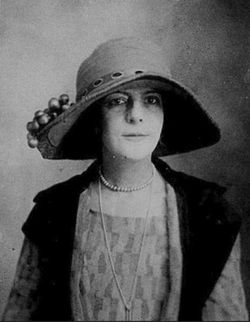
The Haunted ‘Iao Theatre and its Ghostly Stage in Wailuku

Advertisements

The old ‘Iao Theatre on Maui, Hawaii is said to be haunted by more than one ghost. Who is the misty face people catch in photos, and who was Emma, said to still be dancing on the stage? 

In Wailuku, Maui, the Iao Theatre holds plenty of historic charm and spectral mystery. This Spanish Mission-style theater opened its doors in 1928, has long been a cultural hub, showcasing movies and vaudeville performances. 

Read More: Check out all ghost stories from the USA

However, behind its elegant facade and beneath the bright lights of its stage lies a chilling history of hauntings that continue to intrigue and unsettle visitors to this day. It is believed to be haunted by ghosts that make things fly off shelves and cause chaos in the dressing room, making people not wanting to spend any time alone in certain parts of the building. 

The Storied Past of ‘Iao Theatre

The Iao Theatre’s journey began in the late 1920s, quickly becoming a beloved venue for both movies and live performances. The name comes from a small bait fish named the iao. For decades, ‘Iao Theatre thrived as a center of entertainment, during the world the USO put on Frank Sinatra, Bob Hope and Betty Hutton, but by the 1980s, the theater had fallen into disrepair. ‘Iao Theatre closed the doors in the 70s, and nothing was happening until someone took it upon themselves to restore it to its former glory.

Read More: Check out all haunted theaters

Despite this decline, the theater’s significance was recognized, and it was added to the National Register of Historic Places in 1995. Following this, efforts to restore the theater brought it back to life, but with its revival came the resurgence of ghostly tales that have plagued the theater for years.

The Lady of the ‘Iao Theatre

Among the most frequently reported apparitions is that of a misty, female figure. Described as having a friendly and gentle presence, this ghostly lady is often seen sitting quietly in the theater seats, watching the stage even after the audience has long gone. Some have even spotted her on the stage itself, her form barely visible through the haze, as if she’s still performing for an unseen crowd.

Her exact identity remains a mystery, but her presence is so common that she has become an integral part of the theater’s lore. They now call her Emma, and is believed to be one of the unknown flappers and actresses that took part in the productions in the 1920s and especially during productions like Chicago and Cabaret her ghost would make herself known. 

Once she was making production harder for the theater company and they started to call out different names to make her stop. Lights were flickering, the electric equipment would malfunction. It was a sense of paranormal relief when they called out Emma, and it is said that ever since, she has stopped messing with production. 

Cold Spots and Eerie Sensations

It is not only the mysterious ghost of Emma on the stage that are said to be haunted. The lower levels of the ‘Iao Theatre are particularly notorious for paranormal activity as well. People have reported unexplained cold spots, even in the heat of summer, and a pervasive sense of being watched. These sensations are often accompanied by the faint sounds of footsteps and whispers, as if the ghosts are trying to communicate with the living.

There are many speculations about where this haunting comes from, some of them dating further back than the theater itself. It is believed that the ghosts lingering are the spirits of Hawaiian soldiers that died during a battle in the Iao Valley many centuries ago.

The Ghostly Mist

In addition to the apparitions and cold spots, a mysterious mist has been reported swirling through the ‘Iao Theatre, particularly around the seats and stage. This mist is often seen late at night, moving in unnatural patterns and disappearing as quickly as it appears. Witnesses describe it as a translucent, almost ethereal fog that seems to have a mind of its own.

One visitor is said to have captured a photo of the mist while attending a performance. When they reviewed the picture, they were shocked to see a face forming within the mist, looking directly at the camera. 

Despite its haunted reputation, the Iao Theatre remains a beloved cultural landmark. It continues to host performances, drawing in audiences who come for both the shows and the chance to experience its ghostly residents. The spirits, it seems, are as much a part of the theater’s fabric as the curtains and the stage.

More like this

Newest Posts

References:

ʻĪao Theater – Wikipedia 

Maui’s ‘Iao Theater Stars in SYFY Ghost Story Episode

History | Maui On Stage 

The Insane Ghosts Haunting the Aradale Lunatic Asylum

Advertisements

Looming on top of a hill in Victoria, Australia, the former Aradale Lunatic Asylum cast long shadows for over a century. Something between a prison and a hospital, many of the patients, or inmates as they were called, never left. 

Aradale Lunatic Asylum used to be a place where the boundaries between sanity and madness were blurred. Built in the late 1800s in Ararat, a rural city in south-west Victoria, Australia, the asylum was once the largest mental institution in the southern hemisphere, housing thousands of patients over the years, although it was designed for few hundreds. 

Read More: Check out all ghost stories from Australia

Perhaps to no one’s surprise, the Aradale Lunatic Asylum is now believed to be haunted and behind the walls of this imposing structure, there were stories of neglect, abuse, and tragedy that have left an indelible mark on Australia’s haunted past. 

Aradale Lunatic Asylum: Aradale was initially constructed as the Ararat Lunatic Asylum between 1864 and 1867 to a design attributed to the Public Works Department architect JJ Clark under the direction of William Wardell. The earliest buildings include the vast main building with its towers, the kitchen and dining room block, the gate lodges and extensive remnants of the encircling ha-ha wall. //Source: Wiki

Brief History of Aradale Lunatic Asylum

Aradale Lunatic Asylum was established in 1865 as a place to house the “insane” of Victoria. People had flocked to the area in the 1800s in the Gold Rush that ran out in the 1880s. The asylum was built on a sprawling 67-acre estate in Ararat, about 200 kilometers from Melbourne. The asylum was designed to be self-sufficient, with its own farm, bakery, laundry, and even a chapel over 70 different buildings. At its peak, Aradale had a population of over 1,000 patients, many of them criminally insane.

Read More: Check out more haunted asylums around the world

The Aradale Lunatic Asylum was initially created to provide care for the mentally ill, but it soon became overcrowded, and patients were subjected to inhumane treatment. As Australia was founded as a prison colony, there were a lot of inmates, and some more insane than others. Usually, the mentally ill served time in common prisons, but this place needed someplace safe to put the criminally insane as well as the lawfully ‘lunatics’. 

The Old Aradale Lunatic Asylum: circa 1900

The asylum was notorious for its use of electroconvulsive therapy and other forms of brutal “treatments” that left patients traumatized and scarred. The asylum was also known for its high death rate, with many patients dying from neglect, malnutrition, and disease.

Despite its dark history, Aradale Lunatic Asylum remained operational until 1993, when it was finally closed down due to changes in mental health care practices. In 2001, it became a campus of the Melbourne Polytechnic. 

Today, the abandoned asylum stands as a grim reminder of a bygone era, and its decaying buildings and haunting atmosphere attract visitors from around the world.

Ghost Town: The estate of Aradale Lunatic Asylum was huge, and worked almost like a little village.

Dark events and mistreatment of patients

Aradale Lunatic Asylum has a dark history of mistreatment and neglect of patients. The asylum was overcrowded, and patients were often subjected to brutal “treatments” that left them traumatized and scarred. Electroconvulsive therapy, insulin shock therapy, and lobotomies were all used as treatments for mental illness, despite their harmful effects on patients.

Insulin Shock Therapy: Insulin shock therapy is terminated by administration of glucose through a ‘gavage’ tube, in Lapinlahti Hospital, Helsinki in 1950’s

In addition to the brutal treatments, patients at Aradale Lunatic Asylum were subjected to neglect and abuse. Many patients were left to languish in their own filth, and some were even chained to their beds for days at a time. The asylum’s staff was known for their cruelty, and patients were often subjected to physical and emotional abuse.

In 1991, Health Department Victoria received an anonymous tip off regarding how badly things were at Aradale. Allegations include sexual and physical abuse, unprofessional medical procedures, unprofessional nursing practice, fraud, and theft of both inmate and Government funds and property.

They found that the average length of stay at Aradale for psychiatric patients is 23.3 years, or 54 times the acceptable WHO International Standard of 150 days.

Haunted Stories and Paranormal Activities from the Asylum

Aradale Lunatic Asylum is known for its haunted stories and paranormal activities. From its opening to closure, some say that over 13 000 people died in the asylum. Official sources claim there were about 3000. Over the years, visitors and paranormal investigators have reported strange occurrences, including unexplained noises, apparitions, and feelings of being watched. Many people believe that the asylum is haunted by the ghosts of former patients and staff.

The Ghost of Governor Fiddimont

One of the most famous ghost stories from Aradale Lunatic Asylum is a governor said to be haunting some stairs close to the Old Underground Kitchen. George Fiddimont was the last Governor of the gaol (prison) that the asylum was built around. In 1886, George was showing two ladies around the asylum after accepting a prisoner and was walking down some stairs. While walking, he fell and died of a heart attack at the foot of the stairs. 

He was only Governor for a year, but after his sudden death, it is said that he is behind the heavy footsteps of hobnailed boots you can hear on those stairs. But when they go to check who is coming down the stairs, there is no one there. 

The Curious Case of Gary Webb

As mentioned, a lot of the patients were actually inmates and considered criminally insane, but needed to serve their time in something else than a normal prison. His real name was Garry Ian Patrick David, born in 1954 in Melbourne and had a troubled childhood. His journey with Aradale Lunatic Asylum all started when he tried to rob a pizza shop in 1982 in Rye, Victoria. As he was fleeing, he shot a police officer and the owner of the shop. The police officer lived, the woman owning the pizza shop ended in a wheelchair. Gary was caught and sentenced to 14 years in prison. 

Source

He could have gotten out much earlier, but he started to write these weird letters to the media. One was titled Blueprint for Urban Warfare where he told about horrible things he would do if he ever got out like massacres, bombing buildings, poisoning water supplies and having cigarette machines dispensing fingers. People started to worry and they passed a law to keep him locked up for the rest of his life. 

His behavior became more erratic and he started to harm himself, landing him in the hospital over 70 times He self mutilated, swallowing razor blades and corrosive liquids, hammering nails into his feet and even castrated himself three times, where the third time, they were unable to attach his penis. 

After he died at 38 in 1993 after swallowing razor blades, it is believed he stayed in the asylum he never escaped from, haunting his former room at Aradale Lunatic Asylum. Those who have visited the room have heard someone screaming at them to get out as well as a push, trying to get them out the door. 

The Haunted Superintendent Office

Those walking past the room that used to be the former Superintendent at Aradale Lunatic Asylum have come back with strange tales. It’s more of a feeling and sensation than something they see or hear. 

Some believe it must be the energy of Dr. William L. Mullen who was the medical superintendent. Severely depressed, he ended his life by swallowing cyanide in 1912. He was found in his bed by his housekeeper the next morning. 

Why he did this is not known to the public. He had lost his first wife a little over a year before his death. He had remarried three weeks before his death, but still chose to end his life and is thought to haunt the asylum. 

Nurse Kerry in the Women’s Ward

It’s not just a single room or hallway said to be haunted by Nurse Kerry, but the entire ward. Guides and visitors claim to have seen a woman wearing an old fashioned nurse uniform and her heels are clicking in the halls as she is still going about her duty in her afterlife. She is seen vanishing into thin air as she passes through the thick stone walls and whispering softly to her patients as she did in life. 

Although she is said to be a helpful ghost at Aradale Lunatic Asylum, people also claim to feel a tingling sensation in their head when entering into the shock therapy room and the surgery theaters. 

Nurse Kerry is probably a name given after she started appearing as a ghost, but it is said that she used to work at the asylum in the 1800s, said to might have died of typhoid. 

The Notorious J Ward for the Criminals

Another ward thought to be haunted is the notorious J Ward where they kept the criminally insane. It used to be The County Gaol before temporarily being a place where they kept the criminally insane. The temporary solution ended up lasting for a long time. People report feeling suddenly ill and full of terror as they enter the building. There are those claiming to have been bitten or pusheed as they walk through the J Ward. 

The haunting from the ward could come from numerous people that were kept here. Some say that it is the ghosts of three prisoners who were hanged and buried on the property. Because they weren’t buried properly with graves only marked with three scratches on the prison wall, they are lingering. 

There are listed three executions on the J Ward, of Andrew Vere in 1870 who shot and killed a person, serial killer Robert Francis Burns in 1883 and Henry Morgan in 1884 who cut throat murdered 10 year old Margaret Nolan after sexually assaulting her. 

All three executed prisoners were buried within the walls of the prison in accordance with the Criminal Law and Practice Statute 1864 and are now laid to rest in Old Ararat Cemetery in marked graves. 

Aradale Lunatic Asylum – a cautionary tale

Aradale Lunatic Asylum is a cautionary tale of the mistreatment of the mentally ill and the dangers of unchecked power. One often think that this type of institutionalised tortur only happened back in the olden days, but the last damning report of the asylum was only a couple of decades ago.  

The asylum’s dark history is a reminder of the importance of treating mental illness with care and compassion, and of the need for oversight and accountability in mental health care practices. As we explore the abandoned halls of Aradale, we are reminded of the lives that were lost and the suffering that occurred within its walls. 

Newest Posts

References:

Aradale Mental Hospital – Wikipedia

15 Sep 1886 – SUDDEN DEATH OF THE GOVERNOR OF ARARAT GAOL. – Trove

Garry David – Wikipedia

J Ward – Wikipedia

Robert Francis Burns (1840-1883) – Find a Grave Memorial

Henry Morgan (1838-1884) – Find a Grave Memorial

21 Aug 1912 – SUICIDE OF A DOCTOR. – Trove 

suicide of a doctor – Newspapers.com™

The Haunted History of Hawaii’s Plantation Village

Advertisements

In a former plantation village, staff reports on strange things moving in the empty museums homes, mystic bruises and haunted legends. Perhaps the workers on Hawaii’s Plantation village on Oahu never left?

In Waipahu, Hawaii, lies a place where history and the supernatural intertwine—the Hawaii’s Plantation Village. This unique tourist attraction of the last sugarcane plantation town in Oahu offers a glimpse into the past, re-creating the life of a 1900s sugar plantation with 25 meticulously restored buildings and homes. While the village serves as an important cultural and historical site, it is also reputed to be one of the most haunted locations in the Hawaiian Islands.

Read more: Check out all ghost stories from the USA

Much helped by the Haunted House show they put on every Halloween, the stories of the ghosts goes way back to when the plantation workers lived and worked in the village and fields surrounding it. 

The Plantation Past of Hawaii

Hawaii’s Plantation Village once housed plantation laborers from 1850 to 1950 working on the sugar plantations. The workers were from all over the world, Chinese, Korean, Japanese, Portuguese, Puerto Rican, Filipino as well as native Hawaiians. 

Hawaiian Plantation Village: Source/Flickr

The 50-acre Hawaii’s Plantation Village was established to preserve and present the diverse heritage of Hawaii’s sugar plantation workers as well as the life of the immigrants as it was back then. Each building and home in the village tells a story of hardship, community, and the blending of cultures that shaped modern Hawaii. However, these buildings also seem to hold onto the spirits of those who once lived and toiled within their walls.

Unexplained Phenomena of the Hawaii’s Plantation Village

Visitors and staff have reported a variety of eerie experiences that suggest the village is more than just a historical exhibit. There are today 25 of the plantation houses standing, at least half of them are believed to be haunted and many of the staff working there have gotten their faith and skepticism challenged by all the strange things going on there. 

The houses are named after the nationalities of those who lived there, and they each have their particular haunting:

The Portuguese Home

The first home in white painted wood in Hawaii’s Plantation Village is the Portuguese home after passing the temple and Japanese shrine. The Portuguese workers came to Hawaii after a blight that destroyed their vineyards and livelihood in their home country. The Portuguese were luckier than some of the other workers based on their working conditions, and was one of the few nationalities allowed to bring their families.

The place is thought to have some of the more haunted places in the Hawaii’s Plantation Village. Curtains in the Portuguese home are said to move on their own, even when there is no breeze. Witnesses have described the fabric swaying as if touched by unseen hands.

There are stories about the ghost of a small girl dressed in white haunting the house. She remains nameless, but a present ghost, said to be playfully playing with children and appearing in front of their mothers and mother-like women. 

According to the stories about her, she never had a mother when she was alive, as she was abandoned by her own as a newborn and according to rumors, it was because of her misshaped head. She was raised with her father inside of the home in the Hawaii’s Plantation Village who hid her from the neighbors and tied his daughter to a table or chair when he had to leave for the day to work in the fields.

One day a fire broke out and the workers rushed back to put out the flame. The father realized he had two choices. He could either rescue his daughter, or leave her inside to be free of her. He decided to leave her and she died in the flames. 

Portuguese Home: One of the houses in the Hawaii’s Plantation Village thought to be haunted by a little girl. // Source: Flickr

According to the executive director of the village, Jeffrey Higa, they started to investigate the paranormal claim after a woman felt a presence and swore to never step foot into the house ever again. 

They invited Rev. Kahu Silva who claimed to feel the presence of a male ghost in the house and blessed the house with holy water on every window and door as well as ti leaf and Hawaiian salt to rid the house of malevolent spirits. It was also he who told about the history behind the girl ghost. 

The female spirit is supposedly still lingering in the house, and Higa describes her as a good spirit. For most parts, some of the workers have decided to quit as well after experiencing strange things going on in the house. A couple of the actors in the Haunted House show suddenly got strange bruises on their legs, as if someone had grabbed them. 

The Japanese Home

In Japanese Home, often also called the Okinawan Home as many of the workers were from there, the sound of pots and pans banging is often heard when no one is present. These disembodied noises are thought to be the restless spirits of former inhabitants, continuing their daily routines from beyond the grave.

Japanese Home: This haunted house in the Hawaii’s Plantation Village is said to be haunted by a choking ghost. // Source: Flickr

There was once a worker at the museum who claimed that a choking ghost followed him home after a shift at the village. Another female actor also got trouble with her breathing and felt a strong pressure on her neck in the house and never came back. 

The Filipino Home

Doors in the Filipino Home are known to unlock and open by themselves. Despite being securely locked, these doors seem to have a mind of their own, swinging open to the astonishment and sometimes terror of those nearby.

The most chilling accounts around the Filipino Home involve sightings of a woman dressed in 1930s-style clothing. This apparition is often seen wandering through the village, her period attire suggesting she is a spectral remnant of the plantation’s heyday. Visitors have reported seeing her both inside buildings and walking the grounds, vanishing into thin air when approached.

A Living Legend of History of the Hawaii’s Plantation Village

Hawaii’s Plantation Village is more than just a museum; it is a living legend where history and the supernatural coexist. As well as a very successful haunted house during Halloween times. But how about the haunting the rest of the year? The apparitions, moving curtains, clanging pots, and self-unlocking doors all point to the possibility that the souls of those who once lived and worked here have not entirely departed. 

More like this

Newest Posts

References:

https://www.honolulumagazine.com/scary-ghost-stories-from-hawaiis-haunted-plantation-village/

Hawaii’s Plantation Village | Waipahu, Hawaii | Attractions – Lonely Planet 

Part 4 of The Waipahu Plantation Village | kareninhonolulu 

Haunted Hawaii Plantation Village – Paranormal 

The Haunted Halls of Hawai’i State Capitol: A Ghostly Visitor from the Past

Advertisements

The old government building in Hawai’i is said to be haunted. Who is wandering the halls of the Hawai’i State Capitol building? 

The Hawai‘i State Capitol building in downtown Honolulu, is more than just a hub of political activity—it’s a place with a reputation for ghostly encounters and eerie tales. 

Read More: Check out all ghost stories from the USA

It was built in the late 1960s to move the location of the statehouse from the Iolani Palace, also believed to be haunted. Among the historic architecture and government offices, there have been whispers of strange happenings and spectral visitors, making it one of the most haunted spots in the area.

The Hawai‘i State Capitol: This building, known for its eerie tales and ghostly encounters, showcases its distinctive architecture during a stunning sunset. Who is really haunting this place?

The Story of a Friendly “Imaginary Friend”

One of the most intriguing stories of the Hawai‘i State Capitol being haunted comes from former State Senator Eloise Tungpalan, who frequently brought her young daughter to the Capitol building when she was working. One day, while working in her office, Tungpalan noticed her daughter talking, laughing, and playing with an invisible companion. Her daughter seemed to be bouncing a ball, interacting with someone who wasn’t there. Curious, Tungpalan asked her daughter who she was playing with. The girl replied, “The nice Hawaiian lady.”

At the time, Tungpalan didn’t think much of it. Perhaps it was just a child’s imagination running wild in the vast, quiet halls of the Capitol building. However, the very next morning, something happened that sent a chill down her spine. As they walked by the statue of Queen Lili‘uokalani in front of the State Capitol, her daughter suddenly pointed and said with wide eyes, “Mom, that’s the lady who played with me at the office.”

Read Also: The Haunting of ʻIolani Palace: Echoes of Royal Spirits

Could the former queen’s spirit be watching over the halls of power? Queen Lili‘uokalani, the last reigning monarch of the Kingdom of Hawaii, remains a deeply respected and beloved figure. Many believe her spirit continues to linger near places of governance, symbolizing her enduring watch over her people and homeland. To this day, some employees and visitors claim to feel an inexplicable presence near the Queen’s statue or hear soft footsteps echoing through the halls late at night.

Queen Liliʻuokalani: Lydia Liliʻu Loloku Walania Kamakaʻeha (1838 – 1917) was the only queen regnant and the last sovereign monarch of the Hawaiian Kingdom, ruling from January 29, 1891, until the overthrow of the Hawaiian Kingdom on January 17, 1893. The composer of “Aloha ʻOe” and numerous other works, she wrote her autobiography Hawaiʻi’s Story by Hawaiʻi’s Queen (1898) during her imprisonment following the overthrow.

Other Hauntings at the Capitol

The story of the Queen’s ghostly playdate isn’t the only supernatural tale whispered about the State Capitol. Workers have reported hearing strange sounds, like voices muttering just out of earshot, or the faint rustling of papers when no one else is around. Lights flicker mysteriously, and sudden cold drafts are often felt in otherwise warm rooms. Some have even claimed to see shadowy figures moving down the hallways, vanishing around corners as soon as they come into view.

Some say that the building was built on top of a mass grave of people who died in the epidemic in 1822. 

This was also where the king’s guard once had their barracks and some think that the spirits of the guards are still lingering. There is also a security guard who supposedly died said to haunt the Capital as well as a construction worker, still working away, even in his afterlife. 

Newest Posts

References:

5 Haunted Downtown Honolulu Hotspots

Our Favorite Ghost Stories About Haunted Places on O‘ahu 

Hawaii State Capitol – Wikipedia

The 50+ Most Haunted Places in Oahu – 52 Perfect Days

The Haunted Banyan Trees on Manoa Falls Trail

Advertisements

On the popular hiking place, Manoa Falls Trail, the haunted legends have accumulated over the years. But how much of the ghostly tales of ancient warriors marching and strange haunting surrounding certain trees are actually true?

In the lush, verdant hills of O’ahu, the Manoa Falls Trail is a popular destination for hikers seeking to experience the natural beauty of Hawaii. The 2.6 km long trail takes you into the green lushness of Hawaii with the spectacular view of the 150 foot Manoa Falls at the end of the trail. 

The trail has been used as a filming location in Jurassic Park, Hunger Games and Lost, but it is also known for being haunted by the spirits of the ancient warriors of Hawaii. 

Read More: Check out all ghost stories from the USA

Beneath the canopy of tropical foliage and the sound of cascading water lies a chilling legend that has sent shivers down the spines of many who dare to tread this path. The trail is said to be haunted by the Hukai’po, or Night Marchers—spectral warriors of ancient Hawaiian lore.

Mānoa Falls Trail: The trail leading up to a 150-foot waterfall along the Manoa Falls Trail in Honolulu, Hawaii. Many tourists are attracted to the waterfall and the scenery throughout the trail leading to it. Swimming in the pool below the waterfall is highly discouraged because there is a threat of becoming infected with Leptospirosis.

The Haunted Banyan Tree

A massive banyan tree marks the beginning of the Manoa Falls Trail, said to be the place where the haunting seems to be concentrated. Even before starting the trail a sign says:

“Before entering the forest, we chant a pule pale (prayer of protection) to Laka, asking for her guardianship.”

It is from this Banyan tree, under the sprawling roots and branches, that many have reported encountering the eerie presence of the Night Marchers. The tree itself is a silent sentinel, its gnarled limbs reaching out like the fingers of the past, holding secrets of ancient rites and spectral passages.

Banyan Tree: What is is about Banyan Trees and haunted legends? One popular legend is that you are not supposed to sit under one of these trees at night because ghosts and other supernatural things live there. During the day the tree absorbs carbon dioxide and releases oxygen because of the sun. During night however, it releases the carbon dioxide that lowers the levels of oxygen human needs to breathe. This process can feel suffocating, lead to hallucinations, and in worst case scenarios, even death. Could this be the reason why there are so many stories connected to seeing ghosts, hearing voices and even reaching some sort of enlightenment?

The Legend of the Night Marchers

The Night Marchers, or Hukai’po, are the ghostly processions of ancient Hawaiian warriors. According to legend, these spirits are the guardians of Hawaiian royalty or even gods, and they continue their eternal vigil along sacred paths, including the Manoa Falls Trail. These spectral warriors march in formation, carrying torches, and their presence is heralded by the beating of drums and the blowing of conch shells.

Hikers have shared spine-chilling tales of their encounters with the Night Marchers. It begins with a sense of foreboding, a sudden stillness in the air, and the unmistakable sound of distant drums. The rhythmic beating grows louder, accompanied by the mournful wail of conch shells being blown. As the sounds intensify, an ethereal glow can be seen moving through the dense forest—torches carried by the ghostly procession.

Source

Those who have had the misfortune of witnessing the Night Marchers describe them as spectral figures with no legs, gliding silently along the trail. Their eyes burn with an otherworldly fire, and their faces remain stern and unforgiving. The most unsettling aspect of these encounters is the sense of imminent danger, as if one wrong move could provoke the wrath of these ancient guardians.

Rules of Survival the Hukai’po

According to Hawaiian lore, commoners were not allowed to look directly at the royalty, and the Night Marchers, as their protectors, would enforce this rule with deadly precision. To see the Night Marchers and to be seen by them is to invite certain doom. Therefore, those who hear the approach of these spectral warriors are advised to take immediate action:

Lay Down: If you hear the drums and conch shells, immediately lay flat on the ground.

Close Your Eyes: Do not look at the Night Marchers as they pass.

Remain Silent: Any noise or movement could draw their attention.

By following these steps, it is believed you can avoid the fatal gaze of the Night Marchers and live to tell the tale.

The Truth About the Night Marchers at Manoa Falls Trail

But how true are the claims of the Night Marchers that are said to travel the trail? According to one of the foremost paranormal storytellers and native, Lopaka Kapanui, there seems to be some doubt that this story comes from old legends but rather newer stories from modern times. 

Read More: Check out Huaka’i Pō – The Night Marchers of Hawaii for the full lore

According to him, the Night Marchers that go through the Banyan Tree are made up by a hiker or blogger, and that they march in group procession, never alone. Although today, the Banyan Tree is a stop on many ghost tours. But if it is not the ancient Night Marchers, then who could be haunting the trail?

The Ghosts of Hikers Haunting the Trail

There are not only holy spirits of the ancestral warriors of Hawaii said to traverse through this path. There are also reports about other hikers who fell from the dangerous cliffs along the trail that are said to haunt the place. 

Source

Although a short path the track can become slippery as you approach the falls and flash floods are also common in the area. Even swimming in the falls is considered dangerous because of the risk of deadly bacteria in the water. 

Thousands of hikers take the trip each year, and each year there will be some that won’t return. 

A Word of Caution

While the Manoa Falls Trail offers breathtaking views and a chance to connect with nature, it also carries the weight of history and legend. Those who venture into this beautiful yet haunted area are urged to respect the stories and traditions of the land. Whether you believe in the supernatural or not, the tales of the Night Marchers serve as a reminder of the rich cultural heritage of Hawaii and the spirits that continue to guard its sacred places.

Source

So, the next time you find yourself on the Manoa Falls Trail, remember the legend of the Night Marchers. Listen for the drums, heed the warning of the conch shells, and should you encounter the ghostly procession, lay down, close your eyes, and hold your breath until the ancient warriors have passed.

More like this

Newest Posts

References:

Haunted Manoa Falls Trail – Honolulu Ghost Tours 

Manoa Falls Trail – Wikipedia 

What you didn’t know about Manoa Falls Trail, one of Hawaii’s most popular hikes 

The 9 Most Haunted Places on O‘ahu

The Lady in Waiting: A Haunting at Honolulu Airport

Advertisements

As the planes takes off and lands at Honolulu Airport, the ghost of a woman is said to linger. Haunting the terminal, it is said she was left by her husband.

The Daniel K. Inouye Airport in Honolulu is a bustling hub, filled with the excitement and anticipation of travelers from all over the world. Honolulu Airport is especially busy for the romantic travelers and in 2021 for example more than a quarter of a million people traveled to Hawaii, either to get married or go on their honeymoon. 

Read more: Check out all ghost stories from the USA

But as the last flight of the night departs and the Honolulu Airport quiets down, a different kind of presence makes itself known—the Lady in Waiting said to haunt the airport after her lover abandoned her.

Source

The Legend of the Ghost who got Ghosted

The Lady in Waiting is a spectral figure, haunting the Honolulu Airport’s gates and terminals. Descriptions of her are eerily consistent: a blonde woman in a flowing white dress. Most often, she is seen standing at the gate, peering out at the runway as if waiting for someone. 

Read Also: Check out Los Rodeos Airport Ghost Passengers and The Spooky Rajeev Gandhi International Airport for more haunted airports.

Sightings of the Lady in Waiting are not limited to fleeting glimpses. She often appears as if lost, wandering through the terminal or standing by the windows, staring out onto the tarmac or other restricted areas. When approached, she simply fades away, leaving behind an overwhelming sense of loneliness.

Terminal 2 E Gates in the airport. Source

The story goes that she was once a beautiful young woman who either lived in Hawaii or at least stayed there. She is a ghost that remains nameless and timeless. According to the stories told, she fell deeply in love with a man who promised to marry her. They planned to start their life together, but he suddenly vanished without a trace after he got on an international flight and left her. 

Heartbroken and unable to cope with the loss, she took her own life. Despite her tragic end, her spirit lingers, eternally waiting for her beloved to return, even to this day.

Unsettling Phenomena at the Honolulu Airport

The Lady in Waiting is not the only ghostly presence felt at the Honolulu Airport. Staff and travelers have reported a series of unexplained and unsettling occurrences around the airports. Some say it is the woman in white doing it, but someone claims that this must be a different and much darker entity:

Toilet paper rolls unroll by themselves, and toilet seats slam down with no one around. There are also heard flushing of unoccupied toilets. These events often happen late at night, startling the cleaning crews and the few travelers passing through the deserted corridors.

Hawaiian cultural garden at the Airport. Source

Some people have reported feeling a heavy weight pressing down on their chest while they are having a quick nap in the airport, as if someone or something is sitting on them, causing a choking sensation. This terrifying experience often leaves the victims gasping for breath and too afraid to return to sleep.

Even more disturbing are the reports from the airport shuttle drivers. Late at night, some have glanced in their rearview mirrors of the Wiki-Wiki shuttles to find an extra passenger in the back seat—a ghostly figure that vanishes upon second glance. These sightings are often accompanied by a sudden drop in temperature, a chill that cuts through the tropical warmth of Honolulu.

The Waiting Continues for the Ghost

The Lady in Waiting remains a mysterious and tragic figure at the Daniel K. Inouye Airport. Her presence serves as a haunting reminder of unfulfilled promises and unending grief. While many travelers come and go at Honolulu Airport, the Lady in Waiting stays, her ghostly vigil continuing night after night, year after year.

More like this

Newest Posts

References:

 Inside America’s most haunted airport where a ‘ghost’ chokes sleeping passengers and another unravels toilet paper | The US Sun 

The 100 Ghost Stories in Dragsholm Castle in Denmark

Advertisements

Said to house over a hundred ghosts, Dragsholm Castle in Denmark is said to be one of the most haunted in the country. A prison for both traitors of country and heart, there are many lingering in the now modern hotel rooms. 

Dragsholm Castle is a stunning 800-year-old fortress that has played host to royalty, nobility, and even prisoners in the picturesque Danish countryside of Zealand. But beneath its grandeur and beauty lies a dark and chilling secret. For centuries, the castle has been haunted by ghosts and spirits, with tales of mysterious apparitions and unexplained occurrences leaving visitors trembling with fear. 

From the headless ghost of a former nobleman to the restless spirits of prisoners who died in the castle’s dungeons, Dragsholm Castle is a fascinating yet terrifying place that has captured the imagination of many. 

Dragsholm Castle: An 800-year-old fortress in Denmark, surrounded by lush greenery and a serene waterway, known for its haunting history.

The Bloody History of Dragsholm Castle

Dragsholm Castle has a long and fascinating history, dating back to 1215 when it was first built as a fortification. The name Drag, comes from draugh and is the narrow strip of land  Over the years, it has been modified and expanded to become the magnificent castle that we see today. Originally, the castle was owned by the powerful Bishop of Roskilde, but it was later taken over by noble families who used it as their residence. It was actually the oldest secular building in Denmark.

Read more: Check out all ghost stories from haunted castles around the world

During a war known as The Count’s Feud in the 1530’s, it was the only castle in Zealand to remain standing. It also lived through all of the wars between Sweden and Denmark

View of the Danish Countryside: A scenic view of the lush landscape surrounding Dragsholm Castle, showcasing the tranquility of the Danish countryside. // Source: Wiki

During the 16th and 17th centuries, Dragsholm Castle was used as a prison for nobility who had fallen out of favor with the Danish monarchy. Many of these prisoners were held in the castle’s dungeons, where they were subjected to horrific conditions and died from disease, starvation, and torture.

Ghost Stories From Dragsholm Castle

It is no surprise that a castle with such a dark history is believed to be haunted. There have been countless reports of ghostly sightings and unexplained phenomena at Dragsholm Castle over the years, making it one of Denmark’s most famous haunted locations.

Dragsholm Castle has turned into a hotel and restaurant today, and many of their guests experience strange things. Water taps turn on in the night, mirrors and pictures on the walls starts swinging. The castle is said to be home to over 100 ghosts, each with their own terrifying story.

The Bishop Ghost in the Tower

It is said that one of the last Bishop of Roskilde haunts one of Dragsholm Castle’s towers. According to the stories Joachim Rønnow was imprisoned in these when the castle was seized by the Danish king in the reformation. Today, they have turned into hotel rooms. 

Guests staying at the tower claim to have heard the moaning of the bishop as well as wailing sounds from the hallways on the second floor. Still haunting the place he once owned. 

Joachim Rønnow: 1500-1542 was a Danish Bishop, last of the Catholics Bishops in Roskilde. He was captured with other bishops and he died in prison. Although the legend says he died in Dragsholm Slot, it was also said he died in Københavns Castle, May 1, 1542. history claim that his first year of imprisonment was at Dragsholm, then at Københavns castle, Kronborg and in the end, Visby. In 1533, the Danish theologian Hans Tausen was convicted of blasphemy, and this caused an oproar in the Protestant city of Copenhagen. The scene shows Tausen defending Joachim Rønnow, bishop of Zealand, against the mob.

The Ghost of the Mad Squire Ejer Brockenhuus

One of the King’s confidants when alive, Brockenhuus was set for a comfortable life. In the end he blew it with the kind and ended up in prison because of his incestuous affairs. He enjoyed blowing up dynamite by setting pipes on fire and abused his servants, raped and killed his sister. He may or may not have also impregnated her and had an affair with his brother in law’s widow. In church he invited people to his funeral before he jumped out from the coffin in front of the horrified spectators.

The Noble Broockenhuus Family Crest

He is known as the Mad Squire because he went mad as time went by in the prison. In the end he was only able to cry out bitter and hurtful words and held his own council and dialog no one could follow. Still to this day it is said you can hear him rambling in the corridors close to where his cell used to be. 

The Mummified Ghost of the Earl of Bothwell

Another ghost said to haunt the castle is James Hepburn, also known as the 4th Earl of Bothwell and perhaps best known as the third husband of Mary, Queen of Scots. 

In his lifetime, he was engaged to a Danish-Norwegian woman called Anne Rustung. When he went back to Scotland though, he was planning to marry Mary, Queen of Scots, but brought Anne’s dowry with him. He was accused of murdering Lord Darnley, the second husband of the Scottish Queen and captured in Bergen port in Norway, then a Danish territory. The humiliation was big for Anne and her father tracked the Earl down and punished him by imprisoning him. He was chained to a pillar and left to die and died at 44 years old. 

His mummified body is kept close by at Faarevejle Church and is believed to haunt the castle. He is also seen entering the castle in a horse drawn carriage through the courtyard, although there hasn’t been horses on the site in years. 

The White Lady of Dragsholm Castle

One of the most famous ghosts at Dragsholm Castle is the White Lady and no European castle is complete without its own version. Legend has it that she was a beautiful noblewoman who fell in love with a commoner who worked at the castle, although she was betrothed to another noble family. Most English sources would have you think her name was Celina Bolves for some reason, but there are no Bolves nobles in Denmark.

Her name was actually Celestine Mariann de Bayonne Gyldenstierne, daughter of Mogens Gyldenstierne. She had fell in love with a man working in the stables and fell pregnant around 1550. She was already promised to another noble family and her father was furious when he found out. He told her to go to Slesvig to have the child in secret and threw her a going away party. This was the last time anyone saw her.

She never went to Slesvig. Her father drugged her wine with opium and locked her away in one of the castle’s towers. She was never seen again, and it is believed that she died of starvation and despair as it is said they built a wall around her and chained to the wall, she was left to starve. 

But is the story true? Mogens Gyldenstierne was certainly a real man, and is said to have around 20 kids, although this daughter is not really mentioned anywhere, and neither is it said she entombed someone either.

Can the lady in white then be Magurite Dåe as some sources claim? She was a noble woman in the 1600 and fell in love with Count Maurice Lejonhuvud who was weak of syphilis. Her father forbade her to marry him. Defiant, she threw herself into a dance at a ball at Dragsholm Castle they attended in 1641. The dance was so intense, her tuberculosis lungs couldn’t handle and she fell dead on the floor. Now she is said to seek out young men that look like her count.

This story became popular in 1912 when the plumbing of the castle got an upgrade. They were adding a toilet in the room and removed some of the bricks. Behind the wall a skeleton was discovered. No matter who the Lady in White is said to be, there truly was a skeleton of a real human hidden in the castle walls.

Her ghosts are said to wander the castle’s halls, wearing a white dress and carrying a candle. Many visitors claim to have seen her ghostly figure, and some have even reported feeling a cold breeze or hearing her soft footsteps. When the castle turned into a hotel, many men woke up in their room to find the ghost of the lady in white looking at them at the end of their bed.

The Grey Lady of Dragsholm Castle

Another famous ghost at Dragsholm Castle is the Grey Lady. There are some conflicting stories about who she was, especially when looking at English sources and Danish sources. Many English sources tell that she was a former maid said to be very beautiful who worked at the castle during the 19th century. According to legend, had a toothache and got help from the master of the castle. He did relieve her pain for a while, but the infection caused her death. When she died a little later, she came back as the castle’s protector and is seen at night, guarding the castle, still cheerful as she was in life. 

However when looking at the Danish sources, they tell a different story. Here she gets a name, Louise Katrine Jensdatter. She was from a poor family and started as a maid at the castle. She was caught stealing silver and thought she would be punished. The Housekeeper took pity on the poor girl and gave her a new chance and responsibility. Louise rose to the occasion and worked hard at the castle for many years.

She was working as the Housekeeper at the castle when the Swedish attacked in 1659. She had to watch the Swedish soldier kill her little children and husband in the courtyard after raping her. She is said to have died soon after, either from fright or in the fire that consumed the castle after the attack.

People working in the castle can still feel her presence, especially when something goes wrong and she is there to remind the staff the proper way to take care of the castle.

Paranormal Activity at Dragsholm Castle

Despite its age and the many ghost stories associated with it, Dragsholm Castle remains a popular tourist destination. It is to this day the Bøtteger family who owns it and uses it as a luxury hotel. 

Source: Wiki

Visitors come from all over the world to experience the castle’s haunting atmosphere and to try and catch a glimpse of its ghostly inhabitants. Over the years, there have been many reports of paranormal activity at the castle, including strange noises, unexplained movements of objects, and even sightings of ghostly figures. Many paranormal investigators have visited the castle to try and capture evidence of these ghostly occurrences, and some believe that the castle is one of the most haunted locations in Europe.

Read More: Check out all haunted hotels around the world

Dragsholm Castle is a fascinating and terrifying place that has captured the imagination of many. Its haunting beauty and dark history make it one of Denmark’s most famous landmarks, and its ghostly legends continue to intrigue and terrify visitors to this day. Whether you believe in ghosts or not, there is no denying the eerie atmosphere that permeates the castle’s walls.

Newest Posts

References:

Norske slott er fulle av spøkelser | historienet.no

I seng med spøkelser

Mogens Gyldenstierne – Wikipedia, den frie encyklopædihttps://nyheder.tv2.dk/samfund/2014-12-01-dragsholms-dramatiske-historie-hjemsoegt-besat-og-braendt

The Green Lady of Wahiawa: A Ghostly Guardian of Hawaii’s Rainforest

Advertisements

Covered in leaf and seaweed, the Green Lady of Wahiawa is said to haunt the forest on O’ahu Island in Hawaii. Once a mother who lost her children, she is still searching for them. 

Visitors to the lush and enchanting rainforest of Wahiawa, Hawaii, should tread carefully, for the Green Lady of Wahiawa might be watching, though to especially in the gulch in Wahiawa, a town on the on the plateau or “central valley” between two volcanoes on O’ahu Island. Lakes and reservoirs are rare in Hawaii, and Wahiawā is unique in being surrounded on three sides by Lake Wilson (also known as Wahiawā Reservoir or Kaukonahua). This is the type of environment as well as in the greenery of the forest where the Green Lady is said to reside. 

Read More: Check out all ghost stories from the USA

Cloaked in leaves, moss, and grass, with green skin and seaweed tangled in her hair, the Green Lady of Wahiawa is a spectral figure who has haunted these verdant landscapes for centuries. Her presence, while tied to the natural beauty of the region, brings an eerie and unsettling air to the forest.

The Green Lady of Wahiawa: The legend talks of a green lady, wandering through the lush forests in Wahiawa and through the waters. Here from Wahiawa Botanical Garden – shady park view. // Wikimedia

The Tragic Legend of a Mother’s Grief

The Green Lady of Wahiawa’s story is one of sorrow and loss, seemingly rooted in Indigenous Hawaiian folklore, however, with a modern twist as most legends mention her deep fear of cars and that she would often cross the gulch instead of crossing the bridge because of it. 

Source

According to legend, she was once a loving mother who ventured into the forest with her children. However, a tragic turn of events led to the loss of her children amidst the dense foliage, some claimed they disappeared in the gulch. Heartbroken and desperate, she spent countless years wandering the woods in search of them. 

Over time, her grief transformed her into a creature of the forest, forever intertwined with the greenery around her. In some variations she was mad about no one helping her find her child, so she went deeper into the forest and was never heard from again.

A Mother’s Eternal Search

In her eternal quest to find her lost children, the Green Lady of Wahiawa has become a part of the forest. Her appearance, now as green as the leaves she is draped in, mirrors the foliage of her surroundings. She is also sometimes described with green and fish-like scales and her hair covered in seaweed. Her smell of rot comes from the rotted plant covering her body.

Yet, her transformation has rendered her a desperate and sorrowful figure. Legend has it that in her unending search, she will grab any child she comes across, hoping to find her own lost offspring. This tale has instilled a sense of caution and fear among those who venture into the Wahiawa forest, particularly those with young children. The legend of the Green Lady has also spread to Wahiawa’s elementary school not too far from the gulch.

Background for the Legend of the Green Lady of Wahiawa

Where does this legend come from? Is it simply a legend told to help children away from the gulch? It is seemingly a pretty new legend as the mention of cars are a big part of the lore. It is pretty different from the Green Lady of Europe, where she most often is a noble woman in Scotland. But is it really a Hawaiian creature? 

It looks more like the Japanese mythological creature called the Kappa, and some sources even call the Green Lady of Wahiawa the Hawaiian Kappa. This water creature is a child snatching a turtle-like humanoid. Japanese folklore and mythology has influenced a lot of the modern Hawaiian ghost stories because of immigration and there are plenty of quintessential Japanese ghost stories found in Hawaii, or merged with Hawaiian culture like the story of the Green Lady.

Kappa: In traditional Japanese folklore a kappa (河童, “river-child”) s a reptiloid kami with similarities to yōkai. Kappa can become harmful when not respected as gods. Accounts typically depict them as green, human-like beings with webbed hands and feet and turtle-like carapaces on their backs. A depression on the head, called a “dish” (Japanese: sara), retains water, and if this is damaged or its liquid is lost (either through spilling or drying up), a kappa becomes severely weakened.

The sighting of the Green Lady of Wahiawa goes at least as far back as 1957, when some children were questioned by the police after claiming to have seen her in the gulch behind the school gymnasium. 

Is the legend of the Green Lady of Wahiawa a dying legend though? The last reported sighting is sad to have happened in the mid or perhaps late 1980s. But still, children and teens keep challenging each other to run across the bridge that runs over the gulch where she is said to roam. 

More like this

Newest Posts

References:

The Green Lady Of Wahiawa – Information

The Green Lady – The Mask of Reason  

Folklore in Hawaii – Wikipedia 

https://njahs.blogspot.com/2011/01/kappa-and-haunted-ponds-of-hawaii.html

The Haunting of ʻIolani Palace: Echoes of Royal Spirits

Advertisements

The last royal palace of the Kingdom of Hawaii, the ʻIolani Palace in Honolulu is believed to be haunted by its former royalty, still dreaming of an independent Hawaii. 

On Oʻahu in Hawaii, ʻIolani Palace stands as the last palace of the Hawaiian kingdom, its rich history and cultural heritage of Hawaii in downtown Honolulu. As the only royal palace in the United States, it is not just a symbol of the Hawaiian monarchy but also a reputedly haunted site, where the spirits of Queen Liliʻuokalani and other Native Hawaiian royalty are said to linger.

Source

The History of ʻIolani Palace

Built in 1844, ʻIolani Palace or the Hale Aliʻi ʻIolani, was the official residence of the Hawaiian Kingdom’s last two monarchs, King Kalākaua and his sister and successor, Queen Liliʻuokalani. 

The ʻIolani Palace was originally built for Victoria Kamamalu, a princess. Kamehameha III bought the place and used it as his royal residence after moving to the capital. Much of the palace we see today was built in a European way in order to make them see their Kingdom and their palace as a valid one. 

The palace witnessed both grandeur and tragedy, from lavish royal balls to the overthrow of the Hawaiian monarchy on January 17th in 1893 by the USA, throwing Hawaii into five years of rebellions, guerrilla warfare and assassinations. 

Read More: Check out all ghost stories from the USA

Queen Liliʻuokalani herself was imprisoned within its walls after the coup for nine months, a period marked by deep sorrow and resilience as the people behind the coup wanted to turn them into their figurehead .

The building was used as a capitol building for the provisional Government after the coup, as well as when it was a territory and state of USA until 1969. After this it was restored and opened as a museum in 1978. 

Burial Site of the Royals

The ʻIolani Palace was built close to an old funeral site known as Pohukaina Tomb said to have a great chief resting in it. This has made the belief of the land being blessed and protected by his spirit, so it was a perfect place to build a royal palace. It is also said to be built on land once a heiau Ka‘ahaimauli, a holy temple.

Read More: Check out more ghost stories from haunted cemeteries

Kamehameha II and Queen Kamāmalu were buried here after dying of measles, and ever since it was used as a royal burial ground and for the ruling class known as ali’i. Although, in recent times, 18 coffins were removed and moved to the Royal Mausoleum in Nu’uanu Valley. Still, there are still warning signs on the fenced in area telling people to stay away from the sacred ground. 

The Royal Burial Ground: In 1825, a Royal Mausoleum, Pohukaina Tomb, of white-washed coral block was constructed to house the remains of Kamehameha II and his consort, Queen Kamamalu. Both had died of measles while on a journey to England the year before. For the next forty years, this royal tomb and the land immediately surrounding it became the final resting place for the kings of Hawai‘i, their consorts, and important chiefs of the kingdom. In 1865, eighteen coffins were removed from this site and transferred in a torchlight procession at night to a new Royal Mausoleum in Nu`uanu Valley. // Source: Flickr: Royal Mausoleum/Cliff

Queen Liliʻuokalani Haunting the ʻIolani Palace

One of the most chilling encounters involves the sighting of a regal figure believed to be Queen Liliʻuokalani herself. Every morning at 5:30 she is seen walking over the grounds in her black dress and in the window of her bedroom on the second floor where she was imprisoned. The ghost of Queen Liliʻuokalani is seen most frequently in the palace’s Throne Room and the Queen’s Imprisonment Room, her apparition is described as a solemn presence, her face etched with a mix of sorrow and strength. 

Queen Liliʻuokalani: Lydia Liliʻu Loloku Walania Kamakaʻeha (1838 – 1917) was the only queen regnant and the last sovereign monarch of the Hawaiian Kingdom, ruling from January 29, 1891, until the overthrow of the Hawaiian Kingdom on January 17, 1893. The composer of “Aloha ʻOe” and numerous other works, she wrote her autobiography Hawaiʻi’s Story by Hawaiʻi’s Queen (1898) during her imprisonment following the overthrow.

Queen Liliʻuokalani never accepted the demands posed to her and she decided to abdicate instead. The rest of her life she lived as a private citizen and died in 1917 in Honolulu in her home known as Washington Place.

Read More: Check out all ghost stories from haunted palaces and castles

Today, visitors and staff of ʻIolani Palace frequently report eerie experiences that suggest the presence of lingering spirits. One of the most common phenomena is the sound of ghostly piano music echoing through the grand halls. When checking the security camera though, there is no one pressing the keys at all.

Haunted Piano: This piano is said to play when no one is there but ghosts. // Source: Flickr

The piano is put in the ʻIolani Palace room known as the Blue Room. The piano is secured by bolted glass and the security guards on duty are said to not have access to the key. Even with all this protection, the guards and curators working there are still said to hear the piano songs.

The Blue Room: Said to be one of the centers of the haunting, the blue room in ‘ʻIolani Palace is said to be haunted by Queen Liliʻuokalani. // Source: Howcheng /Wikimedia

This music, often attributed to Queen Liliʻuokalani, who was an accomplished composer and musician, seems to play without any discernible source, sending chills down the spines of those who hear it as a sense of sadness. 

In her old bedroom an alarm goes off once a month even though no one has been there. In the hallways visitors keep complaining about the smell of cigarettes, when no one smokes, something the Queen loved. 

Ghost of King Kalākaua and his Queen Kapi‘olani

The last royal couple living in the ʻIolani Palace until their reign was over, is also said to haunt it. They were said to love the island’s traditional music, and if we are to believe in the rumors, they still do, even in death. 

King and Queen: Kalākaua (David Laʻamea Kamanakapuʻu Māhinulani Nālaʻiaʻehuokalani Lumialani Kalākaua (1836 – 1891), was the last king and penultimate monarch of the Kingdom of Hawaiʻi, from February 12, 1874, until his death in 1891. He was married to Kapiʻolani (1834 – 1899) queen and consort of Mōʻī (king) Kalākaua. When he died she became known as the Dowager Queen Kapiʻolani.

Blood relatives of the royal family, even distant ones, are said to hear loud chanting and music coming from their old bedroom upstairs. Although non-locals, strangers and tourists, hear nothing.

Other Ghosts Said to Haunt the ʻIolani Palace

According to the guards, the best time to catch sight of a ghost is around 5:30 am for some reason. Lights in the ʻIolani Palace are also known to flicker mysteriously, despite there being no electrical issues. Lights and torches wandering around appear in the window. This erratic behavior of the lights adds to the unsettling atmosphere, as if the spirits of the past are still making their presence known in the only way they can. 

There is also the issue with the burial places, with the burial site being filled up by the nobles and in the end, both chiefs and servants were buried in unmarked graves around the place, making the location filled with souls.

Haunted Basement: Source: Flickr

The basement of ʻIolani Palace is particularly rife with paranormal activity. Shadows flit about the corridors, and faint whispers can be heard, as if the walls themselves are trying to speak of the injustices and heartache witnessed within. Staff members feel uneasy in the former wine cellar and kitchen. 

The Banyan Trees in the Courtyard

When the palace opened in the 1880s, Queen Kapi‘olani planted two banyan trees on the grounds. They later grew into a whole group of trees, rumored to be haunted, holding spirits of the dead. 

Read also: Cristalina’s Haunted Banyan Tree in Saligao Village. This article goes a little more into depth about why Banyan trees are often considered to be haunted. 

There is not necessarily royalty haunting these trees though, but spirits of those who have no families to care for them and it is advised to not touch the trees.

Haunted Banyan Trees: Some of the Banyan Trees near ʻIolani Palace that are said to have a haunted energy surrounding them. // Loren Javier/Flickr

The Royal Haunting of ʻIolani Palace

As a historic site and a living museum, ʻIolani Palace continues to attract thousands of visitors each year, drawn not only by its architectural splendor and historical significance but also by its haunting reputation. For many, the chance to possibly glimpse the spirits of Hawaii’s past monarchs adds an irresistible allure to their visit, listening to the enchanting notes from the locked up piano, to the traditional Hawaiian music seeping in from the walls.

More like this

Newest Posts

References:

The Ghosts of Iolani Palace – Honolulu Ghost Tours

Friday Night Frights: The Ghosts Who Haunt Hawai‘i’s Historic ‘Iolani Palace

 NO.364 ‘Iolani Palace – Ghost Poppy 

https://paranormal-corner.blogspot.com/2011/12/iolani-palace-in-honolulu-hawaii-palace.html

ʻIolani Palace – Wikipedia 

The Mythology of Madame Pele Haunting Hawai’i

Advertisements

Goddess of fire and volcanoes in Hawaiian mythology, the ghost of Madame Pele is said to haunt the islands. As an old woman hitchhiking along the road to a beautiful woman warning about a volcanic eruption, this goddess never left the islands. 

Mai ka Lua a‘u i hele mai nei, mai Kīlauea,
Ke kui ‘ia maila e nā wāhine o ka Lua ē
‘O Puna lehua ‘ula i ka papa
I ‘ula i ka papa ka lehua o Puna

From the crater I’ve come, from Kīlauea,
The women of the caldera have strung leis
The foundation of Puna is crimson, covered in lehua blossoms.
Sacred is the fountain covered with the lehua blossoms of Puna

Chants for pele are performed at Halemaʻumaʻu, where it is said Pele currently resides.

Can a goddess become a ghost? Can her presence haunt the place she once resided over? Madame Pele is said to be the goddess of volcanoes and fires in Hawaiian religion, but also the creator of the Hawaiian Islands. She is often referred to as Madame Pele or Tūtū Pele to show respect and known as “She who shapes the sacred land.” Even when the old religion was officially abolished in 1819, people still kept believing in her and her ways found ways to stay in the modern world that was changing Hawaiians ancient ways drastically. 

The Kilauea volcano is believed to be inhabited by a family of fire gods, her siblings being connected with other elements, and there are many stories about her, especially about her being passionate, power hungry and jealous with a fiery temper. 

Madame Pele: Painting of Pele by Hawaiian artist & historian Herbert “Herb” Kawainui Kāne

Legend has it that Madame Pele herself journeyed on her canoe from the island of Tahiti to Hawaiʻi. Some say she came from the mystical floating land Kuaihelani or perhaps even a land said to be “close to the clouds.” The chronology of Pele’s journey corresponds with the geological age of the Hawaiian islands.

Read More: Check out all ghost stories from the USA

When on her journey, it was said she tried to create fires on different islands, but her sister, Nāmaka, was chasing her, wanting to put an end to her. In the end, the two sisters fought each other and Madame Pele was killed. With this happening, her body was destroyed but her spirit lives in Halemaʻumaʻu on Kilauea. They say, “Her body is the lava and steam that comes from the volcano”

This is only one of the many stories tying her to the Kilauea volcano, and many other stories tell about her family, her travels and how she is connected to the nature she passed on her journey. But we will here focus about the legends of her haunting the Hawaiian islands that the islanders still takes very seriously

Madame Pele’s Warning about Volcanic Eruptions

The locals also sometimes believe that Madame Pele warns the locals about the oncoming eruptions and appears and manifests either before or during the eruptions from the volcanoes. 

She can also change form, appearing as a white dog or with the dog accompanying her. She also appears as an old woman with white hair, or as a beautiful young woman. She is said to be wearing a red muumuu, long white dress or even dark and ashy clothing.

Read Also: Ghosts Haunting Hawaii’s Volcano House and the Volcano Goddess

The dog is sometimes a manifestation of her, sometimes her pet, sitting on the slopes of Mauna Loa where no real dog could survive.

Mauna Loa Volcano: lava flow from Mauna Loa during its 1984 eruption.

This is perhaps one of the newer tales about her ghost or spirit lingering in the world, but at least since the 1930s, there have been many tales about how people claim to have encountered her, on the road, before an eruption or close to the volcanoes.

Haunting of Madame Pele

There are many ghost stories where Madame Pele appears or that people think that Tūtū Pele must be behind. 

One urban legend claims that she is walking along the roads close to Kīlauea. If passersby are trying to stop her or talk to her, she is said to vanish, like in the same way the ghosts of the Vanishing Hitchhiker legend does. 

Over a ten year period, one named Katherine Luomala, collected 48 different variations of the legend where Tūtū Pele showed up as the character from the vanishing hitchhiker legend. She sometimes accepts the offers of getting a lift before vanishing, or even just asks for a cigarette before going away. In some stories she gets revenge on those refusing to give her a ride.

Read More: Check out the urban legend of the Vanishing Hitchhiker

If you have seen her, you are obligated to spread the word and warn others about the oncoming eruption she is warning about, or face the consequences when you suffer misfortune in the next eruption. 

According to people living on the Big Island, they have the saying: “Never refuse an old lady – she might be Madame Pele.”

The Ghost of Madame Pele’s Man

The legend of Madame Pele, the Hawaiian goddess of volcanic fire, relates how she fell in love with a man called Lohiʻau, but found that he had died. She found his ghost as a thin presence in a cave, and with great difficulty used her magical powers to restore him to life or her sister Hiʻiaka, goddess of hula, did it. 

He was destroyed again as Tūtū Pele killed Lohiʻau herself in a fit of rage, but his ghost was again found, this time in the form of a bird flitting over the waters, and was once more restored to life.

Pork over Pali Highway

There is also the case of bringing pork over the Pali Highway, which is Route 61 on Oahu. If you do bring the pork though, there are stories about the cars stalling when you drive over it and wont start again before you throw the pork out. 

What is the reasoning for the pork rules on this road? According to some it comes from the feud Madame Pele had with Kamapuaa, the pig-man god. He was her husband but cheated on her. When she discovered it, they divided the island into two territories they would not be allowed to cross.

Read More: The Haunted Nuʻuanu Pali Drive and Highway and Morgan’s Corner 

Another variation of this story is over Saddle Road on the Big Island, where drivers crossing between east and west should not be carrying pork with them. This particular stretch of Saddle Road is also a location where many claim to have seen Madame Pele.

The Painting of Tūtū Pele

About 1929, D. Howard Hitchcock made an oil painting of Madame Pele that his son donated to the park In 1966, where it was displayed in the visitor center from 1966 to 2005. The painting was criticized for portraying the Hawaiian goddess as one with European features.

Madame Pele: The painting many know the Madame Pele by today, painted by D. Howard Hitchcock

In 2003, the Volcano Art Center announced a competition for a “more modern and culturally authentic rendering” of the goddess.” An anonymous judging panel of Native Hawaiian elders selected a painting by Arthur Johnsen of Puna, Hawaii from 140 entries. In Johnsen’s painting, the goddess has distinctly Polynesian features, holding a digging stick (ʻōʻō) in her left hand and the egg that gave birth to her younger sister Hiʻiaka in her right hand. In 2005, the Hitchcock was replaced with Johnsen’s painting.

Madame Pele’s Curse of the National Parks

In addition to people claiming the dog is a warning of death, there is also the story about Madame Pele’s curse in Hawaiʻi Volcanoes National Park. It is said that if you take a lava rock or even sand away from the Hawaiian islands, something Madame Pele sees as her own children, you will have bad luck until it is returned 

There are plenty of sand and stones that are taken from the land every year, but there is also a thing when people bring it back because they think they are cursed. This is also the case with Cursed Artifacts from the Grand Canyon and Bodie Ghost Town Frozen in Time with strong legends of people thinking they are cursed if they remove something from the place. 

People blame when their pets die, losing their jobs or houses burn down on Madame Pele’s wrath. But what is really behind the curse?

The National Park Service as well as hotels around the islands claim that every year they receive the things taken by post, by tourists seeking Madame Pele’s forgiveness. 

Cursed Lava Rocks: Kilauea Volcano in Hawaiʻi Volcanoes National Park

Many believe the curse, but there are also many saying that the curse was invented in the mid-20th century by park rangers tired of the tourists taking stuff all the time or perhaps even by the bus drivers, tired about the sandy and dirty buses, as there really is no old tradition for this legend from the Hawaiian folklore. There are at least written records of it since 1946.

In fact, when westerners first arrived they learned from the local Hawaiian that they shouldn’t pick the flowers from the Ohia tree, eating the Ohelo berries or touch the rocks, as it could reflect badly on the Hawaiians and she mostly retaliated in a volcano eruption, not giving people bad luck. 

Madame Pele’s Haunting Today

Even though you don’t believe the curse, believe the law that forbids people from taking Hawaiian nature from the islands.

Unlike many old deities from ancient religions, the belief in Madame Pele and people practicing their faith to her continues even to this day. 

Pele practitioners leave flower leis, food wrapped in “ti” leaves and other offerings on the edge of volcanoes as a sign of respect. Often they leave berries, and sometimes in newer times, gin has started to become a thing to offer. Rangers in the parks seldom interfere with the visits, which often include special hula dances and chanting.

More like this

Newest Posts

References:

Pele’s Curse – Wikipedia 

Pele (deity) – Wikipedia

Pele and Lava Rocks | Snopes.com 

Hawaii’s hot rocks blamed by tourists for bad luck / Goddess said to curse those who take a piece of her island

Hawaii’s hot rocks blamed by tourists for bad luck / Goddess said to curse those who take a piece of her island

The Curse of Pele: A Tourist Legend – Multo (Ghost) 

Pele & Hiʻiaka (U.S. National Park Service) 

An online magazine about the paranormal, haunted and macabre. We collect the ghost stories from all around the world as well as review horror and gothic media.

Exit mobile version
%%footer%%