Tag Archives: scotland

Lady Janet Douglas, Ghost of Glamis Castle

Advertisements

Lady Janet Douglas is said to haunt the Glamis Castle in Scotland after being burned at the stake after being entangled in court politics and being an enemy of the King. 

Glamis Castle is said to have inspired one of Shakespeare’s most famous plays, Macbeth, a play so haunted you are not supposed to say the title out loud inside of a theater. The old castle is located in Angus, Scotland, not far from Edinburgh and is considered one of Scotland’s most haunted castles.  

There are many mysteries surrounding this place, from the monster of Glamis, the ghost playing cards for the rest of the eternity and many more apparitions and legends. One of the ghosts residing in Glamis Castle is that of Lady Janet Douglas, also called Lady Glamis. 

Lady of the Castle

The story behind Lady Janet Douglas and her death is rooted in the bloody battle for power and revenge in 1500s Scotland. King James V was remembered as the vindictive king and of his paranoid fear of his nobility, leading to the death of many of them, Lady Glamis being one of them. 

King James V had Lady Janet Douglas accused of treason against him, although it was clear that the accusations were false. Her only crime was that she was the sister to the King’s stepfather, Archibal Douglas, Earl of Angus, which the king hated after having been imprisoned by him for years before escaping. 

Lady Janet Douglas: A portrait of the Lady Glamis as she was seen as a great beauty when she lived.

The Douglas and Stewart families had been battling for power in Scotland for generations. When King James V’s mother, Margaret Tudor became a widow, Archibald Douglas married her and took control over the kingdom as King James was just a child. 

Living as Archibald’s prisoner for years and having taken the power away from him, the hatred King James V had for the Douglases grew. His hatred for Angus extended to the whole family and he wanted them gone when he finally escaped. 

Charged for Murder and Treason

In 1528, upon the death of Lady Glamis first husband, John Lyon, 6th Lord of Glamis, Lady Janet Douglas was immediately summoned for treason, accused of supporting the civil war against the King and of poisoning Lyon who died on 17th of September 1528. 

Her being unwed left her vulnerable and a target for the King’s vengeance against her brother. Lady Glamis brother, the king’s stepfather was already exiled and King James had seized all his land and property he was once a prisoner in. Now he sought revenge on the one he could get his hands in.

Charges were eventually dropped, and Lady Glamis were free to go back to Glamis Castle. She went on to marry Archibald Campbell in 1532, having ceased all communication with her brother and the rest of the Douglas clan to prove her innocence in any plot against the King. 

Her Final Arrest

Lady Janet Douglas’ reprieve was short-lived, however, as in 1537, she was once again summoned away from Glamis Castle for treason, and this time the King was going to have her punished. There were several reasons as to why she was picked out, one of the reasons was because of her beauty. She was seen as a unique and one of a kind beauty among the nobles and when her first husband died, she had several suitors. 

One of them was William Lyon, a close friend of her first husband. His obsession for her only grew and when she married Campbell, it turned sour. He started whispering in the king’s ear about her plans to poison him, and the king, looking for any excuse to get back at the Douglases, listened intently. 

Lady Janet Douglas was imprisoned with her husband and her son John in a dungeon of Edinburgh Castle, a castle riddled with rumored ghosts as well. Her husband managed to escape from prison, but was later killed when he was found. 

This time, the charges brought against Lady Glamis included being in secret talks with the Douglas clan, attempting to poison the King. To capture Lady Janet Douglas was easy enough, but to convict her for being a witch was more difficult as Lady Glamis reputation was impeccable and a loved character.  

The Lady Burnt at the Stake

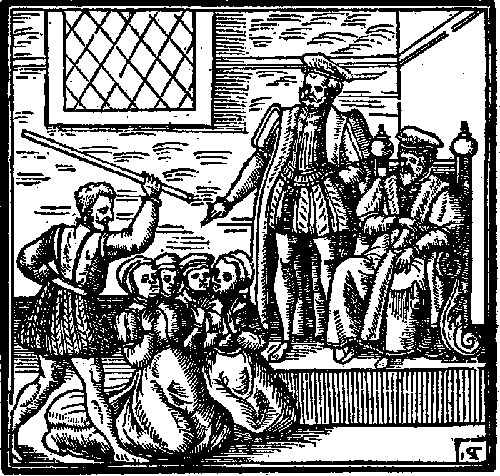
To gather enough evidence for a conviction, King James had Lady Janet Douglas family members and servants imprisoned and tortured until they gave answers that he wanted.

In later years she has been remembered as being an accused witch, but nowhere in her files does it say she was ever accused of witchcraft as well. Perhaps it would have been better for her, as those accused of witchcraft were often strangled before being burned. Traitors didn’t have that luxury. 

In the end they all talked and Lady Janet Douglas was convicted. When they led her out from the dungeon, she was nearly blind after being kept behind bars in the dark for so long. Lady Glamis was burned at the stake on 17 July 1537 by Edinburgh Castle and It is said King James forced her young son, John from her first marriage to watch her agonizing death before letting him go.

Lady Glamis’ son was also sentenced to death, but because of his young age, he was not to be executed until he reached eighteen. Luckily for John, the king died before then and was pardoned, reclaiming his property of Glamis Castle and becoming the seventh Lord Glamis.

The Haunted Glamis Castle

Not many years after Lady Glamis’ execution, reports about a gray lady started to appear around the Glamis Castle grounds and people kept seeing this ghost, believing it to be her.  The castle is not the only place her ghost is said to have been seen though. In Edinburgh Castle, were she was held captive and at last burned alive, there have been reports about a ghost reminding them about the Lady Glamis as well.

The Haunted Castle: There are many mysteries if you delve into the legends surrounding Glamis Castle, from the monster of Glamis, the ghost playing cards for the rest of the eternity and many more apparitions and legends.

Back at Glamis Castle, she has been reported around the Clock Tower as well as in the chapel of the castle. People report an atmosphere of great sadness when they have seen her kneeling at the altar. For a long time one seat in the chapel was reserved for her and no one was allowed to sit in that seat. 

Once, The James the old pretender, during the Jacobite Rising in 1716, a direct descendant of her killer saw her sitting there, still haunted by his forefathers actions. 

More like this

Newest Posts

References

Featured Image: Ian Robinson/Wikimedia

Ghosts of Mary King’s Close

Advertisements

Scratching sounds from the chimney, plague victims left for dead and floating heads, the haunted underground of alleyways known as Mary King’s Close haunts under the city. 

Today much of what you see of Edinburgh is an old town built on top of an even older town. Right opposite St Giles Cathedral you will find The Mary King’s Close or alleyways which are said to be haunted.

It used to be a normal street in the old town by the Royal Mile with narrow alleyways and cobbled streets. It was named after a successful business woman named Mary King working as a fabric merchant in the 1630s. 

Advertisements

So first off, what is a close? A close was a private area that got locked up at night to keep unwelcomed out. The richer lived on the top floors, away from the stench of the sewer and where most light came through the claustrophobic streets. 

The Plague

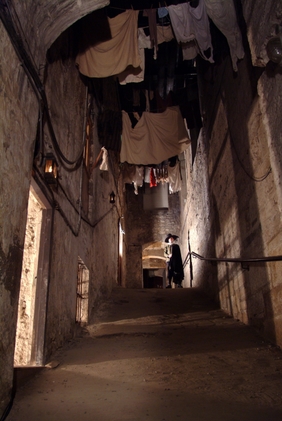
During the 1645 plague the city became overrun with rodents carrying diseases and it hit the Mary King’s Close pretty hard. They would hang out white sheets to show they were infected and in need of food and a plague doctor. Only the bravest plague doctors, one named Dr George Rae dared to venture into the close filled with plague ridden people.

Victims of the disease were quarantined and left for dead to die in the streets. One by one the residents either died or left the Close and were relocated to Burgh Muir, and they didn’t return until almost 40 years after the plague hit its peak. When they returned however, everything seemed to have changed. Since then there have been reports about strange things going on in the underground narrow streets. 

Plague Doctor: On the 13th of June 1645, Dr George Rae was appointed as Edinburgh’s second Plague Doctor. During the plague he went around to treat the plague victims. He cut open and cleaned out the puss from the swellings caused by the bubonic plague. He would then burn the wound to catheterize it. He was considered to be one of the more successful doctors during the plague.

What was it that made people see ghosts during this time? Was it the plague victims that were left behind? Or could it be the methane gas from the polluted march right by that caused everyone to see things?

Many tell the tale that it was to cover up the corpses of the plague victims that they built another street on top of it. The true story though is that they built the new street on top of the decaying old one in the 17th century to make a place where tradesmen could be. 

Advertisements

Life continued to go on underneath the surface though as not everyone wanted to leave. The last residents didn’t leave Mary King’s Close until 1902. And if we believe the legends, the last resident named Andrew Chesney never truly left as he is said to be one of the ghosts that haunts the place.

The Hauntings of The Colthearts

Back to the aftermath of the plague. Decades had passed since the plague had reached its peak and people started to return to the Mary King’s Close. But as mentioned earlier, the place had started gaining a notorious rumour of being haunted. And that was according to the residents themselves.

Claustrophobic: The narrow streets of Mary King’s close.

In 1685 a well respected lawyer named Thomas Coltheart moved into the close together with his wife. But their stay was not a happy one at all times.

The maidservant ran off claiming the house was haunted. And it was not long until Coltheart and his wife also noticed strange things. According to them when the Mrs. Coltheart sat reading her bible, she saw a head without a body float in the house, causing the wife to faint. 

First, Thomas Coltheart didn’t believe her when she tried to explain. But It returned later that night with the spirit of a child and a floating severed hand beckoning them to come towards them. They tried to pray the spirits away, but to no avail.  

Lastly they saw the spirit of a dog running after a ghost cat, creating a chaos of spectres and noises that night. And according to them, that was not the only time they were bothered by the spirits.

Apparently they claimed that the dog returned again and again, not leaving them in peace,

Surprisingly, the couple chose to never leave the Close and stayed there until their death. Needless to say, it turned them mad according to some sources. Or did the madness create the visions?

Abandoned Annie

One of the ghosts that are suppose to haunt the place is that of Abandoned Annie. She is the ghost of a little girl that is allegedly reaching out to grab your hand in the darkness.

She was named that by the Japanese psychic Aiko Gibo who visited the Mary King’s Close in 1992 and found the child ghost crying in a corner of a room. Aiko claimed that Annie was a plague victim who was abandoned by her parents. According to the psychic Annie wanted a doll to not feel so lonely. 

Today she has her little altar in what is now known as Annie’s Room with thousands of dolls, toys and money left by her visitors. They are all collected by the city council to donate to and help sick children. 

Visit the Underground

The Close was mostly forgotten after the last residents moved out and they didn’t really remember the old place until they once knocked through the walls during construction. 

The place was not opened for the public until 2003, but is now perhaps more busy than it was before they closed it up. Today you can access the underground alleyways from the Royal Mile as a tourist attraction. You can now experience the uniquely preserved cobbled streets as it would have been before the 1800s. 

Advertisements

More like this

Newest Posts

References

The Most Haunted Places in Edinburgh’s Old Town – Dickins

The Story Behind Edinburgh’s Mary King’s Close

Mary King’s Close: Underground Edinburgh’s buried street

The Ghosts of Mary King’s Close, Edinburgh | Haunted Rooms®

Mary Kings Close – Dark Hauntings

Edinburgh Castle Ghosts and Legends

Advertisements

Witches, dragons and ghosts, Edinburgh Castle are said to have it all. The sound of bagpipe and drummers can be heard without anyone playing, and those accused for witchcraft as well as prisoners of wars are said to haunt the old castle.

Although the castle as we know it today wasn’t built until the 12th century, the Castle Rock has been lived on for more than 2000 years. It is built on top of an extinct volcano formed 350 million years ago. The castle itself has been built and rebuilt over the years but you can still find traces of the castle that are over 900 years old. 

It is also the place in Britain that has been attacked most times with a record of 23 attempts to take over the castle. It has a story filled with wars, bloody battles and tortured, and is said by many to be a haunted landmark that watches over the old town. 

Edinburgh Castle: There are so many alleged ghost stories coming from Edinburgh Castle perched on Castle Rock. Among them is the Grey Lady, the missing Piper and little drummer boy. There are also ton of older legends about dragons, black hounds and ties to ancient romans and Arthurian legends. How much of it is really true?

History of Edinburgh Castle

Nine Maidens: Morgan le Fey is said to be one of the Nine Maidens in Arthurian legend. By Anthony Frederick Sandys from 1864.

The castle holds many legends to its name. According to the origin story, the first castle that was built on the hill was named The Castle of the Maidens, built as a shrine to the Nine Maidens, a mysterious and old cult of religion that can be found throughout many countries in Europe. One of these supposed Nine Maidens in Scotland are often attributed to being Morgan le Fay, a mythical figure in Arthurian legend that are said to hold magical abilities.

Even if there are no real substance to her being a real figure, the legends of fantastical magical things keeps being told around the castle grounds. Another legend from older times is the dragon. As far back as 1558 there were several reports about a dragon that was supposedly seen on one of the biggest towers at the time.

Even if there are no more reports about dragon sightings, there are still many urban legends about the castle that lives on to this day. There is also an urban legend that if students pass through the castle gates, they will never pass their exams. Many students are following this rule, and never visit the castle during their stay here, just in case.

Ghosts of the Castle and Haunted Legends

As well as fantastical rumors about dragons and mythical sorceresses, there are legends of ghosts and hauntings. Among the many haunted rumors of the castle, there are reports of the strange sound of drums and music. You can also hear the vague knocking sound you can never be sure to be the wind or something more ominous. 

People report of A sensation of being touched, pushed as well as a feeling of dread and despair can follow you when walking along the stony walls. There are also reported sightings of curious lights and flaky figures in the shadows. It is said a black dog is haunting in connection to the pet cemetery on the castle grounds as well as a man in an apron. But there are some ghostly legends more told than others:

Ghosts from the Witches Burned at the Stake on Castle Ground

One thing the castle was in the lead for was for burning more witches during the 16th century than the rest of the country. Over 300 women were tortured before being burned at the stake at Castle Hill, everything from simple peasants to noble women.

Among them, Dame Euphane MacCalzean, accused of witchcraft in the North Berwick witch trials. She was found guilty and burnt alive on 25 June 1591 on the southern slope of the Castle Hill below Edinburgh Castle.

The North Berwick Witch Trials: Dame Euphane MacCalzean was a notable figure in the North Berwick witch trials of 1590-1591, one of Scotland’s most infamous witch hunts. A well-educated woman of noble birth, she was accused of conspiring with witches to raise storms against King James VI’s ship during his return from Denmark.

Some believe the spirits of these women linger still, their pain echoing across time. if we are to believe the haunted legends, there are perhaps one or two of the accused witches that are haunting the castle.

Red More: Check out Agnes Sampson — The Wise Wife of Keith to read about another haunt from one of the victims who were convicted and killed in the North Berwick Witch Trials.

The Lone Piper Boy Playing Under the Royal Mile

Walking in the historical city of Edinburgh, the sound of bagpipes is heard on every occasion. On a random street corner, from the tourist shops, during a parade or as a part of the historical landmarks. Bagpipes are the thing, perhaps even from the ghosts of the city.

The Piper: The Bagpiper by Johann Christoph Erhard.

The most famous ghost that is said to haunt the castle is the piper that was sent down to explore some tunnels they found ran under the castle towards Holyrood Palace a couple of hundred years ago. A young and small boy that would get through the network of tunnels. 

According to the legend, the regimental piper played his pipe as he ascended down the Royal Mile, stretching through the old town from the castle. Halfway down the mile to Tron Kirk the music suddenly stopped.

A search party was sent down to investigate after the music stopped, but the piper was never found again, and they sealed the tunnel’s shut so no would could get in… or out… According to legends though, he was certainly heard. He is said to walk the royal mile to this day and the unmistakable sound of bagpipes can be heard from underground. 

So perhaps walking down the Royal Mile, the sound of the bagpipes echoing throughout the whole city might as well be from the ghost piper?

The Headless Drummer Boy

Another ghost that has been sighted on several occasions is that of a little drummer boy without a head. He was first seen in the central courtyard of the castle in 1659, a year after Charles I was beheaded. He was walking in circles, drumming his drum playing an Old Scottish war tune. When the castle servants looked closer, they saw that he didn’t have a head. It is said that he drummed all through that night and continued until the morning. 

Although he has not been seen again, he is considered a bad omen if he ever appears again. The same year he showed himself, Oliver Cromwell invaded Scotland and laid siege to the castle. Is this enough to give credit to the legend?

Even though no one has seen him since that fateful night, the servants working at the castle have throughout the years claimed to have heard his drumming in the quiet hallways of the castle from time to time. Who knows… Perhaps the next time someone sees the drummer boy, the castle will once again come under attack?

The Grey Lady Haunting the Halls of Edinburgh Castle

A mysterious lady has been reported staying in the older parts of the castle. Sometimes she is just seen wandering around in her 16th century dress and sometimes she is reported to weep. 

Janet Douglas: Lady Glamis was a noblewoman accused of witchcraft, who was executed by burning during the reign of James V of Scotland.

There are several real nobles she is thought to be: The first one is Janet Douglas or Lady Glamis. She was accused of witchcraft and burned to the stake outside the castle on July 17th in 1537 with her son watching it all. It is said that even back then, they knew that the accusations were wrong, but King James V held a grudge towards her brother and took it out on her. 

Janet also haunts Glamis Castle as The Grey Lady of Glamis, wandering through the family chapel and clock tower.

Read Also: Check out Lady Janet Douglas, Ghost of Glamis Castle to read more about Lady Janet Douglas and how she is said to haunt the Glamis Castle as well.

Others think that the Grey Lady haunting Edinburgh Castle could be the French Marie de Guise, mother of Mary Queen of Scots. She died a catholic and the Protestant nobles held her body inside the castle for nine months before returning her to France, wrapped in a cloth inside a lead coffin. She was then secretly taken to France for a proper burial in the Convent of Saint-Pierre in Reim.

The Prisoners in the Dungeon and Towers

There are also the castle dungeons where they housed criminals for centuries that are supposedly haunted. There were many wars that the castle dungeon saw: the Seven Years War, The American War of Independence and the Napoleonic Wars just to mention a few.  

According to legend, from one of these wars, the ghost of a prisoner is said to haunt the castle to this day. In 2003, construction crew members restoring the Queen Anne Tower claimed ghosts of prisoners from the Napoleonic Wars harassed them and refused to work there. Who knows what they really saw, but there are certainly rumors. The hazy blue orbs mentioned earlier are said to appear more frequent in this tower than in the rest of the castle.

But who was this prisoner? The legend tells of a prisoner who tried to escape in a wheelbarrow filled with dung that were taken out of the castle. The cart was dumped over the high castle walls and the prisoner broke his neck when he hit the rocky ground below. He now haunts the place and tries to push visitors down Castle Rock. What gives him away is the lingering smell of dung in the air. 

The Legends Living on in Edinburgh Castle

That was some of the ghosts that are said to be haunting the castle. Old places like these will have its history, and through all the bloodshed and Even today, myths surround Edinburgh Castle. Students avoid crossing its gates, fearing it may curse their exams still to this day.

But it’s the ghostly activity that chills the hearts of visitors. Phantom touches, flickering lights, and shadowy figures have been reported. The sounds of drums, faint knocking, and whispers stir something restless in the castle—perhaps spirits that will never truly leave. legends surrounding the place since the first people arrived on the rock, the place will hold its stories.

More like this

Newest Posts

References

The Most Haunted Places in Edinburgh’s Old Town – Dickins

Edinburgh’s most haunted locations | The Scotsman

The Headless Drummer Boy – Folklore Scotland

Edinburgh Castle Ghosts

Facts, Fiction And Urban Legends About Edinburgh Castle

Ghosts of Edinburgh Castle

The Most Haunted Place in Scotland | Ghosts of Edinburgh Castle | My Macabre Roadtrip 

Spooky sightings at Edinburgh Castle and the ghosts that are claimed to haunt the halls 

Edinburgh Castle Ghosts – Is Edinburgh Castle Haunted? – Wandering Crystal 

Haunted Spirits at The Banshee Labyrinth Pub

Advertisements

The metal bar called the Banshee Labyrinth is located in parts of the haunted underground vaults of Edinburgh. And today the place has some haunted stories to tell as well. Everything from ghost children, accused witches, irish folklore creatures and an annoying ghost in the ladies toilet, this pub houses them all.

What can be a more haunted place than a rock and metal bar located in the haunted old town of Edinburgh? Today it is a family run pub that promises a good drink and music all week.

The Banshee Labyrinth bar is located on Niddry Street it is close to the Royal Mile as well as the haunted underground of Edinburgh.

They are also catering to the more macabre with movie nights mostly showing horror movies. But are we to believe legends about this pub you can also expect a couple of ghostly guests as well. 

Advertisements

The Haunted Underground Vaults

It is located near The South Bridge Vaults where several businesses, workplace and taverns were located. However, it was built on a low budget and never waterproofed. The place eventually flooded and only the poorest people stayed there, making cheap brothels and pubs flourish instead and crime and murders were not uncommon. 

It was allegedly also here the infamous serial killers Burke and Hare haunted victims to sell to the medical schools. The underground vaults have become notorious as a haunted place. 

The Wailing Banshee

Part of The Banshee Labyrinth is in one of these vaults and the name the pub has comes from the legend of a banshee haunting the place. Banshee are female spirits and creatures that are an omen of death with their terrifying screams. 

The Banshee: It is a female spirit in Irish folklore who heralds the death of a family member

Once when the pub was having some restoration work done, the workmen experienced something strange. The story is that a group of workmen heard this wailing scream of death and right after. According to some sources he also saw a woman in a gray dress who cried into her hands before lifting her head to show off her pale face with rotted teeth and no eyes. 

After this they were terrified, but it didn’t stop there. Right after the incident, one of the workers got a call about the death of one of their family members just moments later. 

There is also Molly, a six year old girl that are said to haunt the place. She is named Molly after they found a child shoe with the name written on it in one of the old bricked-up chimneys. She apparently disappeared in 1814 according to some sources. 

People also report on the ghost they have named Ole Jock, who is said to haunt the ladies toilet. He keeps slamming the doors and is even said to be the one turning the hand driers on and off. 

Advertisements

The Witch Hunter

Since its heyday as a part of the criminal hotspot of the city, the people who once walked the vaults are said to have been of the more unsavory characters, and perhaps the ghosts can be seen as the same. 

Witches: More than 3000 Scottish people who were accused of witchcraft between the 16th and 17th century. Many of them were burned at the stake in Edinburgh.

One of the neighbors of the building of The Banshee Labyrinth for instance once upon the time belonged to a man named Lord Nicol Edwards. He was a lord Provost and known to be a cruel man, especially to his wife. He is also said to have had a personal dungeon under his house he used to torture accused witches before their trial. 

Many pub goers to The Banshee Labyrinth have claimed to have spotted one of these tortured women, and the story of the banshee is often linked together with these women. 

There are also stories about inside the pub with some strange things happening. Classical haunted pub things like drinks flying off the tables and crashing in the walls. So bottoms up, The Banshee Labyrinth have spirits for all, both the drinkable and haunted type. 

Advertisements

More like this

Newest Posts

References

The Most Haunted Places in Edinburgh’s Old Town – Dickins

The Banshee Labyrinth

Scotland’s ‘most haunted pub’ that’s home to a terrifying wailing banshee – Edinburgh Live

The ‘most haunted pub in Scotland’ where 16th-century tyrant tortured ‘witches’ – Daily Record

The Ghosts Within the South Bridge Vaults

Advertisements

A paranormal investigator’s dream, the South Bridge Vaults in Edinburgh have been investigated for its hauntings on many occasions and many have left with a feeling of having experienced something paranormal and ghostly in the dark. 

In the late 18th century Edinburgh was a growing community with a limited space in the Old Town nicknamed Old Reeky because of the bad smell and old buildings. The city is built around seven different hills and there are five main bridges connecting the slopes and hills of the town. That is also the reason for the high rise buildings of Edinburgh were they chose to build on top of the old to utilize the uneven location of the city. 

The people of Edinburgh started to utilize the spaces under the South Bridge in the Old Town to make more room for business. The spaces within the archers under the bridge are also known as the Edinburgh Vaults or Niddry Street Vaults as well as just the South Bridge Vaults. 

Advertisements

They look like a series of chambers next to each other and are actually of the 19 archers underneath the South Bridge. It was supposed to be a place with respectable businesses, but ended up becoming some of the more haunted corners of the very haunted city. 

The Cursed South Bridge

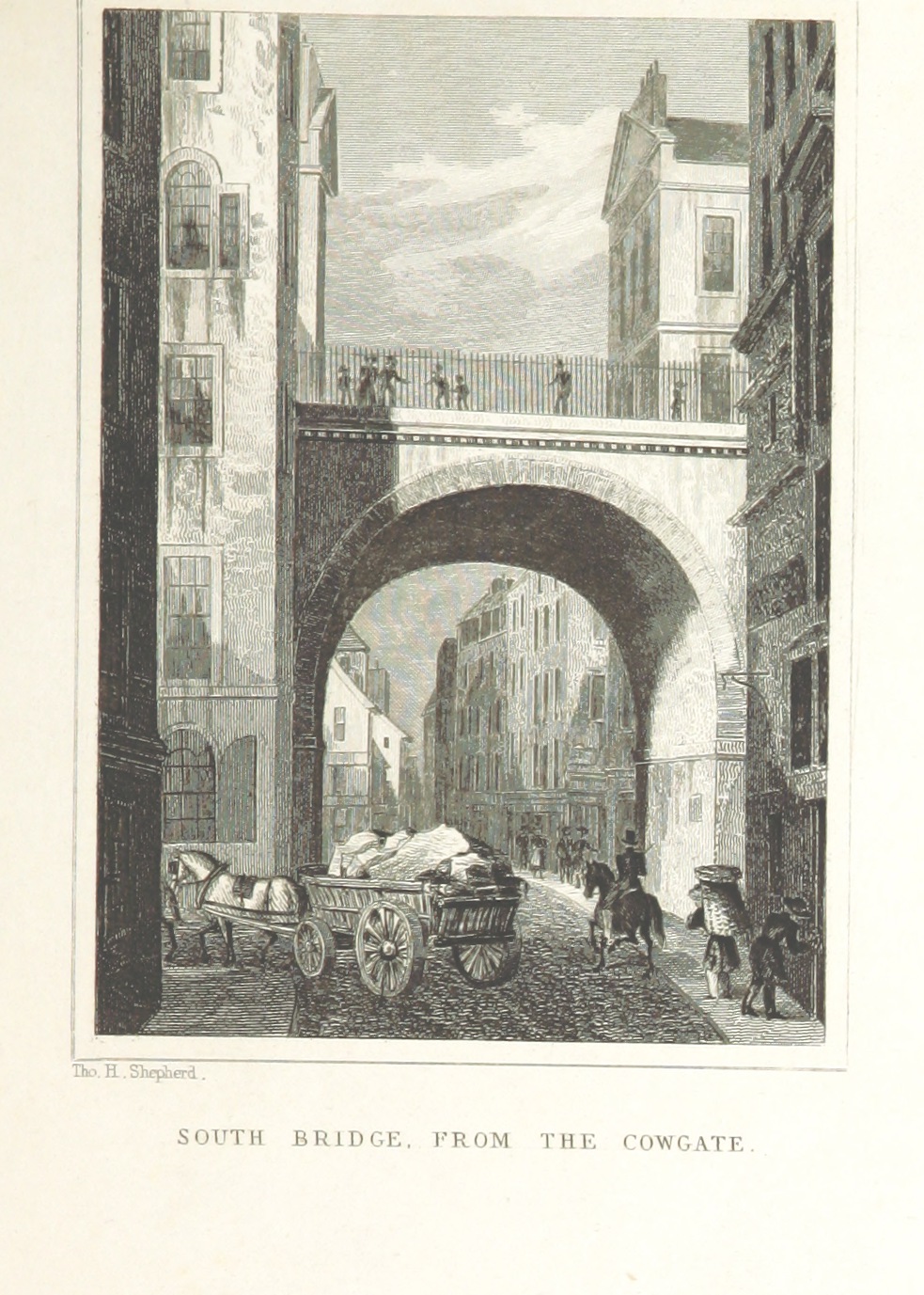
According to legend, the place was cursed already from the start. The South Bridge that was built to connect the old town with the new town was completed in 1788, and already at the opening of it the locals deemed it as cursed. 

The South Bridge: The largest arch of the bridge, seen from the Cowgate.

It was seen as a grand opening and one of the respected Judge’s wives had been selected to be the first resident to cross the bridge as she was the city’s oldest resident. However, she died before the opening. To keep their promise to the elderly woman though, they decided she after all would be the first person to cross the bridge, although it was in her coffin. 

The locals in Edinburgh were scared, now thinking that the bridge was cursed because of the unusual opening of the bridge. And looking back at all that happened on the bridge and in the vaults beneath it, perhaps it indeed was. 

In the start, the South Bridge Vaults underneath the bridge were mostly used as taverns, workshops and as storage space for merchants. However it wasn’t long before the well respected businesses started leaving the area because of the poor facilities. The building of the bridge and the vaults underneath had been constructed on a low budget and even the construction itself had been rushed. Therefore they had taken no precaution to seal the surface against water and built it with porous limestone and the place became a damp and dark place which constantly flooded. 

The Damp and Dark Underworld of the Vaults

No later than 10 years after the bridge and the vaults opened, respectable businesses like shoemakers, goldsmiths started leaving the area and those that could afford it relocated elsewhere as the murky vaults flooded and the sunlight never shone inside the South Bridge Vaults. It was a place no one wanted to be, and only those that had no other choice remained. 

Advertisements

There was also a slum where the poorer people in town started to take over as the surrounding Cowgate area had developed into a slum during the industrial revolution. Crime, filth, poverty and murders were key words to explain the place as no sunlight came through.

More illicit businesses started to pop up in the area like brothels, shady pubs, gambling dents and illegal whiskey distilleries, turning the place into the red light district of the town.

The Legends of the Serial Killers Burke and Hare

A lot of horrible things happened inside these vaults during this time. Most of it, we will never know for sure. Legends however will be told. The South Bridge Vaults were where the body snatchers Burke and Hare were supposedly finding their bodies as well as killing them to sell them off to medical schools. 

The Burke and Hare murders: The serial killings were sixteen murders committed over a period of about ten months in 1828 in Edinburgh, Scotland. They were undertaken by William Burke and William Hare, who sold the corpses to Robert Knox for dissection at his anatomy lectures. Here depicted in an etching of Burke murdering Margaret Docherty (also known as Margery Campbell) by Robert Seymour.

Although this legend is often passed down as fact, there is no actual evidence that the South Bridge Vaults was the exact place they got their bodies from, although very likely. The place to find poverty struck people and those that no one would miss if they suddenly ‘disappeared’ was inside the dark and damp vaults.

The Rediscovery of the South Bridge Vaults

At one point during the 1800s, exactly when is unsure, they emptied the vaults for people and started to dump tons of rubble in the vaults, sealing them completely off and making them inaccessible for the public and were kind of forgotten for a long time. 

Advertisements

It wasn’t until the 1980s the tunnels to the vaults were rediscovered by a former Scottish rugby player named Norrie Rowan when he found one of the tunnels while he was renovating his flat. He spent the rest of his days excavating the vaults and rediscovering its history to make it accessible for the public once again. 

The Ghosts of the South Bridge Vaults

There are many stories about who haunts the place today as the vaults have reopened and daily groups of tourists and paranormal investigators are taken down to the vaults to uncover the dark history. 

Many people met their tragic fate on a daily basis down there in the vaults as well as suffered from horrible tragedies that affected the entire town. Like the Great Fire of Edinburgh  that lasted for five days after it started in 1824 and took the lives of at least 13 people. There are many stories about victims that were trapped inside the chambers and suffered horrible consequences from then. Although there is no paper trail on this tale though. 

There are many tourists that claim to have captured evidence of something paranormal going on, and they even make the newspapers from time to time. The same reports comes from the paranormal investigators that go down into the vaults and come back with what they see as proof of hauntings going on. 

Advertisements

Here are some of the ghosts that are said to haunt the vaults until this date and have gathered enough reports to be a part of the haunted ghost tour in Edinburgh: 

The Aristocrat

One of the first ghosts that people have reportedly seen over the years is that of the Aristocrat. He is said to be a rich gentleman with a tall black hat and a beard. He is not seen as the most angry spirit as he is known for grinning at visitors while leaning against the wall. People do have a tendency to feel uneasy in his presence though, according to those who claimed to have seen him. 

The Happy Shoemaker

There is also a room that is believed to belong to a shoemaker from that time that is said to still practice his profession as a shoemaker.

He is described as a man in his 50s and is one of the ghosts that are said to be friendly and are often seen smiling and laughing by visitors while he happily carries on with his shoemaking while wearing an apron.  

The Veiled Woman

In the room with the shoemaker known as The Room of the Cobbler, there is a meaner spirit though and is known as the veiled woman. She is believed to throw small stones at visitors as well. She is seen as a young woman dressed in black while wearing a veil in the north west corner of the Cobbler’s Room. 

Women have also reported about feeling an intense rush of grief, anger and a sudden and unexplained abdominal pain, which has left many to believe it is a woman that lost her child in a horrible way and she is still grieving. 

The Caretakers Room

In one of the chambers there are reports of a man sitting by the fireplace. He apparently looks like one of the more chill spirits in the place as well with a drink in his hand and legs stretched out. By his side he has a dog that is reported to brush up against people’s legs or sniff them. 

Little Jack

Then there is the small boy named Jack or James that are often spotted in the Wine Vault. He is mostly seen as a blonde curly boy around 6 or 8 years old, wearing a blue suit with the classic knickerbocker trousers. Some sources want to connect him to a missing child case from 1810. 

He is often playing with a red ball at times and is known to try to hold the hands of female visitors and likes to play around if there are children around. Allegedly, if he spots a person he doesn’t want to enter the South Bridge Vaults he will tuck their sleeves or coat when entering the Blair Street Corridor. 

According to the guides down in the vaults, he is afraid of one of the more well known ghosts wandering the narrow alleys and small chambers. And that is that of Mr. Boots or also known as The Watcher. 

Advertisements
The Watcher

Perhaps the most well known ghost in the South Bridge Vaults is that of The Watcher. There is a theory that he was a watchman and that is the reason he is known as The Watcher. Or maybe it’s because he always looks as if watching over something.  

There are also alternative legends over the years that have tried to explain his presence, and many are also claiming him to be one of the slum landlords or even one of the body snatchers that hid his stolen bodies in the chamber known as The White Room. Today we can only speculate. 

He is also called Mr Boots because of how many people in the vaults have experienced him. They can hear loud footsteps in The White Room or in the Niddry Street Corridor which is known as the most active place in all of the vaults.

His face has never been seen as it is hidden, blacked out or he is showing himself to the public with his back. He is supposedly this tall, slim and dark figure with a long flowing coat with his long hair in a ponytail. Sometimes he wears a hat and long boots. Sometimes he carries rattling keys and his breath smells disgusting of rotten teeth and whiskey. 

People experiencing stuff within the vaults often get the feeling that he is trying to get them out from the narrow and claustrophobic spaces. Batteries on cameras die or malfunction when he’s present and he is known to push or pull people towards the exit as well as the phrase ‘Get Out’ has been heard on several occasions. 

The Stone Circle

There are also rumors about an evil demon trapped inside one of the stone circles in one of the chambers. This is were the late Wiccan High Priest, George Cameron known as The Hermit set up his temple in the 90’s. It was in one of the vaults that have historic connection to the torturing of witches somehow. 

According to him, he was trying to rid it from evil and built the stone circle which still stands today. He failed, however, to remove the evil that were supposed to be in the vaults and Cameron abandoned the room after he recommended to seal up the room to protect people from the evil within it. It is not sealed though as it is one of the stops on the tour through the vaults. 

The Experience of the Hauntings

No matter the real story of the ghosts in the South Bridge Vaults and the true horror the people living there went through, the vaults itself are an interesting walk through time and history. And perhaps if you choose to go down into the dark chambers you too will hear the same that many claim to have on recordings and etched into their memories. The eerie sound of what can sound like children yelling and crying along with hushed voices and shuffling footsteps. 

Advertisements

More like this

Newest Posts

References

Edinburgh’s most haunted locations | The Scotsman

Niddry Street Vaults Ghost Hunts,

Edinburgh’s South Bridge and Vaults

Underground Edinburgh Tour of South Bridge Vaults Review

The Watcher, The South Bridge Vaults Edinburgh’s Most Haunted

https://thelittlehouseofhorrors.com/edinburgh-vaults-south-bridge/

The Wizard of West Bow and His House of Horrors

Advertisements

In what is now a place of religious worship there once stood a house plagued by demonic and haunted activity. And the legend from The Wizard of West Bow and his horror house in Edinburgh. 

‘It is certain that no story of witchcraft or necromancy, so many of which occurred near and in Edinburgh, made such a lasting impression on the public as that of Major Weir.
– Sir Walter Scott ‘Letters on Demonology and Witchcraft’, 1830

The West Bow House of horror is one of the houses that was known as one of Edinburgh’s most haunted. For a long time everyone thought the house was demolished, but traces of it can still be found on the jolly streets in Edinburgh’s Victoria Terrace. 

Advertisements

It used to be the home of Major Thomas Weir, also known as the Wizard of West Bow after his death. He lived with his unmarried sister, Jean, mostly known by Grizel, in their house in Old Town. Originally from Lanarkshire, their mother had a reputation for having The Second Sight, but they were mostly known as devoted Christians.  

He used to be seen as an upstanding citizen as a Covenanter soldier with a good career in the army behind him. He was also a very strict presbyterian who would lead big groups of christians in prayer. In 1650 he was even appointed commander of the Edinburgh Town Guard. To everyone else, he was nicknamed as one of the Bowhead Saints. But look can be deceiving, and he hid some dark secret underneath the polished exterior. He has even been seen as someone that could have inspired the character of Dr. Jekyll and Mr. Hyde.

Demonic Confessions

Around 1670 people started to notice a shift in Weir’s behavior. At one of their prayer meetings, he stood up and started to speak. He was then around 70 and people noticed that he seemed ill. He didn’t pray that day though, but started confessing to heinous acts instead. This included everything from bestiality, incest, witchcraft and communicating with the dead. 

House of Horror: The house of the Weir siblings at number 10 at West Bow.

In some versions however it was after Weir’s retirement after he fell sick these confessions started. And according to this version it was from the sickbed, not during a prayer meeting he confessed to his crimes. 

They called a doctor, but his confessions kept coming, insisting that it was all true. Even the Lord Provost would not believe in the confessions at first as they all came as a big surprise. They wanted to dismiss it all as him being mentally disturbed instead, but he kept repeating his sins, refusing to back down. 

Even his sister, Grizel, known as a quiet spinster, confirmed it all when they went to question her. Not even did she confirm what he had already said, but continued to confess more demonic activities giving testimonies of even more vile and exaggerating things. 

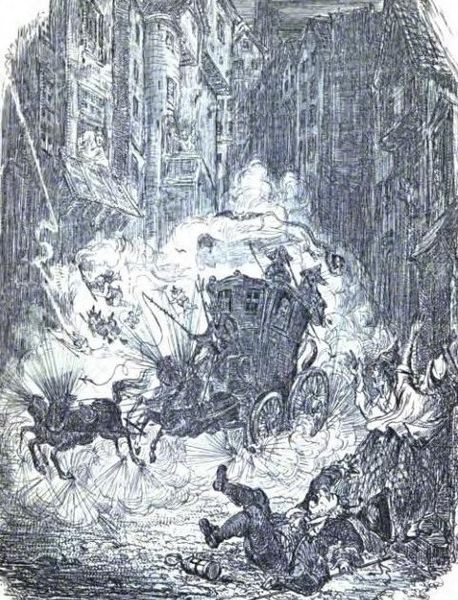
According to her he had once been taken away by a demonic stranger in a coach on fire and taken to Dalkeith, a town bordering Edinburgh. Exactly why Dalkeith would be a place a satanic coach would drive were never really explained. She even showed a mark on her forehead that looked like the shape of a horseshoe. She apparently proudly said it was a gift from the Devil himself.

There he supposedly was given supernatural intelligence in the form of a walking stick by a servant of Satan. This walking stick had a carved human head on the top and was supposedly a gift from Satan himself and was the one he usually used when leading their prayers. 

Advertisements

Most cases of witches and wizards happened after someone else accused someone of sorcery. This case is a very different matter as they accused themselves. Why on earth would they further worsen the case for them, even Jean to the point of implicating herself in that manner? 

They were then taken away to the Edinburgh Tolbooth by the baileys where they were interrogated and found guilty. They both received death sentences. 

Executed for their crimes

Scotland was not a good place to be if you were condemned for witchcraft. Only Germany had more witch trials in Scotland during this time. Estimates reckon around 4400 witches were executed. And unlike England who hanged the witches, Scotland followed a more barbaric and continental law of burning them all. 

Taken by Satan: Depiction of Thomas Weir in his fiery coach.

While they both were waiting for their execution they were held in a former leper colony below Calton Hill. Major Thomas Weir was executed in 1670 at the Gallowlee that literally means gallows field. He was garrotted and burned together with his demonic walking stick. It was said that both took an exceptionally long time to burn. He was asked for his last words, but chose to not beg for forgiveness. He reportedly said:

 “Let me alone—I will not—I have lived as a beast, and I must die as a beast”

Grizel also died, but was hanged in the Grassmarket. According to reports her hanging was also dramatic and unrepentant. She supposedly tried to take off all her clothes in front of the crowd and refused to beg for mercy for her crimes. 

Their bodies were buried at the base of the gallows at Shrubhill according to custom of that time. But their death apparently wasn’t enough to cleanse their house for paranormal activity. 

Today we can only speculate about why he made those confessions. And even if some of them were actually true, why would he speak them out loud, and why would his sister also get implicated in it? 

Was it to clear their conscience? Or perhaps a fit of madness or some sort of illness? Did it have anything to do with their mother, Lady Jean Somerville, who was a reputed clairvoyant? Or did the two actually dabble in the occult? 

The Haunted House at West Bow

After their execution the house became abandoned and known as a haunted place where the locals reported seeing light in the windows although no one lived there as well as shadows moving around. There are also tales about music coming from the abandoned house. It stayed like that for over a century and legends surrounding the house continued to grow. 

For example they told a story about a  ghostly coach that was pulled by 6 horses spotted outside the abandoned building. 

Advertisements

A couple bought and tried to move into the house in 1780 by an ex-soldier named William Patullo and his wife, but according to stories, they never stayed there for more than one night. They claimed to have seen ghostly apparition of demonic entities in the appearance of a calf staring at them in their bed. 

The house as it was was demolished in 1878 and the locals thought for a long time that they were done with the hauntings from the cursed Major. 

The Rediscovering of the Haunted House

However, it was discovered that a new house was built on top of it, today used as the Quaker Meeting House on Victoria Terrace. This wasn’t known before 2014. Apparently, the part of the house that still remains is now the toilet area of the Quaker Meeting House area. 

Today it is one of the more colorful streets of Edinburgh, with picturesque boutiques and cafes along the cobbled street. But the haunted rumors have still not died down. One of the staff working there claims to have seen the Major walking right through the walls. 

Advertisements

More like this

Newest Posts

References

The Most Haunted Places in Edinburgh’s Old Town – Dickins

Edinburgh’s most haunted locations | The Scotsman

The Wizard of West Bow: the dark secrets of Edinburgh’s haunted house of horrors

Neighbours from hell: Remains of wizard’s house of horrors are found… hidden inside a Quaker meeting place | Daily Mail Online

Major Thomas Weir – the Edinburgh man who admitted to witchcraft | The Scotsman

The Poltergeist of Greyfriars Kirkyard

Advertisements

Tucked away in the Old Town of Edinburgh, the Greyfriars Kirkyard houses even the restless spirits of the locals. Even a poltergeist known as George Mackenzie.

Cold spots, white figures behind the graves and knocking noises from below the ground, the reports about Greyfriars Kirkyard being haunted are endless. A haunted cemetary is a must for an old town like Edinburgh and just at the end of George IV Bridge by the Museum of Scotland you will find Edinburgh’s one. At Greyfriars Kirkyard the visitors will leave wondering if it was just the wind or something more. 

The cemetery was built in 1562 by Mary Queen of Scots, also known as Bloody Mary throughout history. It is now one of the main attractions on the many haunted bus rides you can jump on in the old town. For good reason if we believe the locals. 

Advertisements

Even today there is gruesome stuff going on in the Greyfriars Kirkyard. Edinburgh was a notorious place where grave robberies of bodies happened as the demand for fresh flesh for the medical schools were in high demand. Something of the past, there are not many cases of grave robbery as this today. But as recently as 2003 two teenagers were arrested for grave robbery as they cut the head from one of the corpses and used it as a glove puppet. 

Famous Graves

Many famous and notable residents of Edinburgh are buried in this place, including Hames Hutton, Robert Adam as well as perhaps the most famous local, the dog Greyfriars Bobby. 

Greyfriars Bobby: Edinburgh’s most beloved dog, Bobby is laid to rest in the cemetery.

Greyfriars Bobby was a dog so loyal to his master that he never left his side, even in death as he watched over his master’s final resting place for 14 years until he died himself and is now buried beside him in the Greyfriars Kirkyard with the queen’s permission. 

Even if they weren’t famous when they were alive, J.K Rowling made many famous today as she is said to have been inspired by the names on many of the tombstones. 

Many ghosts have been reported on this graveyard from when it was first built, however, today the Mackenzie Poltergeist is perhaps the most famed one. 

This is not the only supposed haunted graveyard we have written about. Check out these ghost stories set in cemeteries as well:

Ghost stories from cemeteries:

Advertisements

Bluidy Mackenzie

In 2000 the spiritualist Colin Grant tried to lay one of the restless spirits to rest in the cemetery. A few weeks later he died of a heart attack. After his death, many attributed this death to be caused by the poltergeist of the cemetery, Bloody Mackenzie. 

Since the 19th century children believed that there was something off with this particular grave at Greyfriars Kirkyard. They used to run up to the keyhole and yell:

“Bluidy Mackenzie, come out if ye daur, Lift the Sneck and draw the bar!”

George Mackenzie was known as Bluidy (Bloody) Mackenzie when he was still living and was not remembered as a kind man. He worked as a lawyer for the King and imprisoned around 1200 protestant rebels that refused to pledge their allegiance to the catholic king. 

Advertisements

The nickname comes from the horrible torture he made the prisoners he held captive in an area in Greyfriars Kirkyard known as the Covenanters Prison. It was an open area closed off by the city wall. Hundreds of people died when they went without water, food and shelter from the weather.

It is said that by 1679 there were only 48 Covenanters left alive with the rest heads on spikes along the gate.  

Although Mackenzie ran away to England and died there, he was sent back after his death. After his death he was laid to rest in a mausoleum located on the same place where so many of his victims met their unfortunate end. 

The Black Mausoleum

Apparently the activity around the mausoleum never seems to rest. Dead animals turns up around it without an obvious cause of death and mysterious fires are also often blamed on the strange activity that seems to happen around the Black Mausoleum in Greyfriars Kirkyard. 

The Black Mausoleum: The tomb of ‘bloody’ George Mackenzie in Greyfriars Churchyard from the 1840s.

The story is that a homeless man seeking shelter from the weather broke into the Mackenzie mausoleum known as the Black Mausoleum and disturbed the spirits there, making a poltergeist angry and releasing its fury. Allegedly as soon as the homeless man placed his hand on the grave the floor opened underneath him and swallowed him whole as it dropped him into a grave of plague victims.  

Another version of the story is a criminal that hid inside the mausoleum for six months. John Hayes had apparently gone mad inside the mausoleum he only left to scavenge for food occasionally. According to him, the coffins in the mausoleum moved all on their own and he could hear Mackenzie turning inside his coffin. 

It was also here the teenagers aged 15 and 17 broke in and desecrated the corpse inside. Apparently they are rumored to even have drunk wine from the skull after they cut off the head. This incident was one of the things that made the cemetery and the Black Mausoleum famous

The Poltergeist of the Cemetery

Since then, reports of scratches, bruises and burns on people that have been there as well as people collapsing for no apparent reason in the cemetery. They claim that between 300 and up to 500 guests from the 90s to 2006 felt like they were attacked by this poltergeist. 

Advertisements

More like this

Newest Posts

References

Featured Image: Harry McGregor/Source

The Most Haunted Places in Edinburgh’s Old Town – Dickins

A Guide to Haunted Edinburgh | Authentic Scotland

Haunted Edinburgh | 23 Mayfield

Meet the Mackenzie Poltergeist of Greyfriars Kirkyard – Icy Sedgwick