Tag Archives: nun

The Haunted Halls of the Bern City Hall (Rathaus)

Advertisements

Where history whispers and shadows reign, the Rathaus in Bern is said to be haunted by a myriad of ghosts. Who are the ghosts lingering in the City Hall after dark?

In Bern’s UNESCO-protected Old Town stands the Rathaus, a 600-year-old masterpiece of medieval Gothic architecture. This historic town hall is not just the political centerpiece of the canton where the Grand Council of the Canton of Bern meets in the town hall five times per year, it’s also a hub for the restless dead. 

Read More: Check out all ghost stories from Switzerland

The current building was begun in 1406–07 by Heinrich von Gengenbach on the site of a townhouse owned by the Burgistein family and completed around 1415-1417. Beneath the grandeur of its meeting halls, corridors, and council chambers lies a legacy of betrayal, justice, and eerie apparitions. When night falls and the crowds disperse, the Rathaus becomes the stage for Bern’s most unsettling ghost stories.

Eugène Cattin (1866–1947) when it was Hôtel du Gouvernement

The Mourning Treasurer

Among the earliest tales is that of the Dishonest Treasurer, who embezzled state funds only for them to be seized by invading French forces.

To this day, his tormented spirit is said to haunt the vaults, weeping for both his crime and the gold he lost forever. Visitors sometimes report hearing soft sobs or the clink of coins in the dead of night, echoing through empty corridors.

The Phantom Town Protector

When Bern teeters on the edge of crisis, locals tell of a gilded carriage drawn by two spectral horses arriving silently before the Rathaus. A servant jumps out and opens the door for the spectral protector of the city. A well-dressed man in outdated garb slowly ascends the steps, pausing with uncanny deliberation. Midway, he is engulfed by a spiral of mist and vanishes without a trace. 

Many believe this is the ghost of a long-dead protector of the city, appearing only when Bern’s fate hangs in the balance.

The Black-Clad Councilors

Far more chilling is the tale of the Black-Clad Councilors said to haunt one of the chambers at the Rathaus. And much like the phantom coming from the ghostly carriage, these ghosts are going to work. 

The Burgerstube in Bern’s Town Hall, 1735 by Johann Grimm

It is said they look like a skeletal assembly of former officials who rise from the grave to argue eternal matters of law. Dressed in 17th-century garb, clutching black folders, they shuffle into the council chamber at midnight, but no one ever sees them exiting. 

A spectral debate ensues, marked by snarling voices and bony fists pounding on ancient wood after one of them makes a speech. At the stroke of twelve, they vanish as swiftly as they came when the silver bell on the clock on the wall chimes. 

In the book from Hedwig Correvon, Ghost Stories from Ber, it is said that the ghostly meeting was seen once by a living. A man once dared to watch from behind a stove—he emerged blind, his sanity cracked.

The Headless Execution Victim

One narrow corridor, once thought to house instruments of torture, remains a hotspot for ghostly phenomena in the city hall. Those who pass through have reported dizziness, chills, and even fever that lasts for days. 

Occasionally, a figure is seen drifting silently through the halls. There are those claiming a man in tattered robes, carrying his own severed head beneath his arm is haunting the building. He is believed to be one of those executed centuries ago when justice was swift and brutal in Kirchgasse.

The Caretaker’s Wife and the Stove

More recently, strange disturbances are heard from what was once the caretaker’s apartment. Shouting, crying, and unintelligible arguments erupt from behind a large iron stove. The ghost of the caretaker’s wife, mad by unruly spectral children, is said to still shout commands at the unseen chaos within. Her voice echoes: “Will you be quiet immediately!” And an eerily silence follows.

The Sinful Nuns

There are also those claiming that a group of nuns have been haunting the area for ages. Towards Schipfe, there is an iron door to the town halls, said to be so rusty that no one can open it. This is at least how it was described in 1919 in a collection of ghost stories from Bern. 

Read Also: The Ghosts of the Sinful Nuns Haunting Bern

At night, it opened however and a group of nuns dressed in all black comes out, walking to the fountain. It is said that without saying anything they start to throw the small and dead bodies of children they have drowned in the well.

Today, the Rathaus hosts elegant receptions, formal debates, and civic ceremonies—but behind its regal veneer, shadows move and whispers linger. Those who work late or wander its halls after dusk report an undeniable chill and an oppressive presence. For in Bern, even the walls of governance cannot silence the ghosts of its past.

Newest Posts

References:

Bern Town Hall – Wikipedia

Geisterstadt Bern – SWI swissinfo.ch

https://www.maerchenstiftung.ch/maerchendatenbank/11867/suendige-nonnen

https://www.maerchenstiftung.ch/maerchendatenbank/11827/ratsherren

The Ghosts of the Sinful Nuns Haunting Bern

Advertisements

Once, the city of Bern was filled with nuns working and living inside of the city walls. According to ghost stories though, some of them remained, even after the Reformation that closed their convents down. And those stories tell about them being guilty of terrible things with terrible ends. 

In the winding alleys and cloistered ruins of Bern, ghosts drift beneath the vaulted ceilings of forgotten convents. Long before the Protestant Reformation swept through Bern in the early 16th century, the city throbbed with the sacred heartbeat of Catholic ritual. Monasteries, nunneries, and chapels dotted the cityscape, and pious women in black habits tended to the sick, the poor, and the orphaned. Some were devout and willing. Others were not.

Read More: Check out all ghost stories from Switzerland

By November 1523, the tides had turned. Under pressure from reformist leaders, the Bernese city council ordered that the words of the Bible be preached directly—without the filter of Rome. Within months, the convents were abandoned. The once-sacred cloisters stood silent. But silence is not absence. And in Bern, some souls remained behind… trapped.

The Walled-Up Nun

One of the ghost stories that were told about the Bernese nuns was one left behind, still inside of her old convent walls, and it is said that even in death, her face cries out.

It was an ordinary day when a man, strolling past a decaying monastery wall near the heart of Bern, caught sight of something horrifying. The story doesn’t really specify which building this happened in. It is also a story that is said to have happened before 1919, as it was printed in a collection of ghost stories that year. 

Behind a narrow, crumbling window he claimed to have seen a face. Pale, pleading, trapped. He rushed into the building, but the room was empty. The very spot where she had stared down was bare stone and shadow. No sound. No warmth. No sign of life.

Haunted by the vision, he returned the next night. That’s when he heard it. A cacophony from beyond the walls: roars, thuds, the pounding of fists or perhaps hooves. Amidst the fury, a woman’s voice wept and moaned, begging for deliverance. He screamed for help. Together with another man, he began tapping along the walls until one section gave a hollow response. Stone by stone, they tore it open.

And there she was.

A skeleton, upright, impossibly intact, as though caught in her final scream. Her black robes hung in rags from brittle bones. A rosary was knotted in her clenched, skeletal hands. Her skull tilted ever so slightly toward the light, toward freedom that was denied.

She had been walled up alive. Whether for punishment, penance, or cruelty, no one knows. But her agony never left the stone.

The Dancing Beguines Around Christmas

On quiet, moonlit nights near the Nydeggbrücke, those with the rare gift of second sight may glimpse something truly otherworldly. Seven small lights rise from the river’s dark waters and begin to swirl and twirl, chasing one another in joyful abandon above the gentle current. This is from the collected ghost stories by Hedwig Correvon.

Beguines: Although they are called Beguines, were they really this? The Beguines were Christian lay religious orders that were active in Western Europe, particularly in the Low Countries, in the 13th–16th centuries. Their members lived in semi-monastic communities but did not take formal religious vows. Although they promised not to marry “as long as they lived as Beguines”, to quote an early Rule of Life, they were free to leave at any time. Beguines were part of a larger spiritual revival movement of the 13th century that stressed imitation of Jesus’ life through voluntary poverty, care of the poor and sick, and religious devotion.

These are no ordinary flames; they are the spirits of the Beguines, young women once cloistered in the monastery at Klösterlistutz against their will. According to legend, their restless souls are granted a fleeting moment of freedom each Christmas to dance above the river they were once forbidden to cross. As the clock at Nydegg Church strikes midnight, their ghostly game ends in a soft sigh and as they vanish, they are leaving only ripples on the water and a chill in the air.

The Sinful Nuns of the Old City Hall

There are also those claiming that a group of nuns have been haunting the area around the old cityhall at Rathaus for ages. Towards Schipfe, there is an iron door to the town halls, said to be so rusty that no one can open it. This is at least how it was described in 1919 in a collection of ghost stories from Bern. 

At night, it opened however and a group of nuns dressed in all black comes out, walking to the fountain. It is said that without saying anything they start to throw the small and dead bodies of children they have drowned in the well.

The Faithless Nun and Her Black Cat

Just beyond the medieval city’s old west gate lies Bubenbergraine, possibly an old name and most likely referring to the area now known as Bubenbergplatz in Bern. The Bubenbergplatz is a plaza in the Old City of Bern, the medieval city center. It is part of the area outside the third city walls. This is where the Holy Spirit Convent once stood, a place of quiet devotion, cloistered halls, and whispered transgressions. Though the convent was dissolved in the Reformation, not all its residents departed.

For over a century, a sleek, spectral black cat has haunted a house built on those same grounds. By day it hides in old cupboards or among the pergolas that once shielded nuns from worldly eyes. But at night, it stalks doorways and dreams.

One man, returning late, found the feline watching him. When he tried to shoo it, the cat’s eyes flashed like twin embers. Its body swelled to monstrous proportions. The man fell on the spot, unconscious. He died days later in inexplicable agony.

“The faithless nun beat him,” the old Bernese muttered. She had betrayed her vows in life—perhaps with men, perhaps with ambition. Whatever her sins, her punishment is eternal. She walks now in feline guise, dooming any who mock her presence.

She is not the only one.

The Poisoner of Bubenbergrain

Not all ghosts haunting the area called Bubenbergrain in the collection of ghost stories from Bern from 1919 were nuns though. Some spirits haunt out of guilt. Others out of pleasure.

On quiet, silver-drenched nights in Bubenbergrain, a woman appears on the terrace of her former home. Her face is still beautiful, adorned with the yellow Schwefelhütchen cap once worn by Bernese noblewomen. Moonlight glints on the gold chains of her ancient costume.

She stands at the very spot where she once mixed the poison meant for her husband and son, both of whom had discovered her betrayal when she had an affair. Both of whom now lie in Bernese soil. Though the years have passed, her spirit lingers. Those who have seen her say she never moves, never speaks, only watches.

Sacred Walls, Damned Souls

These are not sweet legends to comfort children. They are warning signs carved into Bern’s foundation. Once, these streets rang with the chants of nuns, the bells of convent towers, the echo of whispered prayers. But beneath those hymns lay darker stories of forced vows, secret lovers, silent punishments. And when the Reformation scattered the living, the dead stayed behind.

Ghostly cats now wander where piety once walked. Eyes shine from beneath doorsteps. Shadows rustle across crumbling convent walls. Some say they hear weeping at night from the stones of the Heiliggeistkirche, once the chapel of the Holy Spirit Convent. Others avoid Bubenbergraine entirely after sundown.

If you walk Bern’s Old Town, take heed. What looks like a cat may not be. What seems like a whisper may be a cry. And what appears to be a ruin may, in truth, still house the cloistered sins of centuries.

Newest Posts

References:

Märchenstiftung – Die eingemauerte Nonne (The Walled-Up Nun)

Märchenstiftung – Die treulose Nonne (The Faithless Nun)

Märchenstiftung – Die Giftmischerin (The Poisoner)

Wikipedia – Heiliggeistkirche (Bern)

P. Keckeis & M. Waibel, Legends of Switzerland, Bern, Zurich, 1986.

The Restless Spirits of Kleines Klingental: Basel’s Haunted Nunnery

Advertisements

A house of God turned into the sinful playground of the rich and powerful nuns, the former Dominican Cloister, Kleines Klingental in Basel is said to be haunted by the ghostly nuns, still to this day praying to be released from their sins. 

In the cityscape of Basel, few would suspect that beneath its serene facades and picturesque medieval streets, lurk tales of scandal, sin, and spectral unrest. One of the city’s most persistent and unsettling legends clings to the site of Kleines Klingental, a former nunnery turned barracks, museum, and, by some accounts, one of Basel’s most active haunted sites.

Read more: Check out all ghost stories from Switzerland

Today it goes under the name of The Kleines Klingental Museum and showcases statues from the Cathedral. It is here, in what was once a house of prayer and seclusion, that shadows from centuries past still move in the dark corners. And if the legends are to be believed, the ghosts that roam these halls were once no ordinary nuns.

Museum Klingental Basel: The old nunnery is said to be haunted by the sinful nuns that used to live there, centuries ago. // Source: Mikatu/Wikimedia

A Cloister of Contradictions

Founded in the 13th century, the Klingental Monastery was established in Kleinbasel, just across the Rhine from Basel’s bustling old town. It dates back to at least 1274 when twelve Dominican nuns settled in Kleinbasel, having come to Basel from Alsace via the Black Forest.

Officially a place of pious retreat for noblewomen, it soon became something altogether different. The Klingental Monastery, which at its peak was home to 52 nuns, was the richest and most distinguished monastery in Basel. The women who sought sanctuary here were largely from wealthy, aristocratic families, bringing with them not only their dowries and fine possessions but also their personal attendants and, as rumor has it, a disdain for the strictures of monastic life.

Nuns in Medieval Europe: There were few career options for a woman except marriage or cloister. Many nuns excelled as illustrators, tapestry-makers, musicians, gardeners and cooks. Some wrote diaries and texts that survive today and provide interesting insights into the way in which they lived and thought.

Among the nuns spending time in the cloister were two representatives of the Eptingen family, the cousins ​​Sophie and Elisabeth, appear. Susanna, a daughter of Georg von Hattstatt and Elisabeth von Tierstein, is also documented as a nun in 1334. Clara, the daughter of the Basel mayor Henmann II von Ramstein, was also a nun at St. Clara.

There were cases of women being sent to the convent against their will, like Anna von Ramstein. She was the cousin of Susanna von Ramstein, whose father was mayor of Basel in the 15th century. She was said to have been rebellious at the Steinen monastery and, after a failed escape attempt, was brought to St. Clara that she successfully escaped from in 1462.

The nun Katharina, mentioned in 1357, was the stepdaughter of Claus Berner the Younger and the records curiously says she was “taken from the Jews.” In a pogrom before the plague in 1349, the Jewish inhabitants of Basel were expelled from the city or killed. Many of their children were forcibly taken from their families to convert them to the Christian faith, and this nun was most likely one of them.

The four nuns Agnes, Ennelin, Gredlin, and Katharina von Hachberg were of roya blood being the daughters of Margrave Rudolf III of Hachberg-Sausenberg (1343-1428) and Röteln and his wife Anna von Neuenburg (1374-1427).

So how then, did this seemingly pious and respected community of women get the reputation of evil and sinful nuns?

Position of Power: In the 13th century, the abbess of the Fraumünster abbey in Zurich was the chief office-holder of the city. She appointed mayors and judges, had voting rights and the right to sit in the Imperial Diet of the assembly of Princes of the Holy Roman Empire.

From Sacred to Profane at Kleines Klingental

By the late Middle Ages, the Dominican cloister’s reputation was in tatters. Cloistered walls became veils for intrigue. Lovers came and went under the cover of night, and luxuries forbidden by monastic vows flowed freely behind thick stone walls. Chroniclers of the era spoke darkly of secret births and whispered of infants drowned in the cold, rushing waters of the Rhine to preserve the illusion of chastity. 

Attempts by church authorities to restore order and penitence to the monastery met with clever defiance and the noble-born nuns using their rank and influence to evade the scrutiny of even the most zealous inquisitors.

Now, how true were these rumors? Did they really do all of the things their legend accuse them of? Or is this just yet another example of the male dominated church looking down on the female community, perhaps the most powerful women could be at that time? Or was it when the male dominated military moved in that the ghostly legends started? 

The Old Haunted Nunnery: Detail from Matthäus Merian’s 1642 bird’s eye view of the city of Basel in his work Topographia Helvetiae, Rhaetiae et Valesiae . The area of ​​the Klingental Monastery can be seen in the center.

The Military Takes Over

With the arrival of the Reformation in the 16th century, the monastery was secularized, and much of its land was repurposed. By the 19th century, the site had become a barracks. But the soldiers stationed at Kleines Klingental soon discovered they shared their quarters with more than just their fellow men.

Nights in the old nunnery became restless affairs. Strange wailing echoed through the empty corridors. Disembodied footsteps padded softly across stone floors. Soldiers reported encountering ghostly figures clad in flowing black habits, faces hidden in shadow, clutching rosaries or silently weeping. It was whispered that these were the unquiet souls of the sinful nuns, cursed to wander the halls where they had once schemed, sinned, and sought fleeting pleasures.

Some claimed that the phantoms prayed aloud at midnight, their voices mournful, seeking forgiveness too long denied. Others spoke of ghostly processions in the dead of night — pale women gliding past candlelit walls, vanishing into darkness. Apparitions of a mother cradling a child before disappearing into the old well, rumored to have once been used to dispose of unwanted infants, chilled even the most hardened soldier’s blood.

Even the soldiers quartered there left a deadly imprint on the barracks. As they were renovating the place, 29 skeletons of the soldiers, most likely dying in an outbreak of the Spanish flu and buried on the grounds, were found. 

The Ghostly Legacy Lives On in Kleines Klingental Museum

The soldiers left in 1966. Today, the Kleines Klingental Museum occupies part of the historic site. While much of the monastery was lost to time and urban development, several original monastic cells and the old cloister remain intact. And with them, so too, it seems, do the phantoms.

Artists in the art studios in the right wing of the barracks and caretakers who have spent long evenings within the ancient walls speak of unexplained chills, flickering lights, and strange nocturnal sounds. Some report seeing figures in habits lingering in shadowed doorways or passing by in mirrors, only to vanish when pursued. The local legend insists that the unrepentant souls of Kleines Klingental still walk, their sins too great to allow them peace centuries after their death. 

Newest Posts

References:

Basler Phänomene: Spuk, Phantome, Poltergeister | barfi.ch

Happy Halloween! 🎃 Ein Streifzug durch Basels grusligste Orte — Bajour

Huhuuuh! – Sieben Spukhäuser in der Region | TagesWoche

Museum Kleines Klingental – Wikipedia

St.Clara und das Clarissenkloster in Basel 

The Haunting History of the Mick Lally Theatre in Galway

Advertisements

In Druid Lane in the old part of Galway, there once used to be a number of nunneries. After The Mick Lally Theatre moved into the street, reports started coming about people seeing the ghost of a faceless nun wandering outside. 

The Mick Lally Theatre, home to the renowned Druid Theatre Company, is a hub of artistic and cultural significance in Galway, Ireland. While the Mick Lally Theatre is celebrated for its performances and contributions to the arts, it also harbors a mysterious and eerie history, with stories of ghostly apparitions and unexplained phenomena. 

Read More: Check out all of the ghost stories from Ireland

In 1979, the Druid Theatre Company found its new residence in a former tea storehouse on Courthouse Lane, tucked away off Quay Street in one of the oldest parts of Galway City. At that time, the building was one of several in the area that had remained abandoned for years. Little did they know that their new home would soon become a cornerstone of the city’s cultural landscape.

The theater’s name pays homage to one of its founding members, Mick Lally, a beloved figure in Irish theater known for his remarkable contributions as an actor and director. 

Druid Lane Transformed Around Mick Lally Theatre

The Druid Theatre Company in its new location was a success and the Courthouse Lane itself underwent a transformation as the Mick Lally Theatre did well and people started to flock to the area. In 1996, as a tribute to the company’s 21st anniversary and its vital role in the city’s cultural scene, Courthouse Lane was officially renamed “Druid Lane.” Today, it stands as a bustling thoroughfare and a vibrant cultural center in the heart of Galway.

However, in the shadows of the once abandoned building that is now Mick Lally Theatre, the ghost of the past sometimes made an appearance as well.

The Haunting of a Faceless Nun

The surrounding area of the Mick Lally Theatre was once inhabited by nuns in the numerous convents and nunneries in the area. This is the backstory that has given rise to chilling tales of ghostly encounters. Among these stories is the haunting apparition of a faceless nun who is said to silently wander along Druid Lane, just outside the theater’s doors. 

In the 1980s, the theater’s reputation for the supernatural was bolstered by an unsettling incident involving a well-known actor, Sean McGinley. Late one night, as McGinley toiled away in the Mick Lally Theatre, he reported hearing strange and unexplained noises emanating from within the building itself that made him flee the place before seeing anything else.

More like this

Newest Posts

References:

Mick Lally Theatre (Druid) | Haunted Galway, Ireland | Spirited Isle 

The Druid Ghost – website archive – Druid Theatre Company, Galway, Ireland

Ghosts Haunting The Castle of Loarre in Spain

Advertisements

The Castle of Loarre has more than one ghost. Perhaps you can spot the ghost of the abbess said to haunt the place, or perhaps of the traitor Count Don Julian. Or maybe it is the ghost of Violante de Luna that was exiled by the pope that you hear in the dead of the night?

Spain is a country with a rich history, and with that comes many tales of the supernatural. Some of the most intriguing ghost stories involve the beautiful castles that dot the Spanish countryside. These haunted castles have been the inspiration for countless legends and are guaranteed to send shivers down your spine. 

Towering majestically atop a rugged hill in the heart of Spain, this medieval fortress holds secrets that have remained hidden for centuries. Ridley Scott was so impressed by The Castle of Loarre that he chose it as a location for his movie Kingdom of Heaven.

Read more: Check out all of our ghost stories from Spain 

From its origins as a strategic stronghold to its dark days of war and betrayal, the Castle of Loarre has witnessed it all, its walls echoing with the echoes of past tragedies. 

Historical Significance of the Castle of Loarre

The Castle of Loarre, also known as Loarre Abbey Castle, is a remarkable architectural masterpiece that stands as a testament to the rich history of Spain and is a very well preserved castle in Huesca. It is also one of the oldest castles in Spain. 

Built in the 11th century, it served as a strategic stronghold during the Reconquista, a period marked by the Christian kingdoms’ efforts to recapture the Iberian Peninsula from the Moors. With its strategic location on a hill overlooking the surrounding plains, the castle provided a vantage point for surveillance and defense.

Read more: Check out all of our ghost stories set in Haunted Castles and Fortresses

The castle’s architecture is a marvel in itself, blending Romanesque and Moorish influences. Its imposing walls, constructed with large stone blocks, are a testament to the craftsmanship of the time. As you walk through the castle’s corridors and explore its towers, you can’t help but marvel at the intricate details carved into the stone, telling stories of battles fought and victories won.

The Castle of Loarre as an Abbey

Back in the day the Castle of Loarre was used as an abbey for nuns as a spiritual sanctuary, not a fortress for defense. It is from this time that the haunted rumors came from and the legend says the old abbey is haunted by an old abbess that appears on the night of San Juan.

Read More: Check out Wessobrunn Abbey’s Ghosts, Dracula and Ghost Nuns in Whitby Abbey or The Haunting of The House of Hohenzollern for more ghost stories involving nuns.

It is said that during a military conflict the abbey got caught in the middle and got to pay for it. The Abbess in charge was taken prisoner and locked up in the dungeons of the castle. 

Castle of Loarre: The supposed haunted castle by night.

According to local lore, on the night of San Juan, the abbess makes her spectral appearance, wandering the halls and corridors in search of peace or perhaps retribution for past sins. This is said to happen on the night of San Juan. 

San Juan’s, or St John’s, feast day falls on the 24th of June every year, but it’s on St John’s eve, the 23rd of June, that the celebrations take place.

Visitors to the castle have reported hearing her ghostly footsteps echoing through the empty chambers, accompanied by the flickering of candlelight that mysteriously appears and disappears.

The Ghost of Violante de Luna

Another version of this legend is that the ghost haunting  The Castle of Loarre was a runaway abbess and not necessarily in charge of this place. 

Her name was Violante de Luna living in the early 1400s in Spain where the pope had power throughout all of catholic Europe. She was the niece of Papa Luna, or Pope Benedict XIII and enjoyed the privileges it gave her. But little did she know the price for crossing him would be too high. 

In her youth she took her cousin, Anton de Luna as her lover and she became pregnant.  After her bastard son was born she entered the convent where she became abbess of the Trasobares convent and did quite well for herself. Perhaps she could have it all? 

But then, rumor spread and the pope found out about this affair though and excommunicated them both and burned down her convent. They ran off to this very castle and lived together and it was said she led the siege that came to the castle as Anton had to go fight. 

Because it was not only their life together that angered the pope, but also their involvement in the rebellion in defense of Jaime de Urgell’s candidacy for the Aragonese throne against Fernando de Antequera, a candidate who was finally elected in the Caspe Compromise. And the two lovers fell out of the popes grace in the middle of the feud.

Their time together was short in the castle as Anton had left for battle and Violante was captured by those chasing them when she lost the siege after three months. She was locked up for a few months in Sora, giving the impression to her jailers, due to her fierceness, that she was a woman “who had the devil in her body.” 

What happened next to her is uncertain, some say that she was reunited with her lover in France, some say that she was buried in a monastery. 

But all of the legends say that she is still haunting the castle she gave her all to protect. Some say she appears from time to time, walking through the castle as a ghost, standing in the queen’s balcony waiting for news from her beloved. Some say that she has a sword in her hand, still defending the castle from the enemies knocking on the doors. 

The Haunted Legends and of Count Don Julian

Aside from the ghost abbess, the Castle of Loarre is steeped in other chilling legends and ghostly tales. One such story revolves around Count Don Julian, who is said to be buried within the castle walls. 

There is also the version where Don Julian was buried at the entrance at the church as a traitor for having opened the gates and thereby giving free entry to the peninsula to the Moors to take over large parts of Spain. 

During the battle of the Guadalete River in 711 there was a supposed betrayal by Don Julian that ended in defeat for the Visigothic King Don Rodrigo and the Arabs led by the warlords Tarik and Muza gained entry through the Strait of Gibraltar. 
Count Don Julian’s beloved daughter Florinda was known as La Cava and they supposedly withdrew to this castle to regain strength. But according to the story, they were both captured and imprisoned in the fortress.

The daughter was so scared of what would happen next that she took her own life. She supposedly threw herself from a tower. 
Don Julian was buried at the entrance to the church of San Pedro so that everyone would step on his grave as the traitor he was. 
This version seems a bit of a stretch though as in the time of Don Julian the castle was not yet built. Even so, the legend is that every Tuesday you can see him walking along the battlements. 

Legend has it that his spirit still wanders the castle, seeking revenge on those who wronged him. His tormented soul laments and yearns for the tragic end his daughter suffered. 

Visitors claim to have seen a shadowy figure lurking in the corners of their vision, only to vanish when approached. Others have reported feeling an icy chill in certain rooms, as if the count’s vengeful spirit is still present.

Visit the Haunted Castle

So, if you ever find yourself in Spain, don’t miss the opportunity to visit this ancient castle. Step through its gates and immerse yourself in the haunted history that lies within. But be warned, the Castle of Loarre is not for the faint of heart. The spirits that linger within its walls may just leave you with an unforgettable experience that will send shivers down your spine.

More like this

Newest Posts

References:

Violante de Luna

La morada final (en vida) del fantasma de la fortaleza de Loarre

Los fantasmas del Castillo de Loarre | Sobre Leyendas

10 things about Loarre Castle (Huesca, Spain) that will amaze you. – Go Aragón

Los 10 castillos encantados de España más conocidos, descubre su halo de misterio

The 10 haunted castles in Spain you must visit – Tourtravel & More

The Many Hauntings of the Reina Sofia Museum

Advertisements

Ominous messages from the ouija board, ghostly nuns and haunts the former General Hospital in Madrid. Now the Reina Sofia Museum houses modern art and paintings by Picasso and Dali, it also houses Madrid’s dark past. 

The Museo Nacional Centro de Arte Reina Sofía in Madrid, Spain is said to be one of the most haunted places in the country as well as exhibiting one of the best collections of 20th century modern art. 

The museum opened in 1992 and was named after Queen Sofia of Spain and is mainly dedicated to Spanish art. In 2021 it was the most visited museum in Spain and the 8th most visited art museum in the world.  

Read more: Check out all of our ghost stories from Spain

As well as musing at the works by Picasso, Dali among other of the big artists of that time. The most famous art piece inside is definitely Picasso’s Guerica, it is said to be a place to spot a ghost or two as well in the old building that has a very different origin than the fine art museum it is today. 

The Hospital for the Poor People Sent to Die

Long before it was used as an art museum with famous paintings adorning the walls, the building was used as a hospital. It was built in the 1600s on the orders of King Philip. 

It was the start of unifying hospitals to a general hospital and in the beginning it was also a homeless shelter as well as a hospital. The area they decided to build the grand hospital was known as the Atocha Olive Grove where there already was a hospital for the poor located.

In other words, it was a hospital for the poor people and it was in reality a place where they were sent to die. These types of hospitals had a horrible reputation and were the last place someone wanted to end up as you most likely wouldn’t walk out. 

The New General Hospital in Madrid

It was for a time the biggest institution with thousands of patients that had nowhere else to go. By the middle of the  18th century cared for almost 14,000 patients a year. The hospital always had patients coming in and was always at the limit and over of what they could offer in terms of health service. 

Read more: Check out all of our ghost stories from old hospitals like Hauntingly Beelitz-Heilstätten Hospital, Gonjiam Psychiatric Hospital or Hauntings at the Weston State Hospital or the Trans-Allegheny Asylum

It also was always in need of finances and in the end it was mostly financed by charity. And in the mid 17th century the income from bullfights financed many of the general hospitals in Spain.

The place operated as a hospital for almost 300 years before closing down as a hospital in 1969. 

What happened during the time as a Hospital

Who really knows the extent of what went on in the centuries the hospital was in operation. From the morbid medieval methods of medicine, countless of plagues throughout the times, the Spanish Inquisition as well as the Spanish Civil War were it is said the hospital was used as a place of torture and executions.

The Haunting of the Nuns

The people that worked there were mostly nuns, and it is those people who claim to haunt the halls as well as the patients that died. 

One of these events people claimed to have witnessed was the three nuns walking slowly side by side. They had their hands over their shoulders and their rosary at their waist. While walking they were singing a religious song. When they walked to the end og the corridor, they vanished into the thin air and the only thing left was the faint ringing of bells. 

The Bodies Discovered During Renovation

When the place was converted into the art gallery it is today, they did some major renovations of the place. During the renovations in 1982 the construction workers found plenty of human skulls and skeletons together with shackles and chains.  

They were found everywhere around the old hospital, especially in the garden and the surrounding areas.

During another stage of the rebuilding in 1990 they found many skeletons of children as well as allegedly finding three mummified nuns in one of the chapels. 

Atalúlfo the Ghost from the Ouija Board

Ghoulish screams and ghostly shapes wandering the halls are said to be some of the hauntings happening in the former hospital. There are also doors slamming shut seen by the security guards working the night shift. 

The cleaning personnel came in in the early morning and saw figures sitting on the benches in the patio and museum visitors that mistook ghosts for real living people.

Once a group of four museum guards wanted to have some fun in the long night shift and decided to try out a ouija board to test out the rumors about their workplace being true. 

They asked for contact and when asked the board spelled out that his name was Atalúlfo , and he came with a warning. He said he was a patient at the hospital and had been a madman as well as a murderer. When further questioned Atalúlfo said: “In a couple of days you are going to have a great misfortune. Get Ready”.

A couple of days later, one of the guard’s close relatives died in a traffic accident, and they never played the game again. The ghost of Atalúlfo continued to haunt and a guard tried to leave and filed a complaint where he blamed his anxiousness at work because of the disturbances caused by this ghost. 

One former employee even wrote a report after being denied a transfer. According to this report by  Raquel Arrogante Díaz, she had started to experience anxiety as soon as she started working right next to the famous painting of Guernica. She also started to hear voices and started to speak in a little girl’s voice, as if someone was manifesting their spirit through her body.

Paranormal Investigation by the Hepta Group

In 1992 a group of paranormal researchers known as The Hepta Group were allowed by the authorities to investigate these claims that the night guards spoke of. They were led by the well known priest José María Pilón and had an architect, physicists, a journalist and a photographer

The Hepta Group went down in the underground corridors, crypts and investigated the old walls. They came back with many tales, figures in the shadow, locked doors unlocking and opening. Mostly they talked about people in religious attire like a nun and monk in his robe wandering the halls.

There have also been complaints about the elevator malfunctioning that they would suddenly start and go up and down, making the security guards think there was a break in. When they went to investigate the elevators, there was no one there when the doors opened. There have also been reports about alarms going off for no reason.

A second investigation by the Hepta group was conducted in 1995. They tried to publish the story and it was published in the newspaper El Diario on April 21 the same year. It didn’t really cause a big stir as the publication of the ghosts in the Linares Palace nearby overshadowed it a bit and the story was slowly forgotten. 

The hauntings continued though with new witnesses constantly seeing ghostly figures, hearing shouts and voices coming from no one. 

More like this

Newest Posts

References:

https://www.elespanol.com/reportajes/grandes-historias/20160923/157734813_0.html
Ghosts in the Reina Sofí­a Museum | Bindu Trips
The 5 most Haunted Places in Spain
Hospital General y de la Pasión – Wikipedia, la enciclopedia libre

Hospital of the Five Wounds and the Ghost of the Nun Haunting it

Advertisements

The Hospital of the Five Wounds in Seville, Spain is said to be haunted by both the many victims of the plague as well as a vicious nun called Sister Ursula that was so horrible towards her patients, she is cursed to be stuck in her afterlife as a ghost. 

In 1965 Manuel Moreno was admitted to Hospital of the Five Wounds and had snuck out in the corridor to smoke in secret. He suddenly felt cold and the cigarette went out. When he turned he was faced to face with a nun looking at him disapprovingly. Scared, he ran off, knowing that it was a ghost he had encountered and ran to tell the nurses. They didn’t believe him, and the superior nun told him, “do you see how it is not good to smoke?”. Since that day, Moreno never touched a cigarette, but countless eyewitnesses would go on to see the ghosts that are said to haunt the Hospital of Five Wounds. 

Today the building that was once a hospital called Hospital de las Cinco Llagas that means The Hospital of the Five Wounds is used to host the Andalucian Parliament in Seville, Spain. It is also known as Hospital de la Sangre, which means Hospital of Bloods.

Read more: Check out all of our ghost stories from Spain

You can find this old building between the Arab Walls and the Basilica de la Macarena in Seville. At the time of construction Hospital of the Five Wounds was the biggest in Spain and it was in its day the biggest hospital in Europe together with the Hospital Mayor of Milan in Filerete. 

The building is old and was first started in the 1500s as a hospital for women. So the only patients were women, with the exception for poor men that had nowhere to go. But that would all have to wait when the plagues started ravaging Spain the following centuries. 

The Plague and the Hospital of Blood

Throughout the years, the hospital was the place that faced the consequences of the illness, wars and death. The second half of the 17th century in Spain was particularly hard with drought, plagues and intense rainfall that worsened the life and health of the people. 

Seville was the most affected city in the country of this disease and it is estimated that a quarter of Seville’s population died during the plague, and the hospital was where everyone was brought. Of the around 25 000 of the plague patients that passed through the hospital only around 3000 walked out alive. Even the staff couldn’t live through the pandemic and more than 800 priests died, and 80 percent of the doctors that tried to cure them.

Although the Hospital of the Five Wounds is huge, the sickness was so many that the dead were piled on the esplanade and in the huge courtyards of the hospital. It was after this horrible plague that the hospital started to get known for its second name, The Hospital de la Sangre. 

Closing the Hospital of the Five Wounds

Bad economy and another plague hit the Hospital of the Five Wounds in the 19th century and different wars also affected the hospital that had to lay off staff on several occasions due to the economy. 

The Hospital of the Five Wounds: Today the former hospital is used for the Parlamento de Andalucía. (Antiguo Hospital de las cinco llagas)//Source: Anual/wikimedia

The building functioned as a hospital until 1972. For years after, the grand building in the style of Spanish Renaissance was left abandoned. The place was huge, but it was in a terrible state not fit for modern hospitals. 

Read more: Check out all of our ghost stories from old hospitals like Hauntingly Beelitz-Heilstätten Hospital, Gonjiam Psychiatric Hospital or Hauntings at the Weston State Hospital or the Trans-Allegheny Asylum

In 1992 they started to restore the Hospital of the Five Wounds to be used once again and the Parliament in Andalucia moved into it. 

Hauntings at the hospital

For many years there were unexplainable and strange events that happened. Over the years there have been a lot of investigations into the haunted rumors of the Hospital of the Five Wounds. It is even said there worked a security guard there that refused to make his rounds at night alone in the building. 

Even the former president of the parliament, Plácido Fernández Viagas claimed to have experienced something paranormal while working as an elected member in the building. 

It was said that the Hospital of the Five Wounds was haunted by soldiers that died from their war wounds, plague victims, women that died giving birth. Together they have formed a sense of presence in the old building, still wandering the halls they thought would help them heal from their ailments.

The Ghost of Sister Ursula

The most impressive thing about the Hospital of the Five Wounds is without the church with its latin cross. The hospital was run by an order of nuns of the Order Charity. 

The paranormal activity was blamed on the legend of Sister Ursula. She was a nun of the Order of Charity that used to work in the hospital when the plague ravaged the city during the 17th century, and we have written accounts that she was there around 1734 and 1738. 

She is no longer a healing nun though, and roams the hall of Hospital of the Five Wounds to scare and seek to cause pain to those in the building. Apparently she was a ruthless and abominable soul while she was alive, even though she was at the hospital to nurse. 

Read more: Check out all of our ghost stories about nuns haunting the world like Wessobrunn Abbey’s Ghosts, Dracula and Ghost Nuns in Whitby Abbey or The Haunting of The House of Hohenzollern

According to the stories, she demanded inhuman discipline from those around her and was cold and heartless with a bad temperament. Many of her patients would die just right after she had been attending to them. Some of them were not even terminally ill. 

According to the legend, she died during the plague and started appearing in the corridors at night. She was still dressed in her habit and carried a set of keys on her belt that would rattle and make a ruckus as she roamed the halls.

This was witnessed in a June day in 1968 when the 40 year old Antonio Rodríguez was in a hospital bed and spotted the nun:

“it was late, the pain in my leg did not let me sleep and I was awake, in front of me, right in front of my bed something began to “shine” which I called my attention, little by little a human body was formed that wore a habit, it was a transparent nun who began to walk down the hall, the metallic jingle of her key ring full of keys resounding, as if she were doing a round on the sick…”

Especially right after the Hospital of the Five Wounds closed down in 1972 it was said by the neighbors that they saw a nun wearing ancient clothes wandering around the hospital. Perhaps she was confused about where everyone went off to and not having anyone to bother anymore. Perhaps the fact that the parliament moved into the building suits her perfectly. 

More like this

Newest Posts

References:

El más ilustre de los fantasmas de Sevilla
La celebración del Sevilla FC por la Europa League: recorrido, horarios y fiesta
Hospital de las Cinco Llagas de Sevilla: así se llamaba durante la peste y estas son sus leyendas
Hospital de las Cinco Llagas – Wikipedia, la enciclopedia libre
10 Scary Southern Spain Halloween Traditions

The Mysterious Tale of Borley Rectory – Was it Really Haunted?

Advertisements

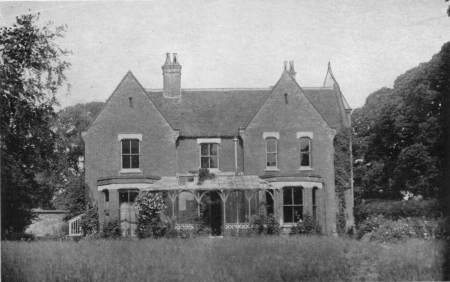
Tucked away in a remote corner of Suffolk lies a building with a sinister past – Borley Rectory. For centuries it had ghostly tales of nuns and headless horsemen in the night, but how much of it was true and how much was a hoax?

Borley Rectory, located in a remote corner of Suffolk, has long been shrouded in mystery and speculation of the paranormal kind. It even used to be described as the most haunted house in England, and that is saying something.

Rumors of hauntings in the large Gothic-style rectory have swirled around the property since its construction in 1862, but to this day no one can say for sure what lies beneath – are the stories simply urban legends, or is something even more sinister at work?

A Closer Look at the History of Borley Rectory

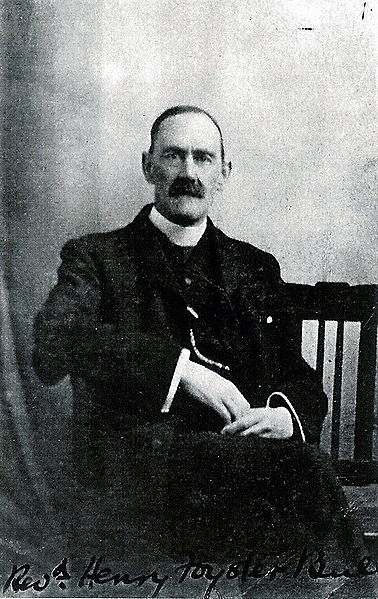
Borley Rectory was constructed in 1862 by Reverend Henry Bull, who served as Rector of the church of St. Mary between 1862 and 1892. 

During this time, many paranormal occurrences were reported by members of the Bull family and visitors to the property, including sightings of phantom figures, unexplained noises and strange lights in the surrounding woods. The case remains unsolved to this day, with experts and amateurs alike still trying to uncover its secrets.

The Headless Horsemen

One of the things people claimed to have seen was the headless horsemen over four decades on various occasions, pulling a phantom coach. This was also the thing the wife of Reverend Smith saw when she later would call the Daily Mirror and get an investigation going in 1929. 

The Death Coach: The “Death Coach,” a prominent figure in the folklore of Northwestern Europe, particularly in Ireland. The death coach is typically described as a black carriage, driven or led by a headless horseman known as the Dullahan. The appearance or sound of the death coach is believed to be an ominous sign, foretelling imminent death either for the observer or a close relative.

The Paranormal Activity in the Borley Rectory

Long before 1929 and the investigation that would follow, the rectory had been talked about as haunted for years. Paranormal activity was reported frequently in and around the Borley Rectory all the way back in 1863. Witnesses described mysterious footsteps, disembodied voices, and unexplainable lights in the surrounding woods. 

The Bull Family: The Rectory used to belong to the Bull family that told countless of ghost stories about the place over the years. This image is photograph of Reverend Henry Dawson Ellis Bull made before 1892

Others even claimed to have seen supernatural figures wandering around the rectory grounds. These reports were collected by investigators that visited the location over the years, creating an intriguing mystery that maintains its fascination today.

The Legend of the Monk and Nun

Before Reverend Smith and his wife moved into the rectory, the Bull family lived there for decades. On July the 28th, 1900, the 4 daughters of the rector claimed to have seen a ghost of a nun in the twilight, just outside of the house. They tried to talk to her, but when they got closer, the spirit seemed to just disappear. 

So called ghost historians talk about a legend from the Benedictine monastery that according to legend was built around 1362. One monk allegedly had a relationship with a nun from the convent not far from the monastery. 

Their affair was apparently discovered  and the monk was executed and the nun was bricked up in the convent walls. 

The Ghost of the Nun: One of the more enduring legends from the Borley Rectory was that it was haunted by a nun. Something that the children from the Bull family told about, as well a different mediums that held a seance at the place.

There was also once conducted a planchette seance in London about the spirits in the Rectory held by the medium Helen Glanville in 1938. She told that she had made contact with a young nun named Marie Lairre. She was a French nun that left her order in France to follow a man, a member of the Waldegrave family and owner of the Rectory in the 17th century. 

She never got that far though and she was murdered inside of the house. Her body was buried in the cellar, or perhaps even thrown in a well that wasn’t in use anymore. She had tried to write on the walls for help from the afterlife to try to get the people to find her body. 

The Skull at Borley Rectory

Fast forwarding to when Reverend Smith and his wife moved into the rectory in 1927, the wife soon started getting suspicious that something wasn’t quite right. Once she was cleaning the cupboard and came across a brown paper bag. When she peered inside, she found the skull of a young woman, and this is when things really started to take off. 

The servant bell would go off, despite not being connected, there were lights in the windows and she kept hearing footsteps and this phantom coach carried by horses at night. 

She got in contact with the Society for Psychical Research through the Daily Mirror, and they then sent a reporter writing about all the strange things that were happening in the rectory. 

Paranormal Investigation of Price

Harry Price was a celebrated investigator who visited Borley Rectory in 1929 and really made the haunted house famous for the country as his accounts were printed in the Daily Mirror. He was attempting to uncover the truth of the supernatural phenomenons. 

Harry Price

During his time there, Price recorded his experiences, noting mysterious phenomena such as cold spots in certain areas of the rectory and inexplicable noises. There were also things like a vase and other objects being thrown and mysterious spirit messages that were being tapped out on the mirror.

According to Mrs Smith, all of these haunted phenomena stopped as soon as Harry Price left the rectory, and she suspected it was him that was behind all the hauntings. 

When Price published the study by the Society for Psychical Research, he rejected most of the rumors that people had reported on, however, most ghost historians discredit this report and books and TV are continuing to be intrigued by the story of the Borley Rectory.

The Exorcisms and Poltergeist Activity

The Smiths left in 1929 and Reverend Foyster moved into the rectory with his wife, Marianne and their adopted daughter, Adelaide. 

Reverend Foyster wrote in 1930, a detailed report to Harry Price about the strange things they had experienced while living there. The bell ringing the Smiths had heard continued, the windows shattered and there were stones and bottles thrown by no one. 

Marianne Foyster even reported to her husband that something had even thrown her out from her bed. 

Reverend Foyster tried twice to repel the hauntings by exorcisms, but it didn’t go so well. In one of the exorcisms he was even hit by a stone in the shoulder. 

After they moved out from the rectory in 1935, people speculated on what was going on in the house. Most blamed Marianne to be the mastermind behind the hauntings, and even though she blamed her husband and psychic researchers that came by to investigate, she later came forward with shocking news. 

She had an affair with one of their lodgers called Frank Pearless, and she had used the paranormal rumors to cover up her lies and deceits. She also had a habit of making her friends fake hauntings to prank her husband. But everything? Marianne claimed not, and said that she really did believe some of the hauntings had been something real, although most could have been the wind. 

The Borley Rectory Report

Harry Price couldn’t let the Borley Rectory be and rented the place in 1937. He let 48 observers stay in the house for longer periods of time and interviewed them about their stay there. 

In 1937, Price published his findings from Borley Rectory in a report which has since become known as ‘The Borley Rectory Report’. In it, he concluded that the rectory was indeed haunted by several distinct entities and spirits. 

Despite decades of debate, no one has been able to conclusively explain or disprove Price Harry’s findings. While some people suggest hoaxes or natural occurrences are behind the phenomena experienced at Borley Rectory, others remain adamant that its walls still echo with supernatural activity – mysteries we may never be able to explain.

The Fire

During the planchette seance in 1938, there was a second spirit that turned. The spirit identified himself as Sunex Amures, and claimed he would set fire to the rectory that year. He also said that the bones of a murdered person would be revealed then. 

There was no fire in 1938, but in 1939, the new owner was unpacking boxes and knocked over an oil lamp. The fire spread quickly and the house was severely damaged. After they investigated, they concluded that the fire seemed to have been started on purpose. 

After they did a quick search in the cellar of the burnt down house, they discovered two ones, something Price thought to have been the bones of a young woman. 

Burnt Down: The Borley Rectory after the fire.

Borley Rectory – a Hoax?

Debate continues over the precise source of the paranormal disturbances experienced at Borley Rectory. While some suggest hoaxes or natural occurrences are behind the phenomena experienced, others remain adamant that its walls still echo with supernatural activity – mysteries we may never be able to explain. 

Many investigators have revisited Borley Rectory since Harry Price’s initial investigation and it is still considered to be a site of major paranormal importance today. Even if Price himself has been thought to have faked many of the phenomenon when he conducted his investigation. Whether it was a hoax or not remains to be seen, but it remains an enduring mystery in the world of ghost hunting.

In 1938 it was confirmed that the legend of the monk and the nun bricked up in the convent had no basis in facts and now many speculate that it was the children in the rectory that made the story up for fun. 

The skull Mrs. Smith supposedly was never accounted for, and the bones they found in the cellar was also debated. The parish refused to have a ceremony because they believed that the bones they had found belonged to a pig. 

In 1944 it was demolished and the land divided before getting new buildings built. 

More like this

Newest Posts

References:

https://en.wikipedia.org/wiki/Borley_Rectory

The Haunting Ghost of the Nun at the University of Castile-La Mancha

Advertisements

At the University of Castile-La Mancha, a chilling secret lies hidden. Brace yourself for a hair-raising encounter with the ghostly nun that has been haunting the halls of this historic institution for centuries. 

From sightings by students and faculty to spine-tingling encounters in the dead of night, the ghost of the nun at the University of Castile-La Mancha has become a legend that continues to send shivers down the spines of all who dare to walk its haunted corridors. 

The University of Castile–La Mancha (UCLM)

Located in the heart of Spain, the University of Castile–La Mancha (UCLM) is a renowned educational institution with a rich history dating back centuries. Situated in the picturesque city of Ciudad Real, the university is known for its stunning architecture and vibrant academic community. However, beneath its serene facade lies a sinister secret that has fascinated students, faculty, and locals alike for generations.

Read more: Check out all of our ghost stories from Spain

There are several places people claim to have seen ghosts on the campus. One location is at the office of the president of the university, which is the building where the convent was and is, according to rumors, haunted by nuns. 

A Former Nun Convent

One of the most intriguing aspects of the University of Castile-La Mancha is its historical connection to a former convent. The building that now houses the university was once a sanctuary for nuns, providing a sheltered haven for devout women in search of spiritual enlightenment. 

As the years passed, the convent transformed into an educational institution, retaining remnants of its religious past. It is within the walls of this converted convent that the ghostly nun is said to wander, her ethereal presence haunting those who cross her path.

Read more: Check out all of our ghost stories about nuns haunting the world like Wessobrunn Abbey’s Ghosts, Dracula and Ghost Nuns in Whitby Abbey or The Haunting of The House of Hohenzollern

Over the years, countless individuals have reported eerie sightings and unexplainable encounters with the ghostly nun. Students have spoken of hearing soft footsteps echoing through the empty corridors, accompanied by an overwhelming feeling of unease.

Others claim to have seen a shadowy figure dressed in religious garb, her face hidden beneath a ghostly veil. These chilling accounts have only served to deepen the mystery surrounding the ghost of the nun, leaving many to question the boundaries between the living and the dead.

People claim to see strange figures walking through the building hallways. There are also reports on the doors that seem to open and close by themselves. 

The enduring mystery of the ghost of the Nun

Despite the countless stories and accounts surrounding the ghost of the nun at the University of Castile-La Mancha, the truth behind her haunting remains elusive. Is she merely a figment of the imagination, a product of collective fear and superstition? Or is there something more sinister at play within the walls of the university? Perhaps we will never know the true origins of this ghostly presence, but one thing is certain: her legacy continues to captivate and terrify all who encounter her. 

Read More: Check out the haunted legends from schools all over the world like Madam Koi Koi and The School Hauntings in Nigeria and The Kong Kong Ghost

The ghost of the nun stands as a testament to the enduring power of folklore and the human fascination with the unknown. As long as the University of Castile-La Mancha exists, her spectral presence will continue to haunt its halls, forever reminding us of the thin veil that separates the living from the dead.

More like this

Newest Posts

References:

Cuarto Milenio y los fantasmas de la Universidad de Castilla-La Mancha en San Pedro – ENCLM

Matlein: Spanish spooky stories.

The Haunting of The House of Hohenzollern

Advertisements

Thes old and noble family House of Hohenzollern in Germany seems to forever be haunted by a Lady in White. Both the ancient family homes of the family, and also the family members, however far they go away, the curse of the house will follow.

In December 1628, the Palace in Berlin can’t keep the cold out, not completely. A hereditary haunting of the ruling family of Prussia sits in the walls of their castles — a bad omen. Most often the bad omen of the curse is seen as a woman dressed in white. You can hear her sometimes, the clanking of the large keys around her waist. A young prince is next this time. She appears to a him and says: – ‘Veni, judica vivos et mortuos’ which means ‘Come, I judge the living and the dead’. The day after, he dies of an illness.

But who is it that haunts this old and noble family? Even the young princes? Years before the young person died, she was also spotted by three young pages in 1619. In one of Hohenzollern Castle halls, it doesn’t need to be the one in Berlin. As long as it is one of the ruling Hohenzollerns. The young pages thought she was a living human being, and approached her. When he asked what she was doing here she turned to him and hit him with her keys, killing him. The two pages ran away, terrified.

The House of Hohenzollerns was growing restless when they heard about the sighting of the woman. She had been spotted again, it was a bad omen. Something was about to happen. Three weeks later, John Sigismund Prince-Elector of the Margraviate of Brandenburg from the House of Hohenzollern, died.

House of Hohenzollern in Germany

The family is an old one. The House of Hohenzollern once ruled what is now known as Germany as a dynasty being princes, electors, kings and emperors. They ruled the lands of Brandenburg, Prussia, The German Empire and as far as to Romania.

Read More: Check out all of our ghost stories from Germany

They began their ruling dynasty in Swabia, in a town called Hechingen during the 11th century and took their name from their ancestral Hohenzollern Castle. The first ancestors of the House of Hohenzollerns were mentioned in 1061.

Burg Hohenzollern on the Hill: The ancestral home in Swabia, Germany, constructed in the early 11th century to the House of Hohenzollern. The haunting may have started here, but the sightings of the White Lady Haunting the family has been spotted everywhere were a member of the family has been residing.

They were the rulers of the lands, growing in power until 18 71 with the unification of the German Empire with the Hohenzollerns as hereditary German Emperors and Kings of Prussia. This title they held until Germany’s defeat in World War I in 1918 led to the German Revolution. The House of Hohenzollerns were overthrown and the Weimar Republic was established, thus bringing an end to the German monarchy.

Sure, they were powerful, and powerful families makes powerful enemies. Blue blood attracts bad blood. But who was so intent on following the family, haunting them for centuries? There have been many claims as to who exactly is the woman behind the hauntings. And this here, is one of the more famed ones.

The Noble Killer Nun Haunting the House of Hohenzollern

Kunigunde von Orlamünde is a ghostly reminder of the ancient past. She was born in 1303 as the first child of Ulrich I, Landgrave of Leuchtenberg, and part of their Bavarian dynasty in the middle-ages.

According to legend, Kunigunde von Orlamünde fell in love in a man called Albrecht the fair, the fourth son of Frederick IV, Burgrave of Nuremberg. A man of the House of Hohenzollern.

The Abbess: Tombstone of Kunigunde von Orlamünde at Himmelskron, is rumored to be behind the curse of the House of Hohenzollern.

Albrecht had expressed that he would marry Kunigunde von Orlamünde, hadn’t it been for that “four eyes did not stand in the way”. Kunigunde thought he meant her son and daughter. Therefore, she stabbed their eyes out with a needle, and they died, freeing her to marry the man she loved.

Johann Löer made a verse about this in 1559:

And thought, those small children I wanted
Will certainly be the eyes that
Robs me of my love!
And if the woman even did
That murdered her own children
That misery robbed their life
That stabbed them with pins
Tender and soft all over

This is not what Albrecht meant though, as he was talking about his parents as they disapproved of their match. He refused to marry her after her actions. He married a woman named Sophie von Henneberg and got two daughters on his own.

Kunigunde von Orlamünde was devastated and full of regret. She had murdered her own children for a man that didn’t even want her. Therefore she started on a pilgrimage to the Vatican to get absolution for her sins from the Pope himself. He ordered her to build a monastery and become a nun. She joined the Kloster Himmelkron.

Read Also: Dracula and Ghost Nuns in Whitby Abbey

In some version she she was sentenced to life in prison for the murders, other tell of how she died on the way to the Vatican, not being able to beg of forgiveness. She is one of the origin stories of the curse over the House of Hohenzollern and she has been haunting the family ever since.

Weiße Frauen Haunting the House of Hohenzollern

Could Kunigunde von Orlamünde be the lady following the haunted House of Hohenzollern? Lurking along the walls with her keys, paying close attention on every male descendant in the family that she never got to be a part of? A family growing bigger by every generation while she cut down her own? In any case, the legend of the Lady in White is old. Perhaps so old that even not history keeps it in its records?

Read More: Check out these German ghost stories based on a Lady in white like The White Lady In Freihung and The Lady in White in Zitadelle Spandau

Basking in the sunlight, hiding in the shadows, her dress is always white. In German legends and folklore the stories of the Weiße Frauen, meaning White Women used to be a name meant to the elven-spirits and the stories of the light elves from pagan times. Many of the ghost stories seems to be based on these old folklore types of myths and legends, even to this day.

The White Lady Haunting Germany: Illustration from the opera, The White Lady. The White women or the Weiße Frauen has been a part of the German mythology for ages. It has know been a part of German ghost stories as well for centuries.

The legend of the Weiße Frauen or white woman has, as everything does, evolved from its elven origins. Now the name is also used on women dying in grief, of sorrow or with a urge of revenge. It has spread throughout Europe and is an image with strong connotations, even today.

The Family Curse Over the House of Hohenzollern

Some call her the White Lady, some call her ‘The Harbinger’. She brings bad luck to those seeing her, and reports of her sightings has been going on for centuries.

In 1667, Louise Henrietta of Orange, the wife of Elector Friedrich Wilhelm of Brandenburg, was lying ill. A few days before she passed away, she saw the White Lady, sitting by her desk almost as an omen that warned the family that death was approaching.

Read More: Check out more ghost stories about curses and cursed people like The Cursed Merchants at Campo dei Mori, Baron Falkenberg that were Cursed to Sail the Sea for 600 Years or The Accursed Mountains of Albania.

The family members started to learn to spot the signs, but was unable to do anything after her sightings. In 1678, the Margrave Erdmann Philip of Brandenburg saw the White Lady in his armchair as he entered his chamber in Baireuth. He left the room, shocked and terrified. The next day he rode his horse out in the court and there was something weird going on. The horse was uneasy, as if seeing something that scared it and he threw the prince off. The Prince stood up, seemingly fine and he retired to his chamber. But after two hours, he was dead.

Weiße Frauen Curse of the House of Hohenzollern: The White lady, also known as the Harbinger, has been haunting the family for centuries, acting as an omen when someone is about to day, and even as a warning. Is it really a curse, or actually someone watching over them, trying to warn them when danger is afoot?

Even the dead ones seems to warn about the White Lady that haunts the House of Hohenzollern. The White Lady was supposedly absent during Frederick the Great’s reign, but in his death, he came back to warn them about her. In 1792 in Paris, his nephew Frederick William the Second was camped outside the city with his troops, ready to attack the next day. That night his dead uncle appeared before him, warning him about the seeing the White Lady if he didn’t call off the attack. His nephew listened and left France, avoiding the harbinger and according to the legend, a certain death.

Even Napoleon tried to spend a night in one of Hohenzollern castles but left bothered by the ghost haunting the place. In 1806 he had defeated Prussia and claimed some of its land as a French province. He left the next day, never to returned, calling it le maudit chateau, ‘the cursed castle’.

But today? Were is she? Just before World War I in 1914, she was last reported. Just before the Archduke Franz Ferdinand was assassinated. After they lost the war Kaiser Wilhelm the Second was the last ruling Hohenzollern, and he later abdicated the throne.

And it is said as long as there is no Hohenzollern that rules, the White Lady will stay in the shadows, and hopefully, outside of the Hohenzollern castles.

What is the Truth Behind the Curse?

Such a dramatic story, but does it ring any truth? What is true is that Kunigunde married Otto VI, Count of Weimar-Orlamünde. Historians refute the legend as according to record, their marriage produced no children. It is true that she and her husband adopted a daughter, Podika von Schaumburg, but she grew up and married Poske Ritter von Schweritz in 1341.

There are also records of her dying in 29th of April in 1382. And if she really was born in 1303 she would have been close to 80 and most likely in a comfortable home, not on the road to Rome or in prison.

Read More: Check out more curses placed on objects like Tomino’s Hell — The Cursed Poem, Cursed Books and Manuscripts and Cursed and Haunted Paintings

Kinigunde’s husband died in 1340, leaving her with a vast inheritance. She spent it on the monastery she herself would join as a nun. Funnily enough, sources tells he actually bought the monastery from Albrecht.

The Harbinger of Death

For a story as old as this one, there is now difficult to separate facts from fiction and the story of the curse that allegedly looms over the House of Hohenzollern seems to still be there, even if no one has reported about the White Lady for a while.

But what about The House of Hohenzollern and their sightings of the White Lady over the centuries? All of their stories? Were they just that? Stories? Or is it that some details of the past is not for us to know. Not the living.

Could it be something else than a woman with a flare for eternal vengeance? Perhaps something even older like the German myths and legends have been telling for ages?

More like this

Newest Posts

source: http://www.historicalblindness.com/blogandpodcast//the-white-ladies-of-german-lore
https://castles.today/linnoja/saksa/hohenzollern/legends/
https://archive.macleans.ca/article/1919/4/1/is-the-ex-kaiser-haunted

The University Magazine: A Literary and Philosophic Review: https://books.google.no/books?id=gDMzAQAAMAAJ&pg=RA4-PA702&lpg=RA4-PA702&dq=House+of+Hohenzollern+haunted&source=bl&ots=vM1XBLfNjb&sig=ACfU3U2mzSiLwgsqT8tF8rD0D9I1JBHgSw&hl=no&sa=X&ved=2ahUKEwi0gZ7v9bbqAhUZ5KYKHfBPAaY4ChDoATABegQICRAB#v=onepage&q=House%20of%20Hohenzollern%20haunted&f=false