Tag Archives: haunted date

Ghosts Haunting The Castle of Loarre in Spain

Advertisements

The Castle of Loarre has more than one ghost. Perhaps you can spot the ghost of the abbess said to haunt the place, or perhaps of the traitor Count Don Julian. Or maybe it is the ghost of Violante de Luna that was exiled by the pope that you hear in the dead of the night?

Spain is a country with a rich history, and with that comes many tales of the supernatural. Some of the most intriguing ghost stories involve the beautiful castles that dot the Spanish countryside. These haunted castles have been the inspiration for countless legends and are guaranteed to send shivers down your spine. 

Towering majestically atop a rugged hill in the heart of Spain, this medieval fortress holds secrets that have remained hidden for centuries. Ridley Scott was so impressed by The Castle of Loarre that he chose it as a location for his movie Kingdom of Heaven.

Read more: Check out all of our ghost stories from Spain 

From its origins as a strategic stronghold to its dark days of war and betrayal, the Castle of Loarre has witnessed it all, its walls echoing with the echoes of past tragedies. 

Historical Significance of the Castle of Loarre

The Castle of Loarre, also known as Loarre Abbey Castle, is a remarkable architectural masterpiece that stands as a testament to the rich history of Spain and is a very well preserved castle in Huesca. It is also one of the oldest castles in Spain. 

Built in the 11th century, it served as a strategic stronghold during the Reconquista, a period marked by the Christian kingdoms’ efforts to recapture the Iberian Peninsula from the Moors. With its strategic location on a hill overlooking the surrounding plains, the castle provided a vantage point for surveillance and defense.

Read more: Check out all of our ghost stories set in Haunted Castles and Fortresses

The castle’s architecture is a marvel in itself, blending Romanesque and Moorish influences. Its imposing walls, constructed with large stone blocks, are a testament to the craftsmanship of the time. As you walk through the castle’s corridors and explore its towers, you can’t help but marvel at the intricate details carved into the stone, telling stories of battles fought and victories won.

The Castle of Loarre as an Abbey

Back in the day the Castle of Loarre was used as an abbey for nuns as a spiritual sanctuary, not a fortress for defense. It is from this time that the haunted rumors came from and the legend says the old abbey is haunted by an old abbess that appears on the night of San Juan.

Read More: Check out Wessobrunn Abbey’s Ghosts, Dracula and Ghost Nuns in Whitby Abbey or The Haunting of The House of Hohenzollern for more ghost stories involving nuns.

It is said that during a military conflict the abbey got caught in the middle and got to pay for it. The Abbess in charge was taken prisoner and locked up in the dungeons of the castle. 

Castle of Loarre: The supposed haunted castle by night.

According to local lore, on the night of San Juan, the abbess makes her spectral appearance, wandering the halls and corridors in search of peace or perhaps retribution for past sins. This is said to happen on the night of San Juan. 

San Juan’s, or St John’s, feast day falls on the 24th of June every year, but it’s on St John’s eve, the 23rd of June, that the celebrations take place.

Visitors to the castle have reported hearing her ghostly footsteps echoing through the empty chambers, accompanied by the flickering of candlelight that mysteriously appears and disappears.

The Ghost of Violante de Luna

Another version of this legend is that the ghost haunting  The Castle of Loarre was a runaway abbess and not necessarily in charge of this place. 

Her name was Violante de Luna living in the early 1400s in Spain where the pope had power throughout all of catholic Europe. She was the niece of Papa Luna, or Pope Benedict XIII and enjoyed the privileges it gave her. But little did she know the price for crossing him would be too high. 

In her youth she took her cousin, Anton de Luna as her lover and she became pregnant.  After her bastard son was born she entered the convent where she became abbess of the Trasobares convent and did quite well for herself. Perhaps she could have it all? 

But then, rumor spread and the pope found out about this affair though and excommunicated them both and burned down her convent. They ran off to this very castle and lived together and it was said she led the siege that came to the castle as Anton had to go fight. 

Because it was not only their life together that angered the pope, but also their involvement in the rebellion in defense of Jaime de Urgell’s candidacy for the Aragonese throne against Fernando de Antequera, a candidate who was finally elected in the Caspe Compromise. And the two lovers fell out of the popes grace in the middle of the feud.

Their time together was short in the castle as Anton had left for battle and Violante was captured by those chasing them when she lost the siege after three months. She was locked up for a few months in Sora, giving the impression to her jailers, due to her fierceness, that she was a woman “who had the devil in her body.” 

What happened next to her is uncertain, some say that she was reunited with her lover in France, some say that she was buried in a monastery. 

But all of the legends say that she is still haunting the castle she gave her all to protect. Some say she appears from time to time, walking through the castle as a ghost, standing in the queen’s balcony waiting for news from her beloved. Some say that she has a sword in her hand, still defending the castle from the enemies knocking on the doors. 

The Haunted Legends and of Count Don Julian

Aside from the ghost abbess, the Castle of Loarre is steeped in other chilling legends and ghostly tales. One such story revolves around Count Don Julian, who is said to be buried within the castle walls. 

There is also the version where Don Julian was buried at the entrance at the church as a traitor for having opened the gates and thereby giving free entry to the peninsula to the Moors to take over large parts of Spain. 

During the battle of the Guadalete River in 711 there was a supposed betrayal by Don Julian that ended in defeat for the Visigothic King Don Rodrigo and the Arabs led by the warlords Tarik and Muza gained entry through the Strait of Gibraltar. 
Count Don Julian’s beloved daughter Florinda was known as La Cava and they supposedly withdrew to this castle to regain strength. But according to the story, they were both captured and imprisoned in the fortress.

The daughter was so scared of what would happen next that she took her own life. She supposedly threw herself from a tower. 
Don Julian was buried at the entrance to the church of San Pedro so that everyone would step on his grave as the traitor he was. 
This version seems a bit of a stretch though as in the time of Don Julian the castle was not yet built. Even so, the legend is that every Tuesday you can see him walking along the battlements. 

Legend has it that his spirit still wanders the castle, seeking revenge on those who wronged him. His tormented soul laments and yearns for the tragic end his daughter suffered. 

Visitors claim to have seen a shadowy figure lurking in the corners of their vision, only to vanish when approached. Others have reported feeling an icy chill in certain rooms, as if the count’s vengeful spirit is still present.

Visit the Haunted Castle

So, if you ever find yourself in Spain, don’t miss the opportunity to visit this ancient castle. Step through its gates and immerse yourself in the haunted history that lies within. But be warned, the Castle of Loarre is not for the faint of heart. The spirits that linger within its walls may just leave you with an unforgettable experience that will send shivers down your spine.

More like this

Newest Posts

References:

Violante de Luna

La morada final (en vida) del fantasma de la fortaleza de Loarre

Los fantasmas del Castillo de Loarre | Sobre Leyendas

10 things about Loarre Castle (Huesca, Spain) that will amaze you. – Go Aragón

Los 10 castillos encantados de España más conocidos, descubre su halo de misterio

The 10 haunted castles in Spain you must visit – Tourtravel & More

The Haunting of Ballyheigue Castle and the Tale of Lost Treasure

Advertisements

One dark night, a Danish ship wrecked not far from Ballyheigue Castle. The ship carried silver and during a raid of the castle, the treasure was lost. What was the real reason for the ship being wrecked, and who was the ghostly figure in a picture taken centuries later?

On the Atlantic coast of Eire, in the serene village of Ballyheigue, stands the enigmatic Ballyheigue Castle. Conceived by the visionary architect Richard Morrison in 1810, this grand mansion was once the proud abode of the illustrious Crosbie family in its Tudor-gothic-revival style. 

Today, it stands as a mere shell of ruins as many of the old Irish castles and mansions, embraced by the lush green expanse of a golf course that was built in 1996.

Read More: Check out all of the ghost stories from Ireland

From 1890, parts of the castle were used as a Royal Irish Constabulary station. May 27, 1921, it succumbed to the flames of the Irish War of Independence, a casualty in the battle against British Imperialism. This was not so uncommon during this time, and many of the old castles and big houses met the same fate. 

Ballyheigue Castle: Now only the ruins stands of the former castle on what is now used as a golf course. It is believed that a ghost is haunting the place as strange figures have showed up on pictures of those visiting. //Source: Wikimedia

It is said that, before the castle met its fiery end, the community rallied to plunder its contents, an act of defiance before the torch was applied. What is true though is that only ruins and ghost stories are now left.

The Ghosts of Ballyheigue Castle

Ballyheigue, pronounced “baleyhigh,” bears the weight of its storied past, once a haven for smugglers who roamed the treacherous Irish coast. This comes to show in the ghost stories and legends.

In June 1962, Captain P. D. O’Donnell and his family went on a holiday in Ballyheigue. O’Donnell, later recounting his experiences in the ‘Ireland of the Welcomes’ magazine, published by Bord Failte Eireann (the Irish Tourist Board), unveiled a chilling chapter of Ballyheigue Castle’s history.

One afternoon during their stay, O’Donnell and his eight-year-old son, Frank, ventured into the crumbling remnants of Ballyheigue Castle. This once-proud fortress had belonged to the Crosbie family, who had wielded power over County Kerry for generations. After thorough exploration of the castle’s ruins, O’Donnell captured several photographs of the decaying walls before going home and developing his holiday pictures.

Curiously, upon developing the photographs, one image revealed an anomaly—a mysterious figure standing in one of the windows. This spectral presence held a sword and appeared dressed in what looked to be a sailors outfit. After checking out what they could, they concluded that this was no result of double exposure.

Alas, the sole print of this haunting photograph, along with the negative, vanished when he sent it to a friend. Despite extensive efforts, including newspaper advertisements and printed leaflets offering substantial rewards, the elusive image remained lost. 

Strangely, offers to purchase the Danish rights to the photograph poured in, even from as far afield as Copenhagen. Why were the Danes so intrigued by a ghostly picture?

The Wreckers of the Coast

As recounted in the ancient chronicles of Kerry, the Danish ship Golden Lyon, part of the Danish Asiatic Company’s fleet en route from Copenhagen to Tranquebar, was wrecked on Ballyheigue beach on October 30, 1730. 

The relentless fury of a storm had cast the ship off course, rendering it vulnerable to the opportunistic Crosbies—so the legends say. Dark tales persist of the Crosbies employing false lights attached to the heads of horses, drawing unsuspecting ships into perilous waters. This was done so the people on land could ‘salvage’ the goods the ships were carrying.  

Ballyheigue Beach: This is the beach that the Danish ship carrying silver wrecked. Perhaps on purpose on those on the beach coming from the castle. //Source: Wikimedia

Sailors on the ships at night were deceived by the bobbing lights that seemed to signal safe passage, and found themselves shipwrecked among the unforgiving Atlantic breakers.

People who did this were called ‘Wreckers’, and was a common story told across the coast and feared the same way ships feared pirates. There are also tales that the crews of these ships were slaughtered to leave no witnesses. 

Common law back then was that the goods from shipwrecks belonged to those residing on the shore it drifted in from and it could be a highly lucrative business of ships coming from far and bringing with them treasures and other goods. 

The Twelve Chests of Silver

The crew of the ill-fated Golden Lyon faced an unforeseen rescue mission, orchestrated by Sir Thomas Crosbie and his cohorts coming from Ballyheigue Castle. Amid the wreckage, they salvaged a substantial portion of the Danish ship’s cargo, including a cache of silver bars and coins concealed within twelve chests. 

The crew were welcomed to the Crosbies and stayed at Ballyheigue Castle. Did the Crosbies really wreck the ship on purpose? Or were they actually the helpful locals they posed as? It wasn’t long before Sir Thomas met an untimely demise, some suspecting poison at the hands of his own wife.

Lady Margaret, widow of Sir Thomas Crosbie, laid claim to a staggering £4,300.00 (equivalent to a princely £110,800.00 today) from Captain J. Heitman, master of the Danish ship, citing it as salvage and compensation for her husband’s demise, attributing him dying to the “labors and exertions on the night of the wreck.” Fearing for the safety of his twelve chests of silver, Captain Heitman transported them to the castle’s cellar, stationing a vigilant guard at the entrance until he could arrange for their return to Denmark.

The Raiding of the Castle

Soon after, there was a raid on Ballyheigue Castle and the chests of silver vanished under the cover of night. Authorities managed to recover a meager £5,000.00 of the total £20,000.00 worth of silver.

Lady Margaret’s name hovered ominously over the shadows of suspicion of her orchestrating the raid, yet she vehemently denied any involvement. Today, local legends weave intricate tales of the whereabouts of the stolen silver.

It is said that one of the sailors standing guard tried to stop the robbery of the chests, but was killed in the process. Could this be the ghost seen in the picture from Ballyheigue Castle O’Donnell saw?

The Death Anniversary of the Ghost

What is also an interesting, and perhaps a creepy fact is the date the picture was taken. Historical records chronicle the Danish Silver Raid transpiring on June 4, 1731. O’Donnell’s photograph of the phantom sailor was taken on June 4, 1962—was it a spectral tribute to this ominous anniversary?

Another legend of the castle is that the silver in fact, never left the building. According to this story, the stolen silver is still underground and the sailor is trying to let us know. Perhaps one day another one will be shown to were it is, who knows, perhaps it will once again be on the anniversary of his death? 

More like this

Newest Posts

References:

Ballyheigue Castle – Mysterious Britain & Ireland 

Ballyheigue Castle – Wikipedia 

Salvage Tradition, Law and Lore – Irish Maritime History 

(PDF) The Ghost of Ballyheigue Castle | Francis Martin O’Donnell – Academia.edu 

Anne Boleyn’s Ghost Haunting the Great Wood at Blickling Estate

Advertisements

It is said that every year, on the anniversary of her death, the ghost of Anne Boleyn returns to her birthplace at Blickling Estate where you can meet her wandering through the haunted Great Woods.

English history is woven with tales of love, betrayal, and tragedy, none more poignant than the life and death of Anne Boleyn. Though her earthly journey was cut short by the executioner’s blade, Anne’s spectral presence endures, with Blickling Estate in Norfolk, England, standing as a haunting backdrop to her restless afterlife.

Within the sprawling expanse of Blickling Estate covering around 4600 acres, the Great Wood conceals secrets that transcend centuries. Towering trees and ancient pathways cradle the whispers of history, and it is here that a pyramidal mausoleum, erected in 1793 to honor the 2nd Earl of Buckingham, becomes a gateway to the spectral realm.

The History of Blickling Hall Estate

The Blickling Hall Estate is a Jacobean stately home and has had many famed British people passing through it. The estate we see today is built upon the ruins of the Tudor style building that once belonged to the Boleyn family and it is said that Anne Boleyn together with her siblings were all born here. 

Anne Boleyn, the second wife of King Henry VIII, is one of the most iconic and controversial figures in English history. Born circa 1501, she captivated the Tudor court with her intelligence, charm, and striking beauty. 

Anne played a pivotal role in the English Reformation, as her marriage to Henry marked the break from the Catholic Church and the establishment of the Church of England. However, her failure to provide a male heir led to her tragic downfall. 

A statue and portrait of Anne may be found at Blickling Estate which carry the inscription, “Anna Bolena hic nata 1507” (Anne Boleyn born here 1507). Although, we don’t really know the exact year she was born and it was probably a bit earlier.

It is also deemed to be one of the most haunted properties of the National Trust and every year the people of Norfolk come to the estate to look for the UK’s perhaps most busy ghost.

Anne Boleyn’s Ghostly Resonance:

Every 19th of May, a spectral figure is said to materialize within the Great Wood — none other than Anne Boleyn herself. Accused of adultery, incest, and treason, Anne Boleyn was executed by beheading on May 19, 1536, at the Tower of London. Her life and death continue to be the subject of fascination and speculation, with tales of her ghost haunting sites associated with her dramatic and tumultuous journey.

Read More: Check out all haunted forests around the world

It is said she appears at midnight, It is as if time itself pauses, and the ethereal veil between past and present becomes permeable, allowing Anne’s ghost to revisit the grounds of Blickling Estate.

People say she is dressed in all white and is carrying her severed and bloody head under her arms. She comes by a coach pulled by four headless horses as well as a headless horseman.

She comes through the forest before entering the big halls, roaming the corridors until the sun rises before disappearing until next year.

The Many Hauntings of Anne Boleyn

In addition to the Great Wood at Blickling Estate, the ghost of Anne Boleyn is rumored to haunt the Tower of London, where she was imprisoned before her execution. Reports suggest that her restless spirit roams the Tower’s corridors and grounds, perhaps searching for solace or retribution. 

Read Also: Unveiling the Dark History of the Tower of London and its Ghosts 

The historic Hever Castle in Kent, Anne Boleyn’s childhood home, is also believed to be visited by her ghost. Visitors and staff at Hever Castle have reported sightings and eerie encounters, contributing to the enduring legend of Anne Boleyn’s haunting presence across various locations associated with her tumultuous life.

Read Also: A Royal Haunting at Christmas

A Cursed Legacy

The haunting tale extends beyond Anne to encompass the Boleyn family’s tragic legacy. Sir Thomas Boleyn, Anne’s father, is believed to suffer from a curse, condemning him to eternal unrest. 

Failing to prevent his daughter’s execution, and even perhaps pushing her into the life as a king’s mistress, Sir Thomas’s spirit is said to wander the grounds ceaselessly, a specter burdened by the weight of history and a father’s sorrow.

The Walk in the Great Woods with Anne Boleyn

Anne Boleyn’s ghostly apparition, forever tethered to the anniversary of her tragic demise, transforms the woodland into a canvas where past and present converge for one night of the year. 

Amidst the ancient trees and the pyramidal mausoleum on the ground, the haunting echoes of history persist, inviting those who venture into the Great Wood to contemplate the enduring legacy of Anne Boleyn on Blickling Estate, only one of the few places her ghost is said to haunt.

More like this

Newest Posts

References:

Blickling Hall – Wikipedia 

Behind the scenes at Blickling Hall, the birthplace of Anne Boleyn | Britain Magazine 

Discover Blickling Hall, Anne Boleyn’s Haunted Home  

Unraveling the Mysteries of the Haunted Château de Châteaubriant

Advertisements

Step into an ancient castle filled with darkness and stories that will send shivers up your spine of murder and ghosts. Inside the old Château de Châteaubriant there are tales of ghost processions on October 16.

Step into the eerie and mysterious Château de Châteaubriant, a magnificent 15th century castle and one of France’s most haunted sites. Enter its dark and imposing halls originally constructed as a defense against Anjou and the Kingdom of France, laden with dark secrets, to experience an unforgettable journey through time. Learn about its chilling legends, hidden secrets, and unsettling specters that linger in the shadows.

History of the Château de Châteaubriant

The Château de Châteaubriant was first constructed in the 11th century, but was heavily modified during the Renaissance which the architecture bears marks of. 

It was taken over by the French during the Mad War after a siege. Over the centuries, it changed hands many times – from its aristocratic owners, to prisoners of war during the revolution, and back again. 

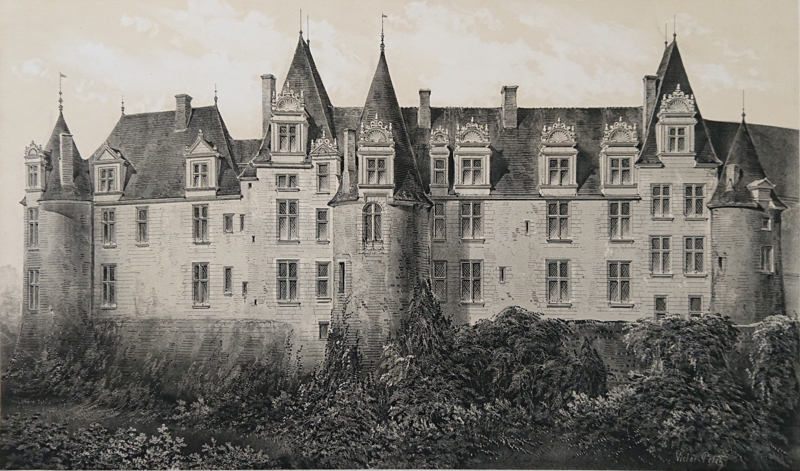
Château de Châteaubriant: drawn by artist Victor Petit in 1871. Already at this point the history of Château de Châteaubriant was old and steeped in legend . It is also said that ghost are walking the halls of the castle every year on October 16th.

Sybille the Shocked Ghost

One of the most famous legends behind the Château de Châteaubriant’s rumored hauntings is that of Sybille, wife of Geoffroy IV. 

Geoffroy IV of Châteaubriant went on crusade to the holy land in the 1250s with King Saint Louis where he was jailed in Egypt after the battle of Mansourah and the entire French army was destroyed by the plague. His death was announced to the Châteaubriant and his wife. 

Sybille, often named Sibylle de la Guerche de Candé started to mourn the death of her dead husband. He wasn’t dead however, and was released from prison and returned to his home and wife a couple of months later. When Sybille saw him again, she fell into his arms and died of the shock. 

She is said to haunt the Château de Châteaubriant at times, but the real haunting is said to be done by the infamous Françoise de Foix, the main mistress of the King of France that did not bear the same loyalty to her husband as Sybille.

The Ghost of Françoise de Foix

In addition to Sybille and other ghosts that are said to haunt Châteaubriant, many also believe in the spirit of Françoise de Foix. She was a tall and dark haired woman that spoke both Latin and Italian as well as writing her own poetry. All of her attributes made her a well sought after woman, and even the King wanted her. 

She was engaged to Jean de Laval, count of  Châteaubriant in 1505 with support of the king and queen Anne de Bretagne and Louis XII. They formally married in 1509 and lived at Château de Châteaubriant.There was a shift in the royals and the new king, Francis I, summoned Jean de Laval to court for his help in 1516. 

Françoise de Foix followed him and became the lady in waiting for Queen Claude de France as well as becoming the chief mistress to King Francis I. At official events she was placed near to the royal princesses, signifying that she was La mye du roi, or the Sweetheart of the King to the rest of the court.

Jean de Laval was sent to fight in the Italian Wars and became Governor of Brittany in 1531. He was aware of the affair but seemed unaffected by it all when his wife remained the King’s mistress for over a decade.

Françoise de Foix was rejected from court in 1525 when the young and blonde Anne de Pisseleu d’Heilly caught the King’s attention and affection. Because of this, she returned to Châteaubriant to live with her husband. 

Killed by her husband Jean de Laval

She died on 16th of October in 1537, most likely of sickness are we to believe some. There is however a different theory. It is said that her husband killed her. 

Read also: This is not the only story of a ghost haunting a French castle after a woman was killed by her husband: The Prisoner of Château de Puymartin

Jean de Laval, also known as John III of Laval-Châteaubriant was according to legend, an incredibly bloodthirsty baron who killed anyone who opposed him and ruthlessly tortured his enemies. 

It is said that he shut his wife in a dark and padded cell and had her killed because of her relationship with the king or something else entirely. Some even think that he locked her up and poisoned her or bled her to death slowly.

The Assassination of Françoise de Foix: The legend of her death are widespread and depicted in art. Here from a book from 1816 by Augustine Gottis.

Ghost Procession at Midnight

Some say they can still hear her weeping within the walls of Châteaubriant and others have even seen her standing near windows or atop towers in traditional 16th-century dress, but perhaps she is best known to appear in the ghost procession on her death anniversary.

Ever since then, there have been a ghost procession in the Château de Châteaubriant in honor of her death on October 16 of monks and knights slowly ascending the main stairs before vanishing. Her ghost is said to come back for this night as the procession begins at the stroke of midnight. 

More like this

Newest Posts

References

Featured Image: source

Françoise de Foix — Wikipédia 

Château de Châteaubriant – Wikipedia

Les fantômes sont des choses qui arrivent – chateau-chateaubriant

Le château de Châteaubriant et la légende de Sibylle

Haunted and Unlucky Numbers

Advertisements

Are there haunted numbers around the world that mean bad luck? Around the world there are different numbers that are connected to bad luck, hauntings and ghosts and death. These are some of haunted and unlucky numbers around the world. 

From high risers and Beijing to flight numbers to New York and car numbers in Italy, they are all influenced by people’s fear for particular numbers. Some bad numbers come from dates where something horrible happened, the sound of it being similar to something bad or it may be biblical. 

And even today, in what we think is a modern world, free from old superstitions, the fear of haunted and unlucky numbers affects both the economy and how many floors there are in an elevator. 

Advertisements

Number 4

Many places in the west, the number 4 is seen as a lucky number. To find a four clover means good luck, and according to superstition many places, the number 4 is seen as lucky since it is connected with so many things in nature like cardinal directions, the four seasons and the four elements. 

However, in Eastern Asia countries the number is seen as an haunted and unlucky number in countries like China, Korea and Japan. Four, written 四 or 肆 said out loud sounds a lot like the word for ‘Death’ 死. Many things skip this number because of this superstition like buildings, floors, car parks and addresses.

Advertisements

Number 13

The name for the fear of number 13 is called triskaidekaphobia. Every year when Friday the 13th comes around in the U.S, the economy loses almost a billion dollars in business. As buildings in China for instance don’t have a 4th floor, many places in the U.S as well as other places in the west don’t have a 13th floor and houses often skip over the haunted and unlucky number 13.

There are a lot of theories as to why the number 13 has such a bad connection to it. Many of them connected to how many people sat around a dinner table. Like in the norse myth where the 13th guest turned up to a party with 12 Gods. One of them died and more bad luck followed. It is also connected to Judas and how he was the 13th guest at the last supper, the start of his betrayal to Jesus. 

Other reasons for this number is that On Friday, 13 October 1307, King Philip IV of France ordered the arrest of the Knights Templar, and most of the knights were tortured and killed, the end of calendars and how there is more than 12 true months in a year. This created problems for those making the calendars. 

Advertisements

Number 17

In Italian culture, the number 13 is actually considered as a lucky number. But the number 17 is considered unlucky and has been since Roman times. When 17 is viewed as the Roman numeral, XVII it is anagrammatically to VIXI, which in the Latin language translates to “I lived” or “My life is over.” 

Due to this negative connotation, Italians avoid the number 17 in number airline seats, flights or the floors in buildings. The French carmaker Renault sold its “R17” model in Italy as “R177.” It is also for the same reason that Friday the 17th is the most unlucky day in Italy.

Advertisements

Number 666

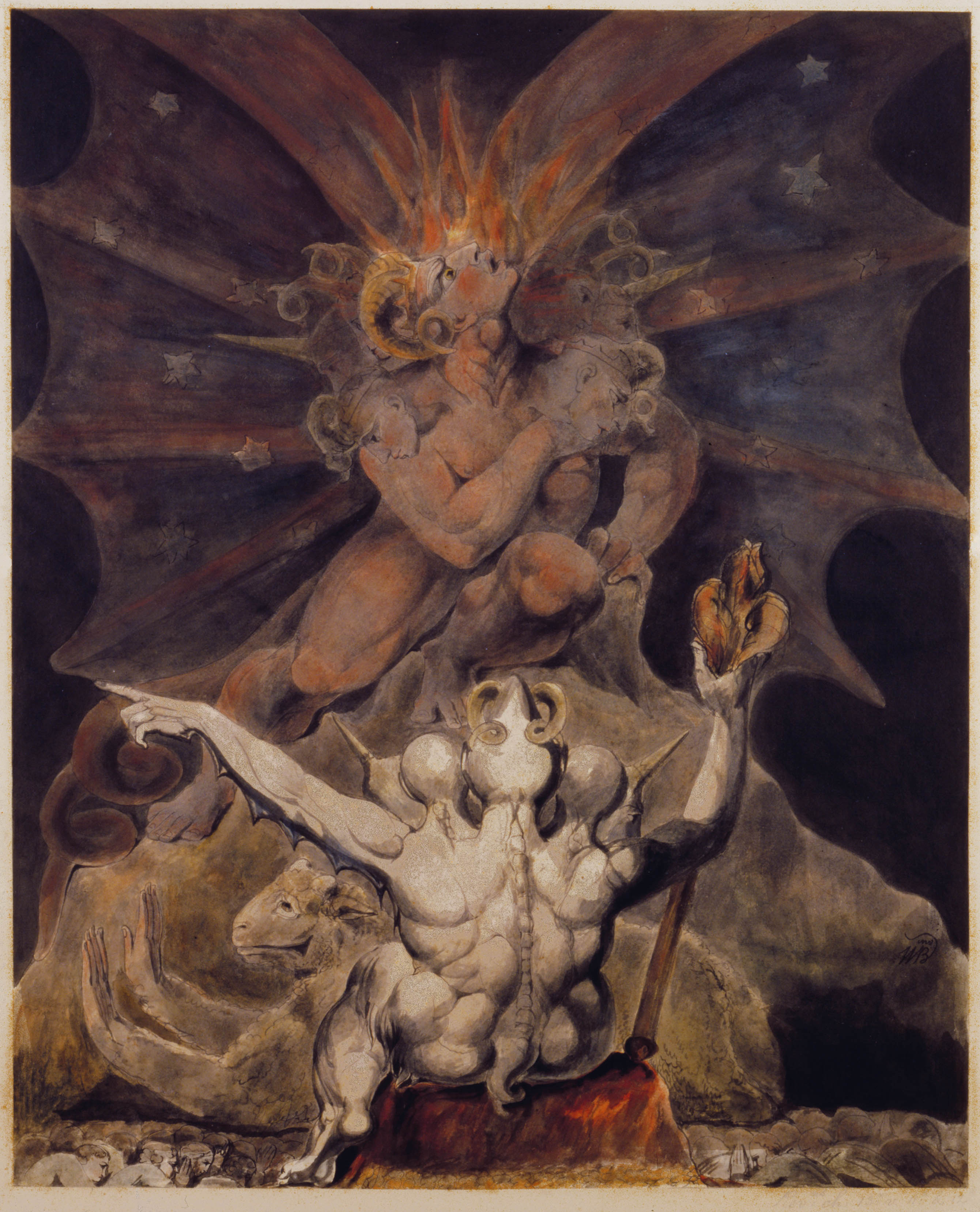
We find this demonic number in the Bible and is associated with the Beast of Revelation in chapter 13, verse 18. The haunted and unlucky numbers are known as a symbol for Antichrist himself or the devil and bear satanic powers. 

The fear of the number is called hexakosioihexekontahexaphobia. There are therefore many hesitating before boarding a flight number with the mark of the beast or picking up a phone with these numbers. This is as every other number, based solely on culture though. In Chinese, the word for six sounds similar to the word for smooth or flowing and is therefore a lucky number, not a satanic one. 

Advertisements

More like this

Newest Posts

References

Ghost Stories of Christmas Hauntings

Advertisements

Christmas Christmas is supposed to be the merry season with joy and light in the darkness. But many places is haunted by ghosts and paranormal activity in during this time. In fact, many of these ghost stories are haunted especially around Christmas. Here are some of the ghost stories that are told during Christmas times.

The Mistletoe Bough

The Legend of the Mistletoe Bough or the Mistletoe Bride is a ghost tale that many big houses claim as their own. Bramshill House is one of them. It tells the story of a girl that on her wedding day initiate a game of hide and seek on her wedding feast and is never seen again. Years goes by without a trace of her before she is found in a chest where she hid so many years ago with claw marks on the lid. The story is often set on Christmas day and it was certainly a tale they used to tell during Christmas times.

Read the full story of The Mistletoe Bough

Advertisements

Fatima’s Harp

A great hall during Christmas times with good food, merry guests and an unmistakable sound of a harp playing a love song. Scared yet? No? Sounds like the right vibe for a cozy Christmas time perhaps. But if the harp playing comes from nowhere, and no one is playing, scared then? This is what festive guests might hear echoing through the halls every Christmas Eve at Stubley Hall, reminiscing about the tragedy of war and love. 

A temple knight returned from the holy land marries another that he promised. On Christmas Eve when the wedding was held, the left woman died and haunts him while playing the harp, luring out the man who left her were he dies. And on every Christmas after this, the sound of a harp is heard playing by no one.

Read the full story of Fatima’s Harp

Advertisements

The Legend of the Mothman

A haunted town, or just a townie with the biggest hoax of all time? The legend of the Mothman reached a craze in the small town of Point Pleasant in West Virginia in the 60’s. It has everything from a classic pulp science fiction movie from that time. UFO’s, monsters in the sky, an abandoned chemical plant from the war and a Black 57′ Chevy. But what has it to do with Christmas?

On 15th of December, 1967, the Silver Bridge collapsed. It connected Point Pleasant to Ohio and was an eyebar-chain suspension bridge built in 1928. When it collapsed under the weight of rush-hour traffic, it resulted it the death of 46 people.

Sightings of the strange monster had been spotted by many in the time before the tragedy. Some saw the Mothman as a premonition of the oncoming disaster, some saw it as the cause of it. In any case, this spurred the legend that the Mothman was an Omen of Doom.

Read the full story of The Mothman

The Legend of the Mothman

A haunted town, or just a townie with the biggest hoax of all time? The legend of the Mothman reached a craze in the small town of Point Pleasant in West Virginia in the 60’s. It has everything from a classic pulp science fiction movie from that time. UFO’s, monsters in the sky, an abandoned…

Keep reading
Advertisements

Anne Boleyn at Hever Castle

Anne Boleyn is a ghost that are spotted across England. But during Christmas times, it is reported that she is haunting her childhood home at Hever castle.

Every Christmas she is said to make an appearance at Hever Castle, at least it is now expected. Christmas was supposedly her favourite time and Hever Castle was her childhood home with good memories. And contrary to how her ghost is seen at other locations, headless and darkly dressed for instance, it is said she is seen as more happy and content when spotted here.

It has also been said she has been seen walking across the beautiful bridge on the premise that crosses River Eden, perhaps on her way home to the place of her happy and innocent childhood.

Read the full story of the ghost of Anne Boleyn

Advertisements

The Highwayman in Kent

On a chilly Christmas Eve a woman and her father were riding in their carriage down the Road to Hawkhurst Kent. In the eighteenth century highwaymen were notorious and feared in the English countryside. They robbed whoever came their way, and sometimes, the robbery went more violently than necessary.

The Highwayman was trying to rob a woman in her carriage, but it went wrong and she killed him before fleeing into the woods. She was found the next day, but never recovered from the robbery as she went mad. And every Christmas Eve since, the same scene, the robbery, the murder is repeated by their ghosts.

Read the full story of the ghost of the Highwayman

Advertisements

The Brown Lady of Raynham Hall

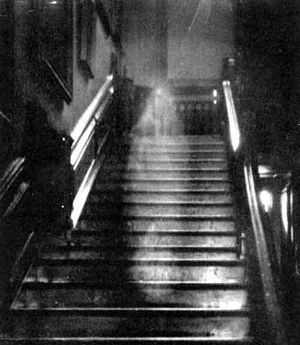
The Brown Lady of Raynham Hall is probably one of the most iconic ghost pictures out there. Is it real? Was it just a double exposure? The picture of the Brown Lady of Raynham Hall has been viral since 1936. A photographer that year took the infamous picture, forever putting it in the mystery box for people to wonder about ever since.

But what is the story behind it? And who is that ghostly figure? According to legend, the Brown Lady of Raynham Hall is the lost ghost of Dorothy Walpole and she lived a very unhappy life with her violent and bad tempered husband according to gossip. And very often, especially during Christmas times, the ghost of the Brown Lady is reported to have been spotted.

Read the full story of the ghost of The Brown Lady of Raynham Hall

Advertisements

More like this

Newest Posts

References

The Pirate Haunting Burgh Island

Advertisements

Treasures hidden in the caves, a restless ghost of a pirate and an endless murder mystery location: The Burgh Island is continuing to serve as a place of mystery to the visitors.

“He thought: Peaceful sound. Peaceful place…. He thought: Best of an island is once you get there—you can’t go any farther … you’ve come to the end of things…. He knew, suddenly, that he didn’t want to leave the island.”
Agatha Christie, And Then There Were None

Burgh Island is today most known through Agatha Christie’s murder mystery novel “And Then There Were None’ and tells the story of a group of people stranded on an island with a murderer in their midst. And considering the story of the Island on the English coast, it is understandable it had to be this place that inspired the crime queen herself. 

Advertisements

It is a tidal island on the coast of South Devon with two of the most famous buildings being the Art Deco Burgh Island Hotel and the pub, the Pilchard Inn. Now it is a cozy place to enjoy the fresh air of the coast, have a few beer and solve the murder mystery evenings the hotel puts on, but it didn’t always use to be a nice getaway place for the bored.

The Pirate Hideout

In the 14th century the coast of Devon was infamous for its piracy. It was great to use as a hideout place as the island is cut off by the tide twice a day and was an easy place to defend against those trying to bring the pirates to justice. 

Today the island is known for hosting extravagant guests where the likes of The Beatles, Agatha Christie and Churchill have stayed. The building that stands today was built in 1929, but the history of this inn comes from a much more scandalous and illegal beginning. 

Tom Crocker was a famous pirate known to have used the Pilchard Inn Pub as well as the island’s southern caves as a hideout for his smuggling business when the island was known as Burr Island. 

The Pirate Ghost

But Crocker’s days as a pirate finally came to an end and he was hanged in the third week of August in 1395, some setting it to the 14th or the 15th of August, but the year however is not confirmed and it could be much later. 

This was not the end of his time on the island though. He is said to haunt the Pilchard Inn Pub where he used to spend his time when he was not at sea. Some even say this is the place he died as he was shot. However which year or of what killed him, it is here he makes his appearance on the anniversary of his death. 

He has been seen rattling doors and walking all over the island, supposedly to search for his hidden treasures, and who knows, perhaps there really is one about? 

Advertisements

More like this

Newest Posts

References

The viking ghosts which still haunt this bloody corner of Devon and 11 other spooky legends you have never heard of

THE PILCHARD INN – Burgh Island

Starters & light treasures The big robbery Sweet and savoury treats Daily treats – available all day

28th of December – The Original Friday 13th

Advertisements

On the Christian Calendar, apparently the 28th of December is the most unluckiest day on the calendar. The day was remembered as a sort of Friday the 13th. after a massacre of innocent children happened. This is the story of Childermass.

Once upon the time, the 28th of December was a day known as Feast of the Holy Innocent or Childermass. Why was it called Childermass? A bit odd name for a church day, but certainly the most fitting because of its backstory. The reason behind the name tells a sad story on tops of the memory of dead children.

The Massacre of Innocent in Bethlehem

“Herod the King, in his raging,
Charged he hath this day;
His men of might, in his own sight,
All children young, to slay.”

– The Coventry Carol

28th of December, or Childermass remembers the day when King Herod commanded the slaughter of all the young male children under the age of two in Bethlehem. The sources of this happening is what we have been told in the Bible as told in Matthew 2:16. 

The Romans appointed him King of Judea in 37 B.C, and King Herod executed the children to prevent the new King of the Jews to rise that was foretold in the Old Testament.

Read Also: Check out more Haunted and Unlucky Numbers her in the Moonmausoleum.

Most of the biblical scholars tend to believe the story of the massacre of the children is a myth, but the Church thinks differently and remember the day as it was a real thing that happened. The christian scholars think that the slaughtered children are the first Christian martyrs and are celebrated like that.

Childermass and the slaughter of innocent: The Massacre of the Innocents painted between 1582 and 1587 by Jacopo Tintoretto. It depicts the massacre that was believed to have happened in Bethlehem on 28th of December and is remembered as Childermass or Feast of the Holy Innocents.

In the western church the date is marked to be on 28th of December. In the eastern church it is marked on the 29th of December. Why then do we keep remembering this day that maybe didn’t even happen, perhaps even today? According to a CBC article on the matter, a Dr. Gary Waite, teaching about European religion, witchcraft and the devil says:

“In the medieval era, every household would have experienced the death of a child, The feast of the Holy Innocents would have spoken to an experience that almost all families shared.”

Advertisements

And even though the church never intended that the 28th of December was going to be remembered to be an an unlucky one, folk traditions, fears and believes were not easily persuaded.

The Childermass day was considered cursed by many. In Francis Kildale’s glossary from 1855, he called it: “that the day of the week on which it falls is marked as a black day for the whole year to come.”

Superstitions of the Childermass Day

No ships were supposed to take off from the ports on 28th of December and it was considered omen for weather. The Childermass day was also a day one didn’t get married and it was dangerous for children just in general. Up until the seventeenth century it was considered good luck to beat the child with a stick on childermass to remember the suffering of Jesus.

Read More: Check out more Sailors Superstitions

Childermass, or the Holy Innocents Day is not really celebrated much today though, and the feeling that the day is unlucky has also dwindled over the years. In some household it is a day were the youngest gets all the power for the day, and in Mexico it is a day for younger people to prank the older.

Today we don’t really head the old superstitions of the olden days. Although. The number 13 is actually neglected on buildings storey buildings and the likes. So… What made the 28th any different?

Advertisements

More like this

Newest Posts