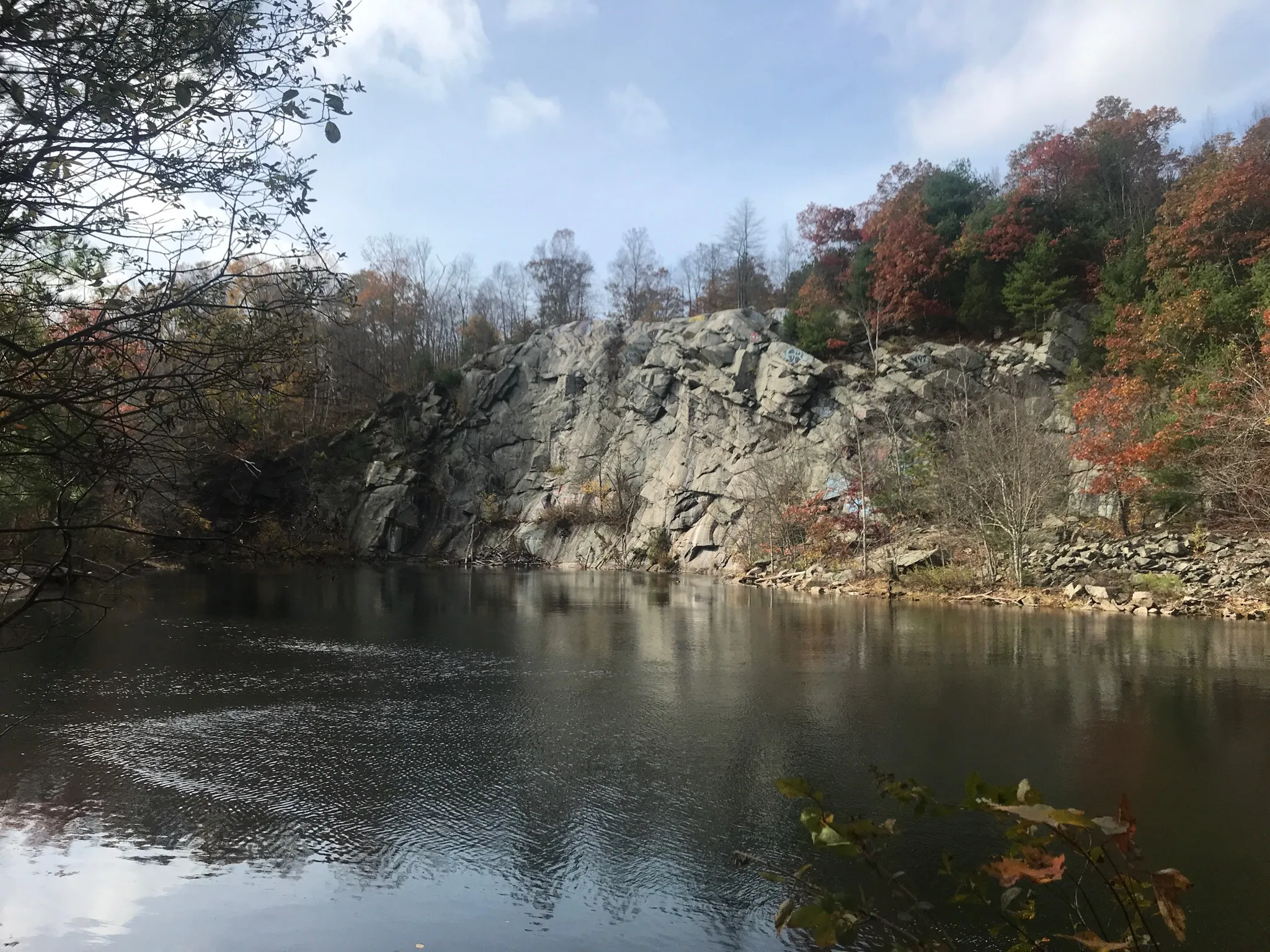
Frozen in all eternity as a stone below the old castle of Duino on the cliffs. It is said to be haunted by the Lady in White, the former lady of the castle, thrown off the cliffs by her jealous husband. Now she returns to the castle to watch over her child she left behind.
Lovers, if Angels could understand them, might utter
strange things in the midnight air.
– Rainer Maria Rilke, Duino Elegies
High above the Gulf of Trieste on a rugged cliffside stands the ruins of the old Duino Castle, a fortress of ancient stones and whispered sorrows. According to stories, this was once a place of druidic worship dedicated to the Sun God. The oldest written document that deals with the fortress of Duino dated 1139, built on the ruins of a Roman outpost, the period in which the dominion of the Tybein de Dewino, or Tybeiner who were vassals of the patriarchs of Aquileia.
Read more: Check out all ghost stories from Italy
The castle ruins we can see today date back to the castle from 1389, when the Wallsee family commanded the construction of a strong fortress. Over time, the Wallsee family disappeared and the castle, after having been used as a prison, became the residence of the Luogar and Hofer.


Tales of the old Duino Castle and area have been immortalized by the Austrian poet Rainer Maria Rilke in his Duino Elegies. Though its walls have withstood centuries of storms, wars, and noble intrigues, one tale lingers more vividly than any written in the history books — the legend of the White Lady, a spirit trapped between grief and stone.


The Jealous Knight and the Locked Tower
Centuries ago, according to local lore, a powerful and cruel knight lived in the castle with his beautiful young wife and their infant son. Some sources give her the name Esterina da Portole. This version was told to Rainer Maria Rilke, who was a frequent guest to Duino Castle by his dear friend, Princess Marie of Thurn und Taxis.
Read more: Check out all haunted castles around the world
The knight was renowned for his wrath and his greed — and his unbearable jealousy. He was always in a fight with his enemies who plundered the village and his properties.
So striking was his wife’s beauty that he refused to allow anyone else to see her and he was terrified that some other noble would take her away. It was rumored that when he was away, they would try to get her to run away with them. But every time a suitor came, she rejected him, staying loyal to her husband, loving her captor despite it all. Each time he left on military campaigns or diplomatic missions, he would lock her away in a tower on the edge of the cliff, where no eyes but his own could admire her.
The woman, though imprisoned, bore her fate with quiet dignity. A model of patience and compassion, she spent her days tending to her child, singing lullabies through the high windows of her stone prison, gazing longingly at the sea below.
A Fatal Return and Divine Intervention
One fateful day, the knight returned from a long and grueling campaign. Weary, paranoid, and possessed by a wild suspicion that his wife had been unfaithful — despite her unwavering loyalty — he flew into a fit of uncontrollable rage. In his madness, he dragged her to the edge of the cliff and hurled her from the tower. In some versions he planned it all, lured her out to the cliffs and pushed her off.
But the sea never claimed her.
According to legend, God took pity on the faithful woman, and before her body could be shattered on the rocks below, she was transformed into white stone — frozen mid-fall, her soul spared but not freed. Her grief was so great, her maternal longing so powerful, that even as her body became rock, her spirit remained trapped, condemned to search for her lost child for all eternity.


The Wandering Ghost of Midnight
To this day, the locals of Duino whisper that at midnight, when the winds from the Adriatic stir the waves below the castle, the White Lady awakens, or La Dama Bianca di Duino as she is known in Italy. Her stone form detaches from the cliffside and takes on spectral life. It is said that she appears and disappears three times in the night. Cloaked in white, she wanders the halls of the old Duino Castle, her translucent figure searching every room, desperate to find her infant’s cradle.
Witnesses have described hearing soft footsteps in empty rooms, the sound of a mother weeping, and even lullabies drifting through the corridors on moonlit nights. Others tell of a Roman candle that is in a castle hall every night burns and crosses the salons until the doors open by themselves.
The apparition never speaks, but her anguish is palpable. And just before dawn, when the first light touches the cliffs, the Lady in White walks back to her ledge, turns once more to stone, and resumes her eternal vigil.
The Stone That Still Watches
In the stories told to Rilke, there is another version of how the rock was formed. This version describes a young princess named Duna, 13, who had “green eyes that look like the sea.” She fell in love with Rein, 15, a boy from a fishing village near Duino Castle. Her father, King Aquillio, opposed their romance, demanding that Rein sail into the sea in a storm. Forced to obey, Rein set out but never returned. Heartbroken, Duna went to the rocks below the castle to look for him, hoping he would come back. She stayed there so long, embracing a large rock, that she eventually turned to stone herself.


Tourists who visit Duino Castle today can still see the White Lady’s Rock or the Rocca della Dama Bianca. It’s a striking limestone outcrop that juts from the cliff just beneath the castle’s walls. From the sea, the rock’s form eerily resembles a robed woman mid-fall or mid-reach, her face lifted toward the fortress. Sailors and fishermen long claimed the figure protected them from storms, while others say it’s best not to look too long, lest the Lady’s sorrow follow you home.
Newest Posts
- Rathfarnham Castle and the Lingering Ghosts Haunting itThe whole estate of Rathfarnham Castle in south Dublin is said to have its ghosts. From the antique ballroom, its icy lakes and roads leading up to it, ghosts are said to linger.
- The Ghost of the Psychic Anne Brandfjell Haunting the old Sjømannsskolen in Oslo

 Is the ghost of Anne Brandfjell, a famous fortune teller and wise wife from Norway haunting the old Maritime school in Oslo?
 - John Mulligans and the Pub Ghost on Poolbeg Street
 A stop on the haunted pub crawl through Dublin, one of the stops would be John Mulligan’s. Stories about glass and bottles flying from the shelves has haunted the place for decades now according to the people behind the bar.
 - The Ghost of General Birthe of Elingaard
 Ruling her Elingaard Manor house with an iron fist, the noble Birgitte Kaas is said to haunt it in her afterlife as well. But what is the truth of her strange disappearance and whispers about a deal with the devil?
 - Loogaroo: The Shape-Shifting Vampire of Caribbean Folklore
 Hanging her skin in trees every night, the vampiric Loogaroo across the Caribbean goes out to hunt for blood to quench her thirst as well as pay her dark lord for her dark powers.
 - The Devil’s Castle in the Aubinger Lohe and the Hidden Treasure
 Said to be the location of a hidden treasure, the old nobles from the Devil’s Castle in the Bavarian hills are said to roam the forest, still searching for it.
 - The Devil’s Footprint in Frauenkirche in Munich
 Inside one of Munich’s landmark churches, something devilish is said to be stamped on the floor. In the middle of the room, a black footprint is clearly seen, named The Devil’s Footprint, as he was said to have left it there.
 - The Cursed Black Cat at Promenadeplatz in Munich
 Once the house of a greedy grain speculator, the haunted house at Promenadeplatz in Munich is said to be haunted by the man in the form of a cat, as penance after a curse drove him to ruin.
 - The Kuntilanak and the Pontianak: Vampiric Ghosts of the Banana Tree
 At the cusp of a vengeful ghost and a vampiric entity, the Kuntilanak of Indonesia, or the Pontianak as she is called in Malaysia, is after both vengeance and to devour her victims.
 - The City of Pontianak and the Vampiric Ghost its Named After
 How haunted is a city to be named after its ghosts? This is the case of the Indonesian city of Pontianak, said to have been haunted by the fearsome ghosts known as the Pontianak or the Kuntinalak ghosts, thirsting for blood and vengeance.
 - The Lady in White Haunting Ebersberg Forest
 Said to haunt the area around The Hubertus Chapel in the vast Ebersberg Forest in Bavaria, Germany, the Lady in White is seeking revenge for those refusing her a ride. But is she truly the only thing haunting this old and mystic forest?
 - The Plague Dance and the Dragon who Brought it to Munich
 Once, a plague ridden Lindworm was said to crawl out from the darkness, and attack the people of Munich. After defeating the dragon, and ridding themselves of the plague, a ceremonial dance has been danced through the city for over 500 years.

References:
The White Lady Legend, Duino Castle, Trieste, Friuli Venezia Giulia