Category Archives: UK

Royal Christmas at Haunted Sandringham House

Advertisements

Every year the British Royal family celebrates their Christmas at Sandringham House in Norfolk, England. Stories say that the place is particularly haunted during the Christmas season both for the royals and their servants.  

One Christmas in 1996, the footman, Shaun Croasdale made his way down to the wine cellar to pick out some wine for the royals that had come to celebrate Christmas at Sandringham House. With wine bottles in his hand, he suddenly saw one of the favorite servants of the late Queen, Tony Jarred. 

Perhaps this is nothing to worry about, except that Tony Jarred had died the previous year after almost 40 years in service for her majesty. The footman dropped the bottles and ran screaming from the cellar. No one was really surprised at this however, as it was Christmas time, and Sandringham House is notoriously haunted every year. 

Ghost of Christmas Pasts at Sandringham House

England has its fair share of ghostly history and Christmas time is no different. Each year, English haunted buildings come alive with stories of ghosts, spirits and shadows of the past. From extravagant castles to medieval manor houses, spooky apparitions haunt the grounds and make their presence known during the winter season.

Many people believe that these ghosts are lords and servants who once inhabited these old buildings, now returning during Christmas to either fulfill a task or simply bring good cheer and memories to those they left behind. Moreover, Christmas ghost stories have become a beloved pastime among many Brits who can be found throughout England’s haunted buildings searching for their own spooky mysteries.

Sandringham House, located in Norfolk, England, is the private residence of the British royal family and has been since 1862. Every year, the Queen and her family spend Christmas at Sandringham House, a tradition that dates back over a century.

In the later years though, it has also been known as an annual haunting, starting most often at Christmas Eve and lasting for a few weeks.

History of Christmas at Sandringham House

The tradition of spending Christmas at Sandringham House began in the late 19th century, when Queen Victoria’s son, King Edward VII, purchased the estate. Since then, the royal family has spent every Christmas at Sandringham House, with the exception of a few years during World War II.

The Queen and her family typically arrive at Sandringham House a few days before Christmas, and spend the holiday period together. The festivities include a number of traditions, such as the exchange of gifts on Christmas Eve and a formal dinner on Christmas Day.

Christmas at Sandringham House Today

Today, Christmas at Sandringham House is a highly anticipated event, both for the royal family and for the public. Members of the royal family attend a Christmas Day church service at St. Mary Magdalene Church, which is located on the Sandringham estate. Crowds of well-wishers gather outside the church to catch a glimpse of the royals as they arrive and leave.

In addition to the church service, the Queen and her family participate in a number of other holiday traditions. These include a Christmas Eve dinner, where the family exchanges gifts, and a Boxing Day pheasant shoot.

Ghost Haunting SAndringham House

So who is it actually that haunts Sandringham House, even in the place of the royals?

The Victorian residence has been said to have some sort of poltergeist-like activity, especially in the servant quarters of the house where blankets are pulled off the beds. They hear mysterious footsteps in the dead of night and the doors are closing and opening by themselves. 

The most haunted place is the sergeant footman’s corridor where the maids only go in pair or groups. The lights turn on and off and there have also been said to be a heavy and haunted breathing from the empty rooms in the service corridors, and at one point, servants were refusing to go into certain rooms as they thought the heavy breathing was the ghost of a former footman. 
Christmas cards move around and are thrown all over the floor on Christmas Eve. 

Even the Royals have Noticed the Hauntings

It is not only the servants that have said they have felt the haunting presence, but even the King himself is said to have noticed. 
Ken Stronach, the valet of King Charles said in an interview that:

 “Everyone believes there are ghosts because so many have -experienced them, ¬ including Prince Charles. There are old parts of the house where nobody wants to go or be alone,”

The valet also talked about an incident in the mid 80’s where they also had an experience of a drop in temperature and that they both were convinced that someone was there in the room with them. 

The uncle of Prince Phillip, Prince Christopher of Greece claimed to have seen the head and shoulders of a woman in a mirror when he was staying in Sandringham. Later he saw a portrait of the woman that he claimed it was of. Her name was Dorothy Walpole, and has been called the Brown Lady as she has been frequently seen haunting her old home in Raynham Hall in Norfolk. 

Read More about: The Lady in Brown at Raynham Hall

The Haunted Library Making Sure Staff is Working

Also the library in the house is said to be one of the more haunted rooms in the house. A servant was once napping in the room when being woken up by the books flying off the shelves. The hands of an old clock are also said to be moving by themselves, not following the time at all. 

Queen Elizabeth had an Exorcism?

One of the more surprising things that happened though, is when the late Queen Elizabeth II had a ritual in one of the rooms because of the ghosts they believed resided in there. 

The room in question belonged to the Queen’s late father, King George VI on the ground floor they used for him before his death, and it was said it was so haunted that the staff refused to work there. 

According to reports, a person came to hold a service to, as quoted, “not exactly of exorcism, but bringing tranquility.”
The service was to hola a congregation where they took the Holy Communion and said some special prayers. 

More like this

Newest Posts

References:

Nightmare before Christmas: The history of festive ghost stories

Christmas at Haunted Sandringham – Paranormal

The ghostly history of Sandringham House where the Royal Family will be spending Christmas – MyLondon

The Ghosts Children Begging in Bramber

Advertisements

Dressed in rags in the cold Christmas season, the ghost of the children from the haunted Bramber Castle haunts the roads, begging for food as they starved to death on the King’s order. This is the eerie Christmas tale of The Ghosts Children Begging in Bramber. 

It has always been said that the English are obsessed with ghosts and other mysterious happenings, and this is especially true at Christmas time. With old castles and lordly manors dotting the country there are more than enough haunted places for stories to come alive. 

Read more about: Christmas Hauntings Ghost Stories of Christmas Hauntings from the world, but mostly England.

England is filled with tales of Christmas hauntings, where ghosts roam about the old buildings telling their stories of days gone by. This is also the case about the horrible and tragic legend of The Ghosts Children Begging in Bramber.

The Ruins of the Bramber Castle

For centuries Bramber in Sussex, England was owned by the powerful de Braose family who were lords of Bramber and had their seat at Bramber Castle that dates back to 1070 overlooking the River Adur. 

The ruins of Bramber Castle: Part of the remains of Bramber Castle.//Source: Marathon/Wikimedia

The House of Braose was a prominent family of Anglo-Norman nobles that grew powerful under King John in particular. 
Now there are only ruins left of the Bramber Castle with only the Gatehouse Tower remaining, and the Bramber family are only ghosts. A white horse without a rider has been seen many times, but the place is mostly remembered for its annual Christmas hauntings of starving and bony children begging for food. 

The Lord that fell out of the King’s Favour

In the early 13th century, William was the 4th Lord of Bramber. This Lord of Bramber is Infamous for the Christmas Day Massacre of Welsh Princes at Abergavenny Castle in 1175. Under the pretense of peace and ending the year with a new start, he lured three Welsh Princes and Welsh leaders to their death as they were seated for the feast in the Great Hall. 

He was even so cruel, he hunted down one of their sons and slaughtered him in cold blood so there would be no one from the bloodline claiming the right to their fathers claim in Wales. The child was seven years old, and one can wonder if he was thinking of his children that would share a similar fate. 

Because of this, he was hated by the Welsh and was called the Ogre of Abergavenny. 

He fell out with King John. Why is a bit of a mystery, but many said his lavish lifestyle upset the King who envied him. Perhaps he grew too powerful? Perhaps he grew to hate the country by all of his massacres and scheming.   

The King followed the Lord of Bramer all over the country as well as Ireland and Wales to make an example out of him to the other Barons. His lands, his castle as well as his entire family were seized and handed over to the crown in 1208. 

The Starved Children on the Roads in Bramber

According to the legends of The Ghosts Children Begging in Bramber, William’s children were held as hostages by the king at Windsor Castle, or in some version of the story, Corfe Castle. But no one came to free them and they ended up starving to death in captivity. How many of them is unclear in the legends. In historical data though, it seems like it was the younger William who was held with his mother and starved to death. 

Read also: Another castle that claims you can hear the sound of starving children is in the Corfe Castle were it is also said they were held:. 

The Ghosts Children Begging in Bramber

According to the local legend though, the children finally returned to Bramber, even if it was as ghosts. The Ghosts Children Begging in Bramber allegedly haunt the road of Bramber Village in the dark, all dressed in nothing but rags as they run after people passing by trying to get food. 

Every Christmas, a boy and a girl of the ghost siblings are seen as they watch in sorrow the ruins of their former home, Bramber Castle, now in ruins. Their father was massacred on Christmas and they died because of his actions. Now, the season is time for them to return to their home and haunt as they die, starving. 

More like this

Newest Posts

References:

Haunted Castles Type: Best Sorted by Country

Nightmare before Christmas: The history of festive ghost stories

Bramber Castle | English Heritage

NOSTALGIA: Ancient echoes of the Ogre of Abergavenny’s atrocities | SussexWorld

Lady Ursula’s Ghost Walk at Madingley Hall on Christmas Eve

Advertisements

Every year on Christmas Eve, the ghost of Lady Ursula is seen walking from Madingley Hall in Cambridge, unable to move on in the afterlife because of her son’s actions. 

And things are done you’d not believe
At Madingley on Christmas Eve.
From Rupert Brooke, The Old Vicarage, Grantchester

England’s dark and mysterious past, full of brooding castles and unsettled spirits, makes it a place of fascination come the holiday season. Curious tales of Christmas hauntings at old castles and lordly homes throughout England have been around for generations, with local ghost stories passed through generations. Join us as we explore the mysteries behind these tales of longstanding hauntings by ghosts in England during Christmastime!

In Cambridge, England, there is a big conference center. It used to be the Tudor Madingley Hall, a grand estate owned by the Hynde family and built by John Hyde in the 1540s. 

Madingley Hall on Christmas Eve

Cambridge is a notoriously haunted place with its old history and a place where a lot of things happened. The university is said to be one of the more haunted universities in the world. Cambridge University took over the building known as The Shire Manor of Madingley they started talking about sightings of a ghost in the dead of the winter nights.

Read Also: Ghost Stories of Christmas Hauntings

Ghost Haunting the Madingley Hall Inside of the Tudor manor it is said to be heard an eerie music playing from nowhere and a group of women has been seen wandering around the grounds of the hall. Who are they? Some say that it is from Victorian times because of their clothing. There is also a ghost that makes her annual appearance we do know the name and history of. 

Madingley Hall: It is said that the hall is haunted by ghostly music, women in Victorian clothing and every Christmas Eve, there is a ghost that walk from the hall to the town every year.//Source: Bob Jones / Madingley Hall / CC BY-SA 2.0

Every Christmas Eve there is a ghost that walks between the hall and the location where there once was a church in Histon. She has been walking for many years now, and today she has to cross a motorway to get there. But still, every Christmas she haunts the place in anger for what her son ended up doing to her beloved church. 

Ghost of Lady Ursula Hynde

During Queen Elizabeth I reign, Sir Francis Hynde was an MP and he did several expanding of his hall that he took over from his father. Among other things, he demolished a nearby church in the nearby village of Histon that would be the building materials for his own home. 

Lady Ursula Hynde: It is believed that it is the ghost of Ursula hynde that is haunting Madingley Hall and takes her annual walks every Christmas Eve.

This time was a religious turnover in England as they turned from the Catholic church and several of the monasteries and churches were stripped from their wealth, and even the stone and timber they were built in wasn’t safe anymore. This was something that upset many of the English people still catholic at heart, and Sir Francis Hynde’s mother was one of those. 

Read Also: Haunted Monasteries and Churches

He demolished the church almost 40 years after the death of his mother, Lady Ursula. Sir Francis Hynde apparently had a deep hatred for the religious institution, unlike his mother, a devoted catholic to her death in 1555, and beyond if we are to believe the legend. 

The Ghost Walk on Christmas Eve

According to the legend, her spirit got angered by the demolition of the church that were used to expand her sons personal mansion and she has haunted the Madingley Hall ever since

People that claim to have seen her, say she is walking, wringing her hands in anguish almost in prayer and sobbing uncontrollably, heartbroken over her son’s desecrations of the church and opposition to her religion.

More like this

Newest Posts

References:

Nightmare before Christmas: The history of festive ghost stories

Lady Ursula’s Ghostly Christmas Walk At Madingley Hall | Spooky Isles

Hauntings at the Penkaet Castle in Scotland

Advertisements

The Penkaet Castle in Scotland has its fair share of hauntings and is the home of not only one ghost, but several with its story of witchcraft, murder and royalty. 

Whether it’s a creaking door in an old castle or a cold chill down your spine in an abandoned building, many Scots have experienced paranormal activity during this festive season. As we explore Scotland’s age-old legends and curious customs this Christmas, let us not forget to look out for its ghosts too.

Penkaet Castle is a historic castle located in the Scottish Borders that is also known as Fountainhall near Haddington in Lothian, Scotland. The castle dates back to the 16th century and was originally built as a tower house by the Ker family. Over the years, the castle has been expanded and renovated, and today it stands inside in a walled garden as a magnificent example of Scottish architecture.

It also stands as a haunted castle and many have claimed to have heard screams and moans from voices in the corners and things being moved without any living having been there. 

History of Penkaet Castle

The Ker family were a prominent Scottish family who owned Penkaet Castle for many years. The castle was built in the 16th century as a tower house, and was expanded over the years to include additional wings and a courtyard. The castle was used as a residence for the Kers until the 18th century, when it was sold to the Pringles.

Penkaet Castle: The castle pictured from 1898 in Pencaitland in East Lothian in Scotland. It has several ghost stories attached to it.

The Pringles were another prominent Scottish family, and they continued to use the castle as a residence until the 20th century. During this time, the castle was renovated and updated to include modern amenities, such as electricity and running water. The castle was eventually sold to a private owner in the 1960s, and today it is a private residence.

Ghost of the Beggar that Cursed the Castle

One of the ghosts said to haunt the halls is the spirit of Alexander Hamilton. He was a beggar that was accused of witchcraft after the lady of the house, Lady Ormison and her eldest daughter died of a mysterious illness. 

It was believed that Alexander Hamilton had cursed them both after he was thrown off their property when he came to beg and had to go back empty handed. 

Because of how they had cruelly turned him away, it is said he returned and bound the gates with blue thread, which was some form of witchcraft he had used to kill the two women.  

Two days later the woman who turned him away died together with her daughter. An arrest order was put on Hamilton and he was caught and convicted. For this he was executed in Edinburgh on Castle Hill. 

Read Also: He is not the only convicted and executed on Castle. Read more about this is: Edinburgh Castle Ghosts and Legends and our stories about Witches

After his death, the ghost of Alexander Hamilton has been reported being seen close to the castle, perhaps vengeful of the family that sent him to his death and returned to the place of the crime. Question is, whose crime? His, or those who accused him for something like that?

The Murdered John Cockburn

A ghostly banging on the doors, moving of the furniture and strange footsteps are also thought to be the ghost of John Cockburn that once belonged in the house that har haunted by his bad conscience and then in turn, haunting the Penkaet Castle.

According to the legend, he killed his relative, John Deton and because of his bad conscience over what he did, he is still haunting the castle today. And people who have lived in the castle were often disturbed by a strange sound of something being dragged along over the floor. 

He has also been seen as the ghost of a man coming out from one of the cupboards and walking across the room before vanishing through the wall. 

When this was supposed to have happened is unsure, but it is said that a Sir George Cockburn of Ormiston sold the castle and the rest of the land to the Pringill family in 1635, so it must have been before this probably. 

The Ghost in the Fireplace

Sir Andrew Lauder’s family owned the estate from the end of the 1600s up to 1922. He claimed to have seen something that looked like a ghost upstairs by the fireplace when he was a child. 

He remembered the incident all the way through adulthood and thought the ghosts might have been one of his ancestors of the Lauder family. 

The Christmas Hauntings at Penkaet Castle

The legends about the castle being haunted really started getting attention when Professor Holbourn and his wife bought the Penkaet Castle in 1923. 

Many of the ghost stories from the room they called King Charles Bedroom comes from them, their family and the guests that had to stay the night at Penkaet Castle. 

It was said to have been haunted all year around, but there is in particular one Christmas in 1923, the Holbourn family remembered when a piece of wood carved with the family crest. They all saw it move on its own leaning away from the wall. It paused for a little moment before it returned to were it would be. Whatever happened that christmas is uncertain, but it led them to believe that the place was most definitely haunted.

The Haunted Bed of King Charles I

One of the rooms said to have an extra touch of hauntings is the room that has a bed King Charles I used. The bed is decorated with a copy of his death mask that was given to the owners in 1923 by his students. 

The King Haunting the Bed: One of the bed in Penkaet Castle they think is haunted with the death mask of King Charles I on one of the bed posts.

The story goes that the maid of the house would notice that the bedclothes of the bed would be found like if someone had slept in the bed, even though she knew very well no one hadn’t. The bed itself would move around in the room and sometimes people even claimed to have heard noises coming from the bed as if someone was actually sleeping there. 

In 1924 there was a guest coming to the castle that was put up in the room with the bed. When they entered it, the bed was already a mess, even though the housekeeper knew she had tidied the bed just moments before showing the guest in.  

More like this

Newest Posts

References:

Penkaet Castle | Fountainhall | The Castles of Scotland, Coventry | Goblinshead

Nightmare before Christmas: The history of festive ghost stories

Penkaet Castle – Mysterious Britain & Ireland

The Bizarre Story of the Highgate Cemetery Vampire

Advertisements

The supposed haunted Highgate Cemetery in London left to decay suddenly became the hotspot for paranormal and occult phenomenon in the 1970s, when reports about the Highgate Vampire became a sensation and the hunt for it began. 

Settled in the heart of North London lies a place that’s shrouded in mystery and intrigue – Highgate Cemetery. With its overgrown pathways, eerie Victorian tombs, and gothic architecture, it’s no wonder this place has developed a reputation for being one of the most haunted cemeteries in the world and was certainly one of the most spookiest places in the 60s and 70s. 

From tales of ghostly apparitions to reports of unexplained phenomena, the dark secrets of Highgate Cemetery have captivated the imaginations of many over the years. But what is it about this place that has people so fascinated? 

The Dark History of Highgate Cemetery

Highgate Cemetery was opened in 1839 in Camden and quickly became the resting place of choice for wealthy Victorians and has today over 170 000 people buried there. The cemetery was designed by architect Stephen Geary and was intended to be a place where the rich and famous could be buried in style. However, as the years went by, the cemetery fell into disrepair and began to attract a less desirable clientele. 

Highgate Cemetery: The Cemetery was really made to make a more peaceful place to rest compared to the crowded churchyard graveyards. Today, it can seem like we have come full circle.

By the turn of the 20th century, Highgate Cemetery had become a shadow of its former self, with many of its tombs and monuments falling into a state of disrepair.

Famous Graves and their Mysterious Stories

Highgate Cemetery is home to many famous graves, each with its own fascinating story. One of the most famous graves in the cemetery is that of Karl Marx, the father of communism. Marx’s grave is a place of pilgrimage for many socialists and communists, who come to pay their respects to one of the most influential political thinkers of the modern era.

Another famous grave in the cemetery is that of Douglas Adams, the author of The Hitchhiker’s Guide to the Galaxy. Adams’ grave is a popular destination for fans of his work, who often leave tributes and memorials at the site.

Pathways: Green pathways with tombs on each side fills the Highgate Cemetery in London.//Source: Panyd at English Wikipedia

But perhaps the most mysterious grave in Highgate Cemetery is that of Elizabeth Siddal. Siddal was a model and artist who was married to the pre-Raphaelite painter Dante Gabriel Rossetti. After her death, Rossetti buried a manuscript of his poems in her coffin. The manuscript was later exhumed, and the poems were published, but were not a commercial success. Her husband was haunted by his action for the rest of his days. 

The Ghosts of Highgate Cemetery

There have been tales about the paranormal surrounding the cemetery for decades. After WW2 the cemetery fell into disarray and had little to no maintenance for a long time. In 1960 and 70s, it was so overgrown and left to decay that it was a perfect setting for horror movies like Taste the Blood of Dracula from 1970 and Tales from the Crypt in 1972. 

There were reports of locals from 1965 about seeing ghosts around the premises. There were especially two different figures that had been seen. One was that of an older woman wearing all white that was haunting the graves, looking after the graves of her murdered children. Another thing that was talked about was the skeleton that was standing guard by the main gate. 

There were also those that told that occult and even satanic rituals were held in the cemetery, people rising from the graves and other strange phenomena that attracted the attention of seekers of the strange and the paranormal. 

The Grey Figures Haunting the Cemetery

Over the years, there have been countless reports of strange sightings and unexplained phenomena at Highgate Cemetery in addition to the strange case of the Highgate Vampire. Many visitors to the cemetery have reported feeling a sense of unease or being watched, while others have claimed to have seen ghostly apparitions moving among the graves.

Seekers of the Paranormal: David Farrant in Highgate Cemetery caught the attention of the media when he claimed something strange was lurking in the cemetery. Was it a ghost? Was it a vampire?

In 1970 there was a man that wrote to the paper about seeing strange figures at the cemetery. On 24th of December he had passed the cemetery and seen what he described as a “gray figure” and asked if people had seen something similar. 

Read More: Check out all of the ghost stories from haunted cemeteries around the world.

The man was David Farrant, an investigator for the British Occult Society and in his article headlined: “Why do foxes die?” he claimed that the foxes that had been found dead in the cemetery with their throats slit had been killed by the Vampire. 

Vampire Hunter: Sean Manchester in an interview. He claimed that the supernatural thing in Highgate was a King of Vampires.

People replied and told about many different figures that they had seen that they thought had to be of a supernatural origin. There was one tall man in a hat, a ghost of a cyclist as well as a woman wearing all white that was glaring at them through the bars. Another figure had been seen wading through a pond. 

There was then a man named Sean Manchester that claimed that the gray figures they had seen was that of a vampire practicing black magic and even made a claim that this phenomena they were now witnessing was the King of Vampires from Wallachia, the home of Dracula before having being buried in the cemetery but awakened by satanists. 

Manchester was a bishop of the Old Catholic Church, not related to the Vatican, and a self-proclaimed exorcist as well as a vampire hunter. Soon the two men were on a mission to be the first to stop and capture the vampire and restore the peace of the holy ground of the cemetery. 

The Highgate Vampire Frenzie

The legend of the Highgate Vampire quickly spread, and soon the cemetery was attracting visitors from all over the world who were keen to catch a glimpse of the legendary creature.

Storming: Vampire hunters jumping over fences and gates of Highgate for vampire hunts.

Read More: Check out the story of Paris’ Haunted Père Lachaise Cemetery or Poveglia Island — The Most Haunted Place in the World for more stories about vampires.

Farrand and Manchester both claimed they were the one to get rid of the figure and Manchester said he was going to hold an exorcism in the cemetery the 13th of March in 1970 and they were filmed and interviewed about it. 

After they were shown on TV a mob of people that wanted to see for themselves flooded the cemetery. The police tried to control the masses by locking the gates, but they got over the gates and walls in the chaos. They were armed with stakes and roamed the cemetery to find the vampire and opened graves, beheaded and staked the corpses. 

Despite the fact that the vampire was never actually seen, the legend had a profound effect on the cemetery. Over the years, Highgate Cemetery has become synonymous with the supernatural, and many people believe that the cemetery is haunted by the ghosts of those who were buried there.

The Finding of the Staked Body

Months later the case was still widely discussed. On August 1st, a woman’s body was found headless and burnt close to the catacomb by two school girls. It was the body of a woman that had died a 100 years ago, been dragged from her coffin and staked through the heart before being left on the pathway. The police suspected she had been used in some sort of black magic ritual. 

When the police were searching the next couple of days, they found Farrant wandering around in the churchyard next to the cemetery with a crucifix and a wooden stake on the 17th of August.

He had gathered his Society to do an exorcism by holding a seance. He tried to run for the exit when the police arrived, but was caught and arrested, but when the case came to court it was dismissed. 

From BBC 24 Hours in Oct 1970 after Ferrant was aquitted.

It was not the last time Manchester visited Highgate Cemetery either. According to him his psychic helper guided him to a family vault where they broke open the door. He claims he lifted the lid of one of the coffins that he thought didn’t belong in the vault and had mysteriously been moved there from another catacomb. 

Right before he was about to stake the body in the coffin, another one of his helpers stopped him. He reluctantly listened and left garlic and incense in the vault before they exited out from the vault. 

After the Media Circus Died Down

Both Farrant and Manchester kept the legends about the strange satanic things going on at Highgate Cemetery, long after the other moved on. 

Farrant was arrested and jailed in 1974 for vandalism and desecration of the graves and the dead at the cemetery. He kept insisting that it was the work of Satanist’s and not him. He was also involved in politics and ran as the sole candidate for the Wicca Workers Party. His cases were for free nudity and sex as well as establishing state brothels. He was less keen on communism which he wanted to ban as well as leaving the EU Common Market. 

Their feud about what happened at Highgate Cemetery until Farrant died in 2019. They even challenged each other to a “Magician’s Duel” that was supposed to take place on Parliament Hill on Friday 13th in 1973, although that never happened. 

There were rumors that the two were going to sacrifice a cat in front of naked virgins. When a man’s cat never returned home one day after this, Farrant was persecuted by the RSPCA and the media as they thought he was behind the disappearance of the man’s beloved pet. 

Later he did sue News of the World for him being portrayed as a cat killer. And for the RSPCA inspectors, he sent them voodoo dolls with pins stuck in their heads, as well as two of the police officers that were involved in the arrest in 1974.

Staking the Vampire of Highgate Cemetery

Manchester on his end continued to write blog posts about Farrant, illustrating paintings of him looking like a demon and said he had a narcissistic personality disorder. 

On his quest to rid London of what he called the King of Vampires, he claimed to have tracked it down to a house in Crouch End. There he had staked the vampire and burnt the body, finally ridding them of the vampire tormenting Camden Town. 

Dracula A.D 1972 were inspired by the bizarre events:

Trailer for the movie Dracula AD 1972 that were supposedly inspired by the events that happened at Highgate around that time.

Behind the Hunt for Media Attention

What really happened in Highgate Cemetery is up for speculation. How much occult rituals and pagan sex parties with the devil really did happened or was blown up in the media’s satanic panic headlines is uncertain.

Today we don’t really hear much about vampires or ghosts from the cemetery other than hardcore paranormal investigators or curious tourists that wants to have a look at what it’s all about. Because who really knows, it is certainly not the first, nor the last cemetery were a vampire is rumoured to roam.

More like this

Newest Posts

References:

Featured Image: Nick Garrod/Flickr

Highgate Cemetery – Wikipedia

Highgate Vampire – Wikipedia 

The strange tale of the Highgate vampire 

The hunt for a vampire in Highgate Cemetery that led to a real magician feud – MyLondon 

The Drummer of Tedworth

Advertisements

The story of the Drummer of Tedworth has often been called the first poltergeist in England that has been reported on in writing and the mystery surrounding it stands to this day. 

In March 1661 a man named John Mompesson sued a drummer called William Drury whom he meant made money under false pretenses. Drury was a traveling showman, drumming, juggling, dancing and other forms of “hocus pocus” up and down the entire country. 

Mompesson visited Ludgershall in Wiltshire when he met Drury who banged his drums and begged for money, annoying the people in the town so much that Mompesson took the case into his own hands and turned him in.  

He accused Drury for having false documents that allowed him to drum for cash and decided to sue him. Mompesson won the trial and Drury got his drum confiscated, something that Mompesson would regret dearly after. 

Drury was believed to be a sketchy type of man according to the finer folks in town. He was thought to be hanging out with a group of gypsies and there were rumors that he was involved in witchcraft. Something he would be forever remembered as, long after the drumming ended. 

The Haunted Drumming

Mompesson traveled back home and something strange awaited him there. The drum that were confiscated from Drury, ended up at his doorsteps the following April that year. It was then the strange banging noise started to haunt him. During the night he kept hearing the sound of drums and Mompesson was certain it was witchcraft from Drury. 

The drumming came from everywhere, from the walls, the ground, even from the roof. One night, Mompesson drew his pistol, chasing the sound like a madman, sleep deprived and scared of the haunting of his house. 

“The noise of thumping and drumming was very frequent, usually five nights together, and then it would intermit three. It was on the outside of the house, which is most of it board. It constantly came as they were going to sleep, whether early or late. After a month’s disturbance without, it came into the room where the drum lay, four or five nights in seven, within half an hour after they were in bed, continuing almost two. The sign of it, just before it came was … an hurling in the air above the house, and at its going off, the beating of a drum like that at the breaking up of a guard….”

A month passed and the sound of drums seemed to move from the room where the drum was placed into the childrens bedroom. The bedframes of the childrens bed were beaten, and they kept hearing a scratching sound from under their beds, leaving them shaken and frightened in their beds. 

The Drummer of Tedworth: The devil and the drum, from the frontispiece to the third edition of Saducismus Triumphatus (1700).

The only break the family got from the alleged poltergeist was when Monpessons wife was in labor and the house stopped its drumming beat as she gave birth. But afterwards it came back, even more than before. 

It wasn’t just the drumming sound that haunted the house. Lights kept moving around without anybody touching them, staff and family members alike were lifted from their beds, and weird smells of sulfur came from everywhere and nowhere. And it wasn’t even only at nighttime the hauntings occurred either, but even in broad daylight. 

One time a servant claimed to have seen a moving board in the room. He asked the spirit to pass it to him, and the spirit listened. Then, they continued to throw it between them, back and forward around 20 times until the servant stopped after his master ordered him to. 

This continued for the next two years and the sound of drumming grew louder, not only confined to the house, but nearby villagers were woken from the spectacle from the house as well. And even visits from a priest didn’t help with the hauntings in the long run. 

The Drummer William Drury

So what happened to the original drummer, William Drury? He was arrested and sentenced to deportation in 1662. He confessed to the crimes of tormenting Mompesson and his family and being behind the paranormal stuff happening. But before he was deported and could be charged for any more, he escaped deportation and fled. 

But in 1604, he was brought back to court, this time because of witchcraft were he would once again be trialed as The Drummer of Tedworth. He was acquitted because of the lack of evidence, but because of a prior pig stealing debacle he was sentenced for theft and sent to the American colonies, never to be heard of again. 

The Book of Witchcraft

It was not only Mompesson himself that heard these drumming noises, but also his visitors claimed to have been bothered by the sounds. 

Joseph Glanvil published in 1681 a book of witchcraft after his death called Saducismus Triumphatus where the story of the Drummer of Tedworth is detailed. This was a book where he affirmed the existence of witches and dark magic and looked at any skepticism of this like blasphemy. It is also said that this particular book was a big inspiration and influenced the people during the Salem witch trials. 

In 1661 he visited Mompesson’s house in Tedworth in Wiltshire, England and heard the sounds himself. He also claimed to have heard additional scratching noises under a bed in the children’s room. 

Speculations of Fraud

There have been countless people that have tried to debunk the story of The Drummer of Tedworth since it was first heard of. Charles Mackay wrote about it all being a trick of the mind in Extraordinary Popular Delusions and the Madness of Crowds in 1841. Instead of it being a poltergeist at work it was simply Mompesson who was easily deceived by someone holding a grudge, something Drury himself confessed to. 

 In 1881 the American skeptic Amos Norton Craft said this about The Drummer of Tedworth: 

We are to remember also, that the house of Mr. Mompesson contained several servants who doubtless possessed a good degree of human nature; Mr. Mompesson had caused the arrest and imprisonment of a member of a band of gypsies, who were intensely enraged at him

Even Mompesson’s own children were believed to be behind the drumming noises and the culprit of The Drummer of Tedworth, especially his ten year old daughter as much of the mysterious sound came from her bedroom. 

“Mr. Mompesson perceiving that it so much persecuted the little children, he lodged them at a neighbor’s house, taking his eldest daughter, who was about ten years of age, into his own chamber, where it had not been a month before. As soon as she was in bed, the disturbance began there again, continuing three weeks drumming, and making other noises, and it was observed that it would exactly answer in drumming anything that was beaten or called for. After this, the house where the children were lodged out, happening to be full of strangers, they were taken home, and no disturbance having been known in the parlor, they were lodged there, where also their persecutor found them, but then only plucked them by the hair and night clothes without any other disturbance….

The Last Drumming Sound

So how did it all end for the family? Apparently it ended after Drury was sent away to the colonies and the drum burnt to a crisp. And the house, after two years of intense drumming by whoever the The Drummer of Tedworth was, go quiet again. 

More like this

Newest Posts

References

Drummer of Tedworth – Wikipedia 

The Drummer of Tedworth: Britain’s First Poltergeist – Burials & Beyond

The Drummer of Tedworth: a Halloween tale of witchcraft, demons and an extremely noisy ghost | Special Collections and Archives / Casgliadau Arbennig ac Archifau

https://www.jstor.org/stable/1917046?seq=1#page_scan_tab_contents

Drummer of Tedworth | Encyclopedia.com

Curse Of The Demon Drummer Of Tedworth | Spooky Isles

The Many Ghosts of The Langham Hotel in London

Advertisements

In this luxury hotel in London, there have been talks about ghosts for many decades now. From a murderous doctor, a German Prince and even Napoleon III himself, there are many guests at the hotel who never checked out from The Langham Hotel in London. 

For over 150 years, The Langham Hotel in London has been a beacon of luxury and elegance, hosting some of the world’s most famous guests. However, behind the glamorous façade lies a darker side to the hotel’s past, one that is shrouded in mystery and intrigue. 

From unexplained sightings to eerie noises and unexplained occurrences, The Langham’s reputation as a paranormal hotspot has grown over the years, attracting thrill-seekers and ghost hunters from all corners of the world. Join us as we delve into The Langham’s mysterious past and uncover the secrets that lie within its walls. 

The History of The Langham Hotel

The Langham Hotel is an iconic hotel located in the heart of London. Built in 1865, it was the largest and most luxurious hotel in the city at the time with its Florentine palace style with over 500 rooms. 

Read More: Check out all of the ghost stories from Haunted Hotels

The Langham Hotel was the first hotel to have hydraulic lifts, air conditioning, and hot and cold running water in every room. It was also the first hotel to offer a full-service restaurant, which quickly became one of the most popular dining spots in London.

The Langham Hotel: The old hotel in London houses some very famous ghosts, and especially the room 333 is said to be the most haunted and both guests and staff tries to avoid to stay in the room.//Source: Wikimedia

It used to be owned by the BBC after it was damaged after WW2 and many of the ghostly sightings were done by some of the broadcaster and company staff. 

Over the years, The Langham Hotel has hosted some of the world’s most famous guests, including royalty, celebrities, and politicians. However, behind the hotel’s grandeur lies a darker side to its history. The Langham Hotel has been the site of numerous paranormal incidents over the years, with many guests and staff members reporting unexplained sightings, eerie noises, and unexplained occurrences.

When the Cricket Team Fled the Hotel

It was so bad that in 2014 there were reports that the British National Cricket Team refused to stay in the rooms with their partners they were given at the hotel, because it was supposedly so haunted. As they told the Daily Mail:

“It was so hot in the room I just couldn’t sleep. All of a sudden the taps in the bathroom came on for no reason. I turned the lights on and the taps turned themselves off. Then when I turned the lights off again the taps came on. It was very weird.

It really freaked me out. I ended up asking to move rooms. Bealey (Broad’s girlfriend) was pretty spooked, too, and I know Moeen Ali’s other half won’t stay there because she’s so frightened of the ghosts.

Ben Stokes has had some problems sleeping as well. He’s on the third floor, which is where a lot of the issues are. I’m telling you, something weird is going on.” 

The Haunted Room – Room 333

Room 333 is one of the most famous rooms at The Langham Hotel, with many guests and staff members reporting unexplained occurrences in the room and is a place said people try to avoid. The room is said to be haunted by a Victorian doctor who murdered his wife before killing himself in the room.

Guests staying in Room 333 have reported hearing unexplained noises, feeling a cold breeze, and seeing ghostly figures throughout the night. Some guests have even reported waking up to find their belongings moved or the room rearranged.

The Langham Hotel has embraced the room’s haunted reputation and now offers ghost tours and paranormal investigations for guests who want to experience the room’s paranormal activities for themselves.

The Famous Paranormal Incidents at The Langham Hotel

One of the most famous paranormal incidents at The Langham Hotel occurred in 1973 when a BBC radio producer, James Alexander Gordon, was staying in Room 333. He reported seeing a ghostly figure of a man standing at the foot of his bed. The figure was wearing Victorian evening dress and had no face. According to Gordon, the figure disappeared as soon as he turned on the light.

Another famous incident occurred in 2014 when a guest staying in Room 333 reported seeing a ghostly figure standing at the foot of her bed. She described the figure as a man wearing a top hat and Victorian clothing. The guest also reported feeling a cold breeze and hearing unexplained noises throughout the night.

These are just two of the many paranormal incidents that have occurred at The Langham Hotel over the years, with guests and staff members reporting unexplained sightings and eerie noises throughout the hotel.

The Ghostly Sightings of Famous Guests

The Langham Hotel has hosted some of the world’s most famous guests over the years, including Oscar Wilde, Mark Twain, and Princess Diana stayed there several times.

Napoleon III: Charles-Louis Napoléon Bonaparte; 1808 – 1873 is said to haunt Room 312.

Dickens claimed in 1879 in his guide book that it was the most expensive hotel meal in London that charged 14/6d (or 72½p) for a bedroom, breakfast with coffee and cold meat, and dinner with soup and meat. But for large dinner parties, there was nowhere else to go.

Sir Arthur Conan Doyle was also one of the frequent hotel guest, and Doyle used the hotel as the setting for several Sherlock Holmes stories.

However, some of these guests have reportedly never left the hotel and are said to haunt its halls to this day.

One of the most famous ghostly sightings at The Langham Hotel is that of Emperor Napoleon III, who is said to haunt Room 312. According to legend, Napoleon III stayed at The Langham Hotel in 1870 while in exile. 

He died in 1873, but his spirit is said to have never left the hotel. Guests staying in Room 312 have reported seeing his ghostly figure standing at the foot of their bed as well as loitering down in the basement area.

The German Prince by the Window

Another high ranking ghost said to haunt the hotel is said to be of a German prince who jumped from a window on the 4th floor. 

This ghost is said to have been seen by the BBC announcer, Ray Moor. He described the ghost as a big guy with short hair and a military jacket that was buttoned up to the neck. 

This ghost is said to also be the most active ghost at Langham Hotel and is seen walking in the early morning through the doors. It is also said that he enjoys hanging out in Room 333.

The Other Ghosts Haunting

But there are not only high ranking military or royals or murderous doctors said to haunt the hotel. There are also seen a butler wandering around in the corridors wearing holey socks as well as a man with a gaping wound on his face. 

There is also said a footman in blue with a powdered wig is roaming in the halls that creates a sudden drop in temperature. 

A Stay at the Most Haunted Hotel

The Langham Hotel has been the site of numerous paranormal investigations over the years, with ghost hunters and paranormal enthusiasts flocking to the hotel to experience its haunted reputation for themselves.

The hotel has even been featured on numerous TV shows, including Most Haunted and Ghost Adventures, which have documented the hotel’s paranormal activities.

The Langham Hotel’s mysterious past and paranormal reputation add to its allure and make it one of London’s most fascinating and intriguing hotels. 

More like this

Newest Posts

References:

England cricketers seek change from their ‘haunted’ London hotel – The Hindu 

Room 333: The Most Haunted Hotel Room in London | HuffPost Life 

Our History | Luxury Hotel in West End | The Langham, London 

The Ghosts of The Ancient Ram Inn: Exploring a Haunted History

Advertisements

The Ancient Ram Inn in England is said to be one of the most haunted places in the country as well as a quaint little resting place for travellers dating back centuries. Located in Gloucestershire, it is said to house the restless spirits of both witches, demons, ghosts and ghouls all gathered under the same roof. 

The Ancient Ram Inn is a notoriously haunted building located in the small village of Wotton-Under-Edge, Gloucestershire. Dating back to 1145 to house the workers and slaves building the church nearby, this centuries old inn and former pub has been the focus of hauntings, poltergeists and strange occurrences throughout its mysterious history.

There are many stories told about why the place is so haunted, is it because it is built at the intersection of 2 Ley Lines? Because it is built on a Pagan burial ground? After all this time it is difficult to pinpoint to just one thing, but the haunted rumors and ghosts roaming inside of the walls keep piling up as the history of the building just keeps getting longer. 

The History of the Ancient Ram Inn

The Ancient Ram Inn has a long history that dates back to 1145, and it is believed that the building was originally constructed on the site of a pagan burial ground according to the legends. 

Read Also: Check out more ghost stories from Haunted Hotels around the world

During its 600 year lifespan, this inn has been home to several owners and been frequented by travelers, locals and untold numbers of supernatural beings. Once serving as a monastery and later as a pub, this building has seen much tragedy in its time.

Ancient Ram Inn: The old and historic building is said to house more than just travelling guests. People that have stayed there, visited when it was a pub as well as the owners claim that as many as 20 ghosts is haunting the building. //Source: Brian Robert Marshall / Ram Inn, Potters Pond, Wotton under Edge / CC BY-SA 2.0

Wotton-under-Edge, in Gloucestershire UK, is an ancient market town and one of the primary locations in which The Ancient Ram Inn still stands even after most of it is built anew. As part of the Cotswolds, Wotton-under-Edge has a long and storied history – having been mentioned in the Domesday Book of 1086! 

Pagan Burial Ground and Ley Lines through the Ancient Ram Inn

Over the years many strange occurrences have occurred at The Ancient Ram Inn, stories of haunting and screaming in the night. Visitors have reported hearing children playing on the stairs while others have seen eerie shadows lurking in the corners. The room called the Men’s Kitchen is said to have been built on top of the pagan burial ground and the staircase is a place where people have claimed to have felt a push.

© Copyright Ray Bird

As with many haunted buildings in the UK, there are also talk about the Ancient Ram Inn being built on top of 2 ley lines, one of them coming directly from Stonehenge and the other from Glastonbury Tor. These types of lines are drawn between sites of spiritual importance like churches, burial grounds and the likes. Ley lines are thought by spiritualist to fuel paranormal sites like this one with some sort of energy.

The Owner Looking for Demonic Energy

One of the owners, John Humphries, who bought The Ancient Ram Inn in the late 1960s to save it from demolition after it closed down as a pub in 1968. Humphries was very interested in the haunted history of the Inn, or he certainly became a believer after staying there for many years. Already at the first day at his new home he claimed to have been thrown out from the bed by an unseen force.

This didn’t deter him from his mission though, and even when his wife and daughter left the place, he stayed on to preserve his life work.

He claimed to have found evidence that some were worshiping the Devil. He owned and lived in the building until his death in 2017 and many of the ghost stories comes from him when he run it as a guesthouse. Once he found the skeletal remains of children under the staircase he believed to have been stabbed with daggers and that they were actually ritual sacrifices. 

The current owner, his daughter Caroline Humphries says that the place is now a haunting ground for paranormal investigators and that there is as many as 20 ghosts lingering in the little inn. With such a lengthy history, it’s no surprise that this mysterious inn continues to be surrounded by ghostly tales.

The Witch’s Room

One popular legend about The Ancient Ram Inn is the story about the supposed witch that was burned at the stake in the 1500s. The witch panic had taken England  and she was fleeing from the mob that were after her to have her killed because of it.

Read more: Check out all of our stories concerning Witches

Many believe that it is the spirit of the woman that is haunting the place and people have claimed to have seen the ghost of a girl in the window, waving to the people passing by. According to the legend she was hiding in one of the rooms at the inn before getting caught and killed. Today the room is known as The Witch’s Room.

© Copyright Ray Bird

One detail about this legend though is that witches weren’t actually burned in England, they were hanged. So if there really was an alleged witch fleeing prosecution at the inn, her death would have been hanging, not burning. 

There is also said that there is a black cat haunting the room, said to be the spirit of a 500 year old mummified cat John Humphries found in the wall. It is said they put animals in the walls as a sort of good luck charm.

The Incubus and Succubus at the Ancient Ram Inn

Although with a long story as an inn or a guesthouse, it seems to be a problem with the rooms and how private it is. People seem to not have a great night sleep and complain about succubus and incubus in several of the rooms at the Inn.

The latin word of Incubus means a nightmare induced by a demon. This is a female and male demon often said to seducing people in their sleep, disturbing them. There are parallels of this type of demon found in every religion and culture across the world. Today we often explain this type of demon as night terrors, or simply a disturbing erotic dream.

Humphries is said to have shared his bedroom at The Ancient Ram Inn with this type of demon until his death. This bedroom was called the Bishop’s Room and said to be one of the most haunted places in the inn.

The Incubus: In Mesopotamian history, dating back to 2400 BC, demons with incubus-like qualities were mentioned, such as Lilu, who disturbed and seduced women in their sleep. In Western Christian literature, Incubi were believed to engage in sexual relations with women to father children, as seen in the legend of Merlin, making it one of the earliest examples of demonic parentage. The Incubus is said to have been inspired by the feeling of sleep paralysis. Some authors speculate that rapists may have attributed the rapes of sleeping men and women to demons to escape punishment. // Source: The dream of Countess Marguerite of Flanders. Illustration after the ballet pantomime “Riccardo Cuor di Leone” by Salvatore Viganò.

The Bishop’s Inn

The room where most guests complained about in The Ancient Ram Inn something paranormal happening in there was in a room on the first floor called The Bishop’s Inn where as many as 9 ghosts are said to reside in. Even a roman centurion has been spotted riding his horse through the walls by some plumbers doing their work.

According to one story there once was a medium investigating the place and opened up the door. The medium was lifted off the floor and flung across the hallway, giving only bad energy from inside. 

It is said that a ghost of a monk or in some versions, two, is haunting the place and that the ghost has scared more than one guest that fled in the night after being woken up.

By the door there have been more than one guests claiming to have seen a man that look like a shepherd with a dog. There have also been heard screams from a man that was murdered by someone casting his head into the fire. 

Ghost Stories: The owners of the Inn has never shied away from the haunted rumours of the building. Here from the inside of the Ancient Ram Inn. There are several newspaper cuttings to be seen, mostly focusing on the various ghosts that reportedly inhabit the place. The owner was, it has been stated, yanked out of bed on his first night in residence by one of the incumbents wishing to make his or her presence known.//Source: Brian Robert Marshall / Ram Inn interior, Potter’s Pond, Wotton under Edge / CC BY-SA 2.0

The Innkeeper’s Daughter in the Attic

If you make your way up to the attic of The Ancient Ram Inn, it is said the room is filled with an intense feeling of sadness lingering in the old room that has become so unstable you can almost not walk all the way to the back because of the dangerous floor. 

In the early 1500s, the innkeeper had a daughter working there with him at the inn. One night, she was lured up to the attic where she was killed. People that have been directly under the room have said to have heard the sound of something heavy being dragged over the floor. 

There is also said to be a murdered woman named Elizabeth that were buried underneath the bar. She is often seen wandering the house together with all of her fellow spirits of the house.

The Ancient Ram Today

Today as the many years the Ancient Ram Inn has been operating, the Inn will house its ghosts for many years to come as well. After her father died, Caroline Humphries picked up her father’s legacy and continue to keep the old building standing and taking care of its spirits.

More like this

Newest Posts

References:

Ancient Ram Inn – Wikipedia 

Ancient Ram Inn Ghost Hunts, Wotton under Edge, Gloucestershire | Haunted Rooms®

The Ancient Ram Inn – Wotton-Under-Edge, Gloucestershire.

The Mysterious Tale of Borley Rectory – Was it Really Haunted?

Advertisements

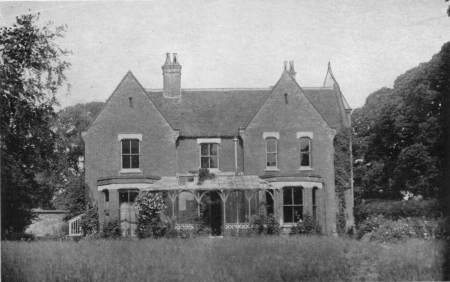
Tucked away in a remote corner of Suffolk lies a building with a sinister past – Borley Rectory. For centuries it had ghostly tales of nuns and headless horsemen in the night, but how much of it was true and how much was a hoax?

Borley Rectory, located in a remote corner of Suffolk, has long been shrouded in mystery and speculation of the paranormal kind. It even used to be described as the most haunted house in England, and that is saying something.

Rumors of hauntings in the large Gothic-style rectory have swirled around the property since its construction in 1862, but to this day no one can say for sure what lies beneath – are the stories simply urban legends, or is something even more sinister at work?

A Closer Look at the History of Borley Rectory

Borley Rectory was constructed in 1862 by Reverend Henry Bull, who served as Rector of the church of St. Mary between 1862 and 1892. 

During this time, many paranormal occurrences were reported by members of the Bull family and visitors to the property, including sightings of phantom figures, unexplained noises and strange lights in the surrounding woods. The case remains unsolved to this day, with experts and amateurs alike still trying to uncover its secrets.

The Headless Horsemen

One of the things people claimed to have seen was the headless horsemen over four decades on various occasions, pulling a phantom coach. This was also the thing the wife of Reverend Smith saw when she later would call the Daily Mirror and get an investigation going in 1929. 

The Death Coach: The “Death Coach,” a prominent figure in the folklore of Northwestern Europe, particularly in Ireland. The death coach is typically described as a black carriage, driven or led by a headless horseman known as the Dullahan. The appearance or sound of the death coach is believed to be an ominous sign, foretelling imminent death either for the observer or a close relative.

The Paranormal Activity in the Borley Rectory

Long before 1929 and the investigation that would follow, the rectory had been talked about as haunted for years. Paranormal activity was reported frequently in and around the Borley Rectory all the way back in 1863. Witnesses described mysterious footsteps, disembodied voices, and unexplainable lights in the surrounding woods. 

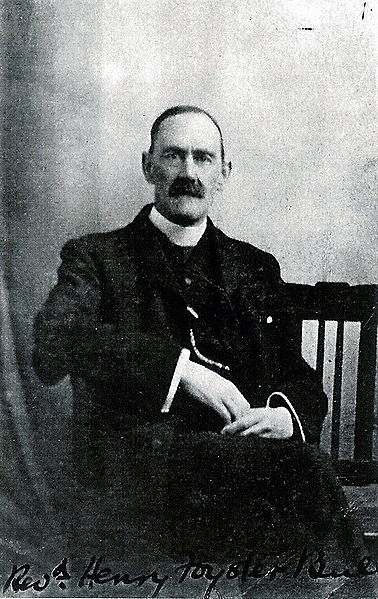
The Bull Family: The Rectory used to belong to the Bull family that told countless of ghost stories about the place over the years. This image is photograph of Reverend Henry Dawson Ellis Bull made before 1892

Others even claimed to have seen supernatural figures wandering around the rectory grounds. These reports were collected by investigators that visited the location over the years, creating an intriguing mystery that maintains its fascination today.

The Legend of the Monk and Nun

Before Reverend Smith and his wife moved into the rectory, the Bull family lived there for decades. On July the 28th, 1900, the 4 daughters of the rector claimed to have seen a ghost of a nun in the twilight, just outside of the house. They tried to talk to her, but when they got closer, the spirit seemed to just disappear. 

So called ghost historians talk about a legend from the Benedictine monastery that according to legend was built around 1362. One monk allegedly had a relationship with a nun from the convent not far from the monastery. 

Their affair was apparently discovered  and the monk was executed and the nun was bricked up in the convent walls. 

The Ghost of the Nun: One of the more enduring legends from the Borley Rectory was that it was haunted by a nun. Something that the children from the Bull family told about, as well a different mediums that held a seance at the place.

There was also once conducted a planchette seance in London about the spirits in the Rectory held by the medium Helen Glanville in 1938. She told that she had made contact with a young nun named Marie Lairre. She was a French nun that left her order in France to follow a man, a member of the Waldegrave family and owner of the Rectory in the 17th century. 

She never got that far though and she was murdered inside of the house. Her body was buried in the cellar, or perhaps even thrown in a well that wasn’t in use anymore. She had tried to write on the walls for help from the afterlife to try to get the people to find her body. 

The Skull at Borley Rectory

Fast forwarding to when Reverend Smith and his wife moved into the rectory in 1927, the wife soon started getting suspicious that something wasn’t quite right. Once she was cleaning the cupboard and came across a brown paper bag. When she peered inside, she found the skull of a young woman, and this is when things really started to take off. 

The servant bell would go off, despite not being connected, there were lights in the windows and she kept hearing footsteps and this phantom coach carried by horses at night. 

She got in contact with the Society for Psychical Research through the Daily Mirror, and they then sent a reporter writing about all the strange things that were happening in the rectory. 

Paranormal Investigation of Price

Harry Price was a celebrated investigator who visited Borley Rectory in 1929 and really made the haunted house famous for the country as his accounts were printed in the Daily Mirror. He was attempting to uncover the truth of the supernatural phenomenons. 

Harry Price

During his time there, Price recorded his experiences, noting mysterious phenomena such as cold spots in certain areas of the rectory and inexplicable noises. There were also things like a vase and other objects being thrown and mysterious spirit messages that were being tapped out on the mirror.

According to Mrs Smith, all of these haunted phenomena stopped as soon as Harry Price left the rectory, and she suspected it was him that was behind all the hauntings. 

When Price published the study by the Society for Psychical Research, he rejected most of the rumors that people had reported on, however, most ghost historians discredit this report and books and TV are continuing to be intrigued by the story of the Borley Rectory.

The Exorcisms and Poltergeist Activity

The Smiths left in 1929 and Reverend Foyster moved into the rectory with his wife, Marianne and their adopted daughter, Adelaide. 

Reverend Foyster wrote in 1930, a detailed report to Harry Price about the strange things they had experienced while living there. The bell ringing the Smiths had heard continued, the windows shattered and there were stones and bottles thrown by no one. 

Marianne Foyster even reported to her husband that something had even thrown her out from her bed. 

Reverend Foyster tried twice to repel the hauntings by exorcisms, but it didn’t go so well. In one of the exorcisms he was even hit by a stone in the shoulder. 

After they moved out from the rectory in 1935, people speculated on what was going on in the house. Most blamed Marianne to be the mastermind behind the hauntings, and even though she blamed her husband and psychic researchers that came by to investigate, she later came forward with shocking news. 

She had an affair with one of their lodgers called Frank Pearless, and she had used the paranormal rumors to cover up her lies and deceits. She also had a habit of making her friends fake hauntings to prank her husband. But everything? Marianne claimed not, and said that she really did believe some of the hauntings had been something real, although most could have been the wind. 

The Borley Rectory Report

Harry Price couldn’t let the Borley Rectory be and rented the place in 1937. He let 48 observers stay in the house for longer periods of time and interviewed them about their stay there. 

In 1937, Price published his findings from Borley Rectory in a report which has since become known as ‘The Borley Rectory Report’. In it, he concluded that the rectory was indeed haunted by several distinct entities and spirits. 

Despite decades of debate, no one has been able to conclusively explain or disprove Price Harry’s findings. While some people suggest hoaxes or natural occurrences are behind the phenomena experienced at Borley Rectory, others remain adamant that its walls still echo with supernatural activity – mysteries we may never be able to explain.

The Fire

During the planchette seance in 1938, there was a second spirit that turned. The spirit identified himself as Sunex Amures, and claimed he would set fire to the rectory that year. He also said that the bones of a murdered person would be revealed then. 

There was no fire in 1938, but in 1939, the new owner was unpacking boxes and knocked over an oil lamp. The fire spread quickly and the house was severely damaged. After they investigated, they concluded that the fire seemed to have been started on purpose. 

After they did a quick search in the cellar of the burnt down house, they discovered two ones, something Price thought to have been the bones of a young woman. 

Burnt Down: The Borley Rectory after the fire.

Borley Rectory – a Hoax?

Debate continues over the precise source of the paranormal disturbances experienced at Borley Rectory. While some suggest hoaxes or natural occurrences are behind the phenomena experienced, others remain adamant that its walls still echo with supernatural activity – mysteries we may never be able to explain. 

Many investigators have revisited Borley Rectory since Harry Price’s initial investigation and it is still considered to be a site of major paranormal importance today. Even if Price himself has been thought to have faked many of the phenomenon when he conducted his investigation. Whether it was a hoax or not remains to be seen, but it remains an enduring mystery in the world of ghost hunting.

In 1938 it was confirmed that the legend of the monk and the nun bricked up in the convent had no basis in facts and now many speculate that it was the children in the rectory that made the story up for fun. 

The skull Mrs. Smith supposedly was never accounted for, and the bones they found in the cellar was also debated. The parish refused to have a ceremony because they believed that the bones they had found belonged to a pig. 

In 1944 it was demolished and the land divided before getting new buildings built. 

More like this

Newest Posts

References:

https://en.wikipedia.org/wiki/Borley_Rectory

The Mysterious Ghosts Newton House by Dinefwr Castle

Advertisements

Delve deep into the mysteries of the castle of Dinefwr and discover its haunted ghosts. The castle grounds are said to be haunted by both a loyal butler as well as a murdered lady in white that tried to escape a loveless marriage.

Tucked away in the rolling Welsh countryside, Dinefwr Castle holds a dark secret—it is haunted by ghosts that have roamed its halls for centuries.

The castle, also known as Old Dynevor Castle is now in ruins as it overlooks the River Towy close to Llandeilo in Wales. 

Llandeilo Town in Wales

Dinefwr is situated in the small town of Llandeilo in Wales. This area has always had a reputation for mythical tales, with local folklore claiming that Dinefwr Castle was once inhabited by mysterious ghosts. 

The stories date back hundreds of years and each generation adds more details to the spooky tales that have become part of the culture. For example, some people believe that spirits haunt the castle grounds and are said to create flickering lights or howling noises!

The History of Dinefwr Castle

Dinefwr Castle is steeped in history and mystery and dates back to the 12th century and was the chief seat of the Dinefwr dynasty of the Kingdom of Deheubarth in south Wales. 

Built by Rhys ap Gruffydd of Deheubarth, it gained status as an important fortress as tensions among Welsh kingdoms rose. 

His reign saw a rare period of peace and stability that led to a flowering of Welsh culture, music and poetry. The Dinefwr dynasty was mostly warlord led and constantly invaded.

Sadly, it was not to last. After Rhys’s death, conflicts over succession led to turbulent years as the Welsh princes fought amongst themselves and against the English. Dinefwr eventually fell into English control in 1287 and remained there for centuries, despite Owain Glyndŵr’s attempt to wrest it back during his uprising of 1403.

Its location on a hill overlooking the Towy Valley was strategic and also held spiritual significance to local residents.  Throughout its long history, rumors of spectral residents began to take root and tales of spooky sightings have been told ever since.

The Haunting Grounds in Newton House

When talking about the hauntings around this place, many people make the mistake to think that the ghosts are roaming around the  ancient ruins of the castle, but this is not entirely true. The ghosts that are now famous are supposedly haunting the country house called Newton House on the castle grounds in Dinefwr Park that was built in 1660. 

Among the ghosts said to be haunting the grounds are Walter the Butler who worked in the house and is now haunting the servant’s basement. People have smelled his tobacco smoke in the room as well as hearing muffled voices as the lights are flickering on and off. 

Ghosts of Dinefwr Castle

But perhaps best known is the tragic story about the White Lady that supposedly haunts the grounds as well. This is also supposed to happen in the old country house. 

The White Lady of Dinefwr Castle is said to be the ghost of Lady Elinor Cavendish and her horrible end. There are even reports that people have visited and have felt as if their throats are being squeezed, the same way that she died. 

There are tales about the ghost of a young girl, now remembered as the White Lady of Dinefwr Castle and according to the rumours, people have seen the ghost of a woman disappearing into the cupboard. 

The story goes that Lady Elinor Cavendish was forced into an unwanted marriage in the 18th century and tried to run away from the loveless marriage and her brutal husband to be. But she was not allowed to slip out of his hands and her husband followed her and when he caught up to her, he strangled her to death. 

Lady Elinor Cavendish now haunts the grounds, the country house of Newton House and the ruins of DInefwr Castle, still trying to escape the life she didn’t want for herself.

More like this

Newest Posts

References:

Dinefwr Castle | Cadw

Spooky stories and legends of ghosts and more this Hallowe’en | South Wales Guardian 

Newton House, Llandeilo – Wikipedia